Anomalous Access
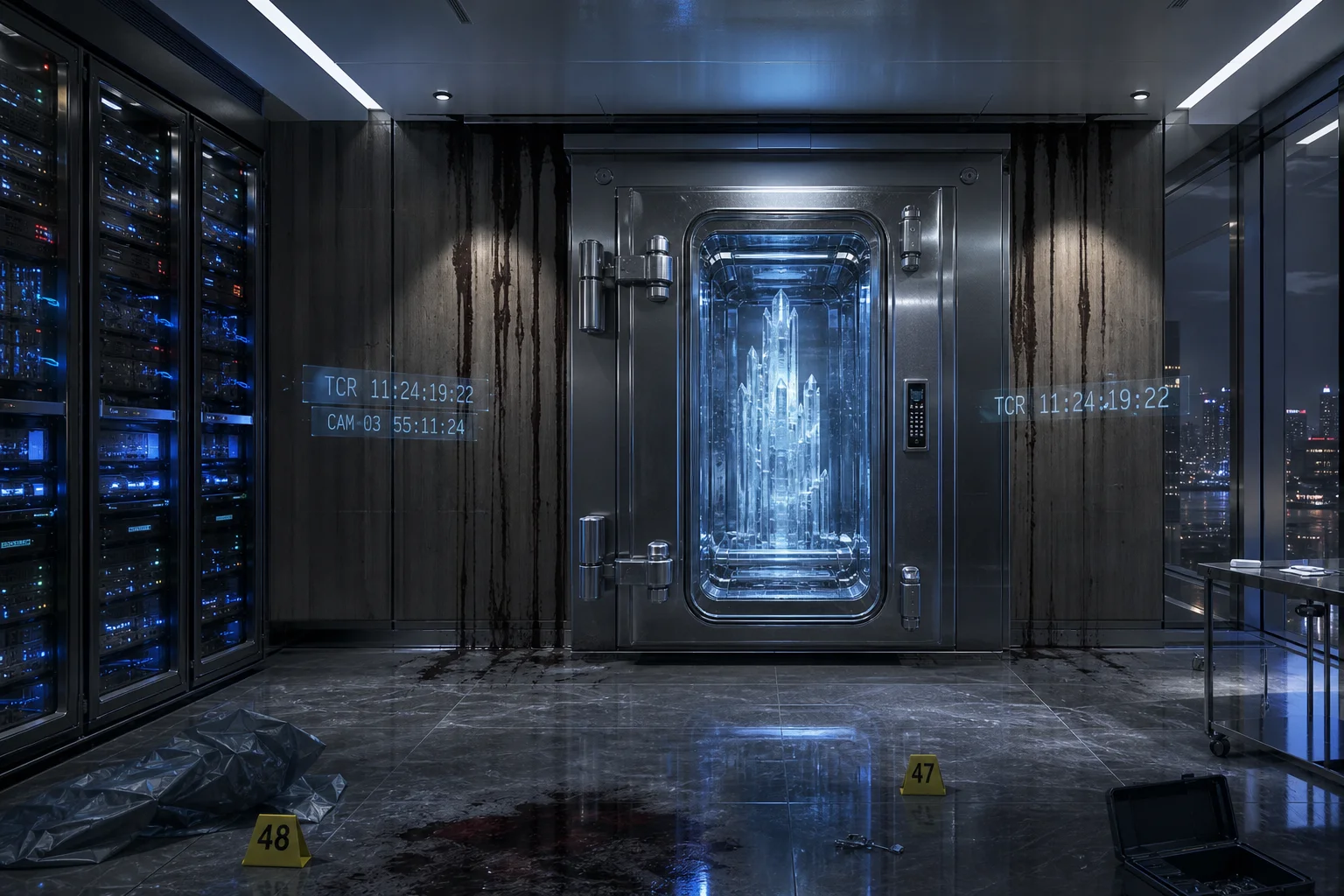
A forensic data-retrieval specialist is dispatched to a corporate server vault following the death of a netrunner during an unsanched data extraction. The investigation begins with corrupted network logs, conflicting biometric access records, and a series of unexplained physical traces within the secure facility.
 Initial Crime Scene
The sterile, ozone-tinged air of the server vault hits first—a dry, electrical scent cutting through the filtered atmosphere. A constant, low hum from cooling fans forms the acoustic baseline, punctuated only by the occasional, distant click of a relay. Directly ahead, a ring of active monitoring terminals casts a cold, white light onto a polished composite floor that reflects the endless rows of server racks. To the left, a network diagnostic screen displays a traffic log with a visible, jagged gap in its timestamp sequence.
 Crime Scene Environment
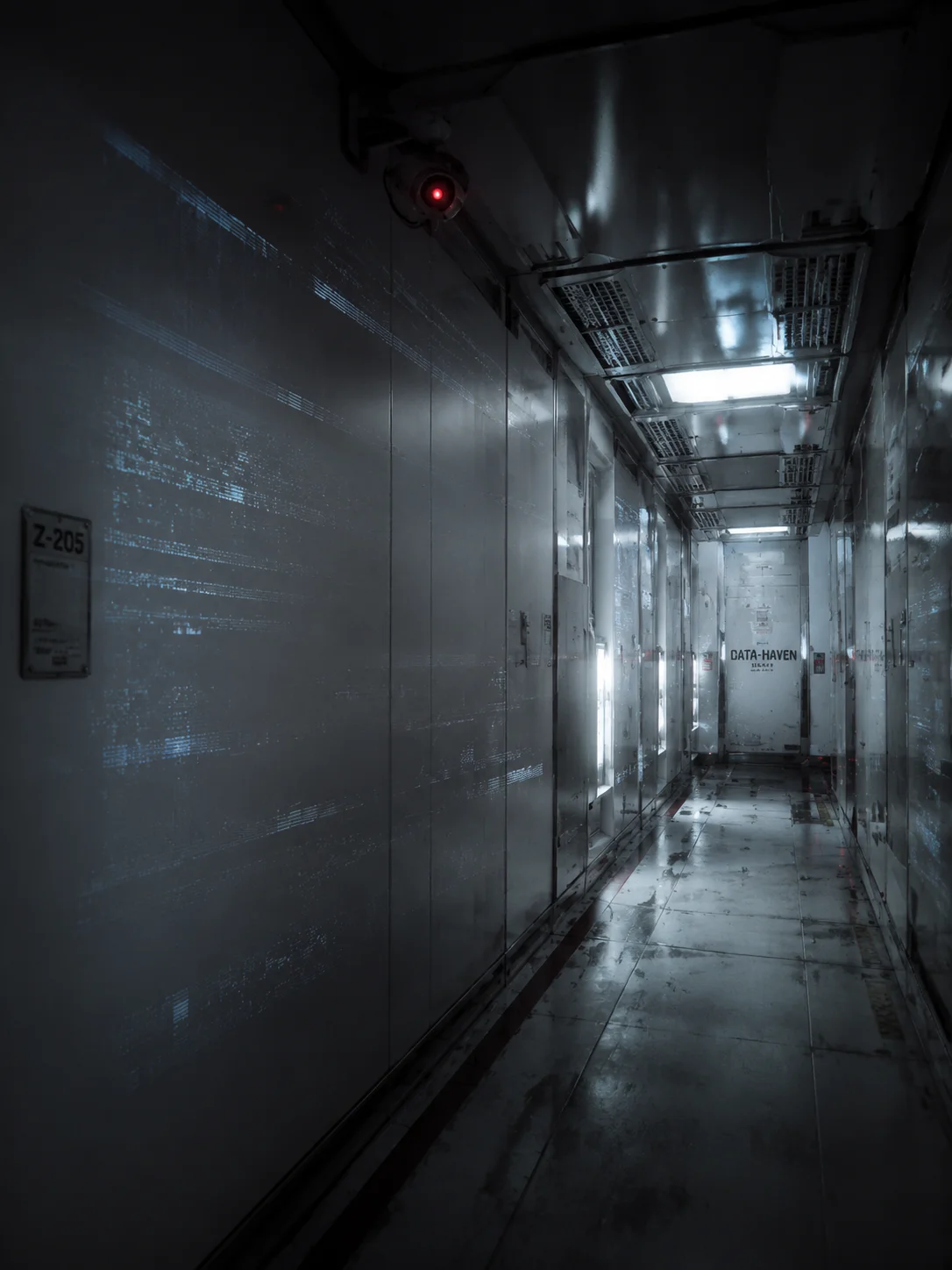
Lighting is uniform, flat, and shadowless from overhead LED panels, creating a clinical and exposed visual field. The humidity is low and controlled, maintaining a cool, dry ambient temperature that feels refrigerated. Acoustic density is characterized by a persistent, medium-pitched hum from server cooling systems and a low, ambient drone from ventilation, creating a closed, isolated sound envelope.
 Investigation Constraints
Cybernetic neural interfaces, on-site corporate data terminals, encrypted personal communicators, biometric access scanners, network packet sniffers, forensic data-recovery suites, and physical security nodes with mechanical override ports. No true AI, only algorithmic filters and predictive models.
✦ Related Cases ✦