Data-Shard Extraction
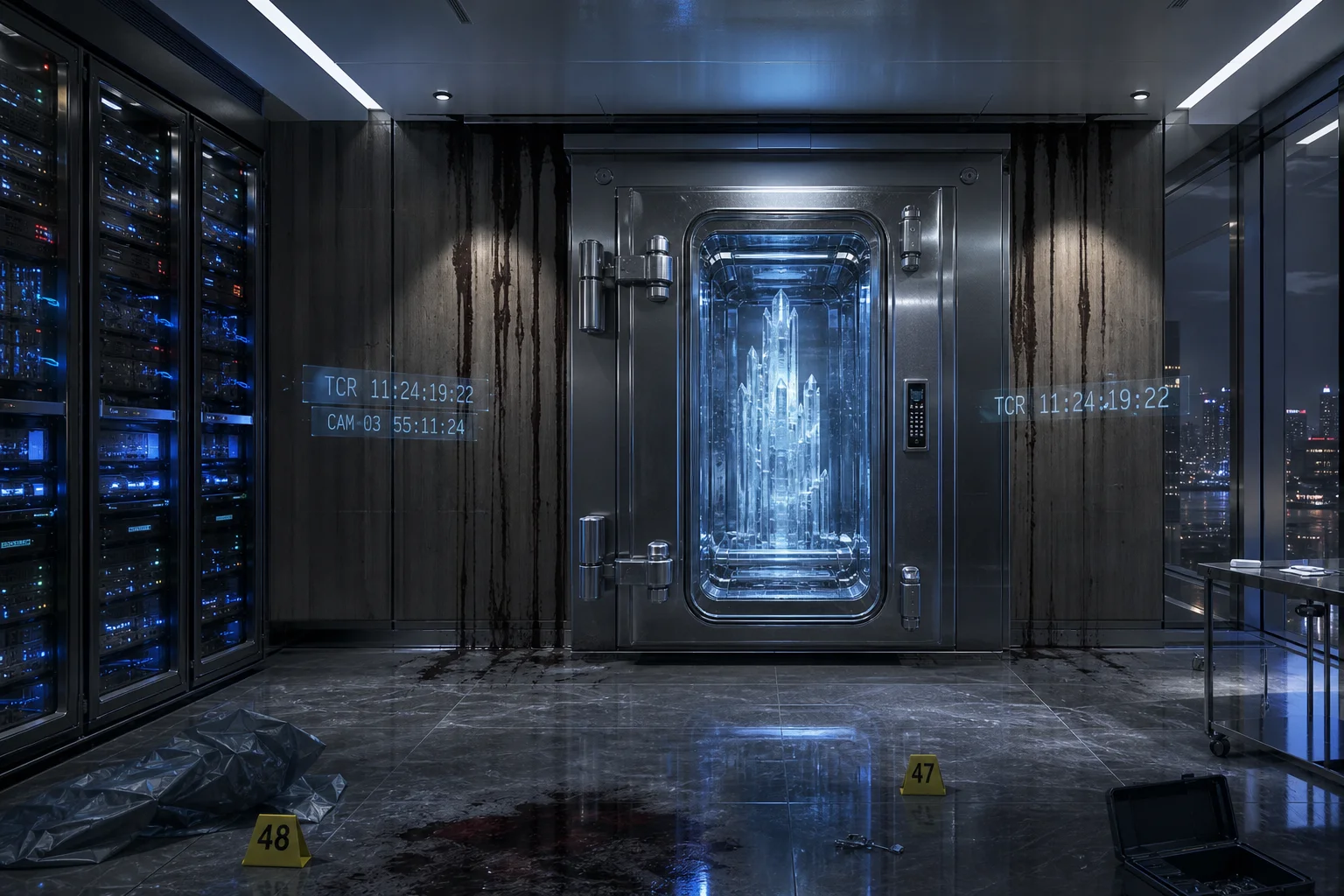
In the neon-lit sublevels of Neo-Veridia, the death of a memory dealer prompts a forensic investigation of his parlor. Multiple corporate assets present have personal and professional secrets, and their actions have left a complex layering of physical and digital traces.
 Initial Crime Scene
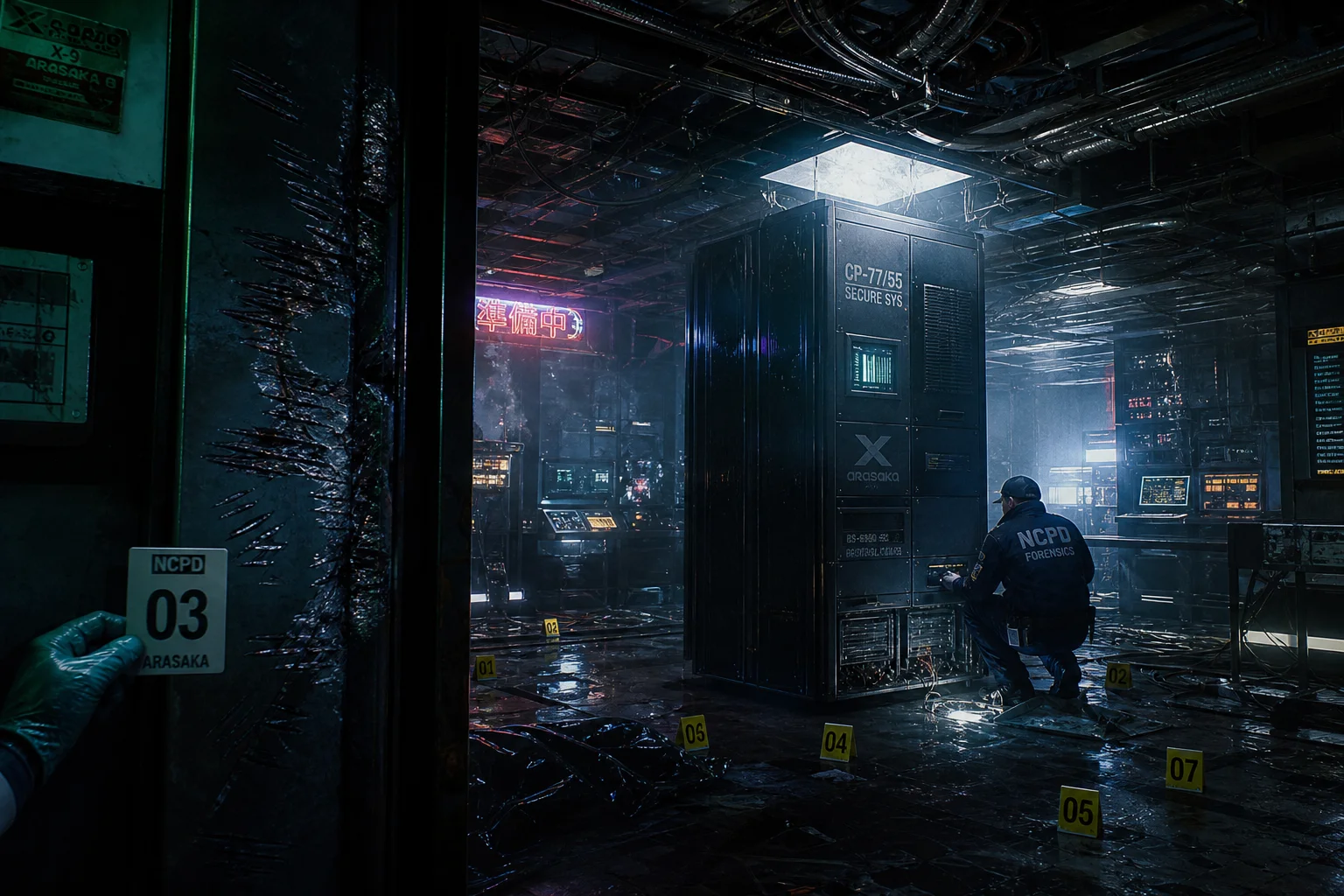
The threshold is crossed. The first smell is ozone, sharp and electric, mingling with heated polymer from humming server racks. A low, persistent crackle of electromagnetic static hangs in the air from improperly shielded data caches. Visual markers define the space: deep scuff marks of bio-port residue on the doorframe, the dull sheen of a large polymer-coated server monolith under harsh lighting, and a chaotic ceiling of snaking data conduits like metallic vines.
 Crime Scene Environment
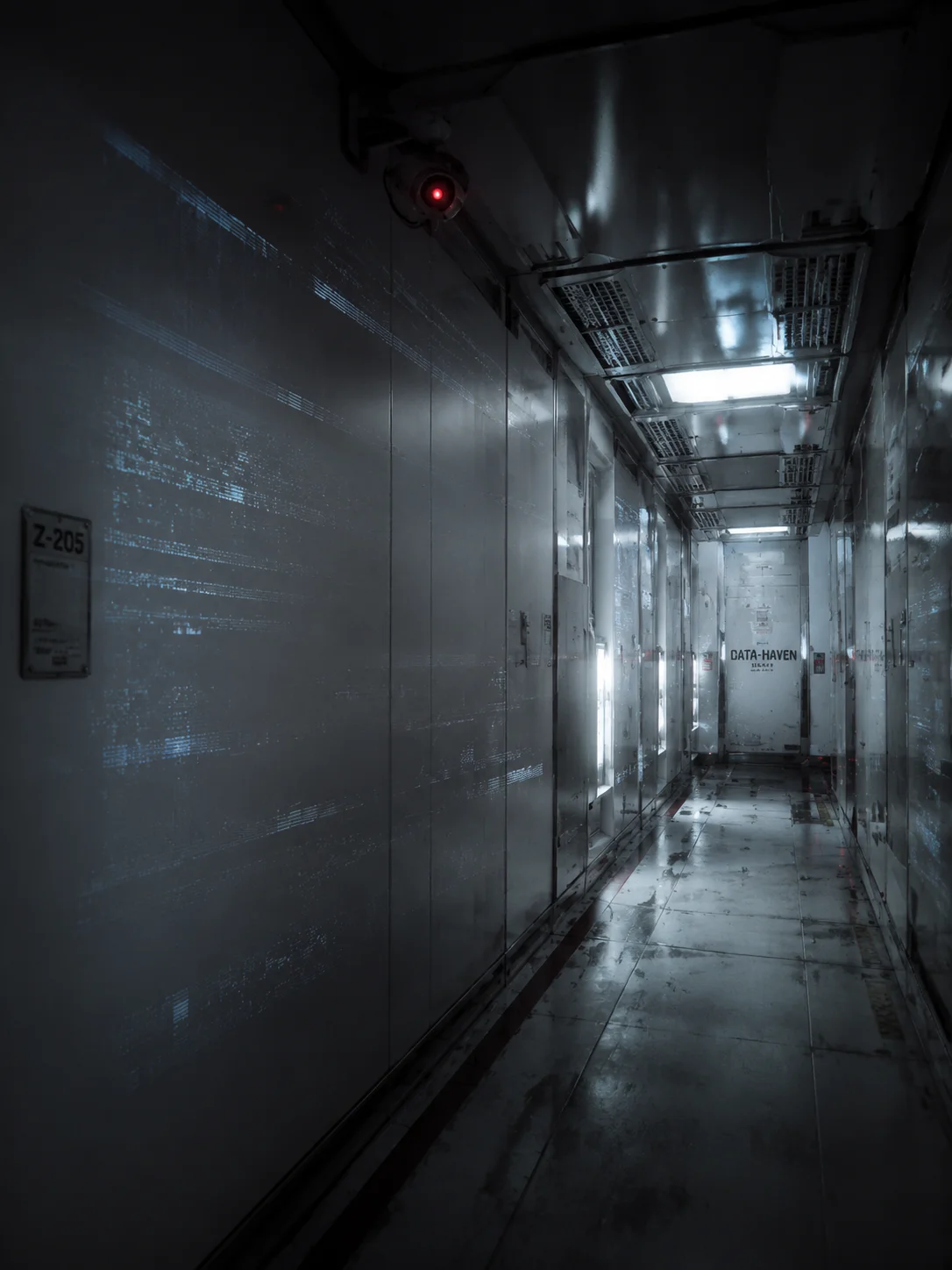
The lighting is a mix of cold, overhead fluorescent panels and the flickering, dim glow from console displays and exit signs. Humidity is low, creating a dry, static-charged atmosphere. The acoustic density is a layered hum: the constant, low-frequency vibration of server cooling fans, the periodic click-whir of analog punch-card machinery in the archive, and the distant, muffled thump of the city outside the sound-proofed walls.
 Investigation Constraints
Bio-port interfaces for memory upload/download, encrypted local data shards, voice-locked security panels, biometric scanners (retinal, fingerprint, neural-pattern), network-less data couriers, corporate-grade forensic sniffers for localized signal traffic, limited cybernetic implants (ocular overlays, neural buffers), analog backup systems (punch-card logs, magnetic tape archives).
✦ Related Cases ✦