Sycamore Hill's Silent Clock
An independent investigator is summoned to a formal residence where a prominent local figure has been discovered deceased in a locked parlor. The initial inquiry reveals discrepancies in stated timelines and the mechanical state of the town's central clock tower. A web of personal testimonies and physical traces awaits analysis to establish the factual sequence of the evening.
 Initial Crime Scene
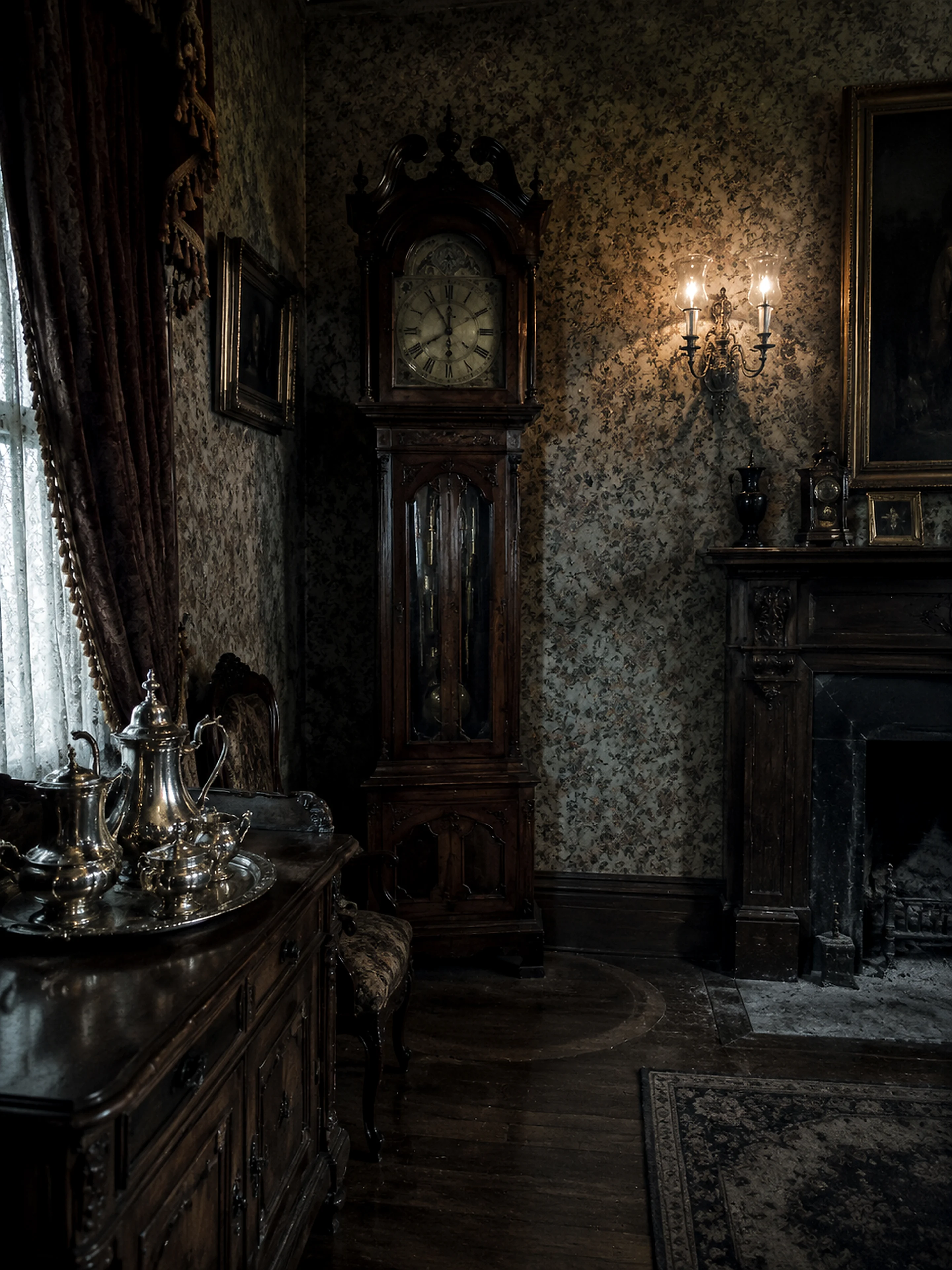
The distinct scent of cold fireplace ash and beeswax polish hangs in the still air. Your gaze falls on three points: the polished silver tea service gleaming on a sideboard, the floral wallpaper absorbing the hissing gaslight, and the faint circle of less-dusted wood surrounding the base of the ornate parlor clock. The only sound is the faint, precise tick of that same clock, marking a frozen moment.
 Crime Scene Environment
The environment is one of forced domesticity. Lighting is provided by gas-fired wall sconces, casting long, wavering shadows. The air is cool, carrying the damp chill of a locked room, with a humidity that clings to the floral wallpaper and wooden surfaces. Acoustic density is low, dominated by the mechanical sounds of a clock system and the investigator's own movements.
 Investigation Constraints
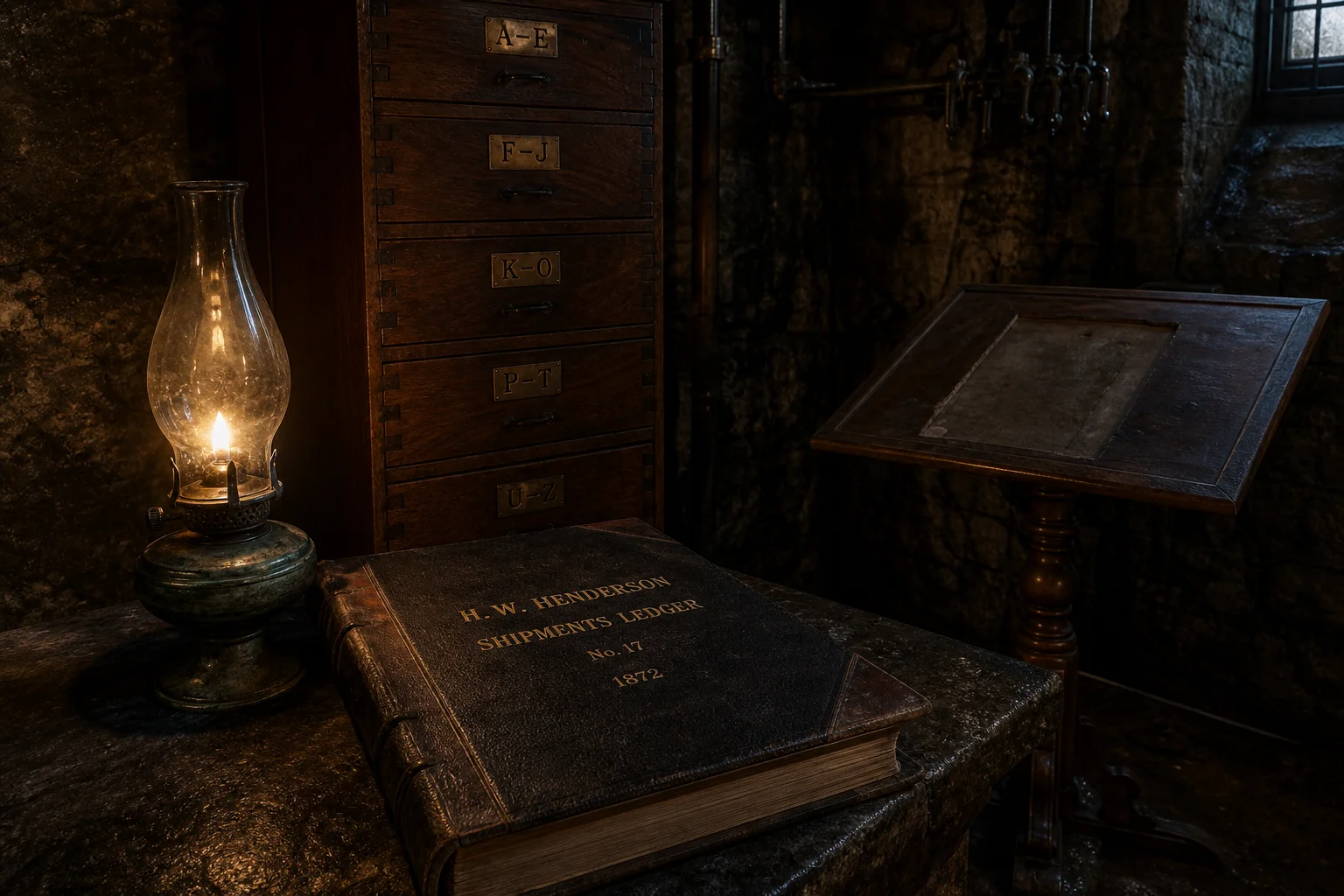
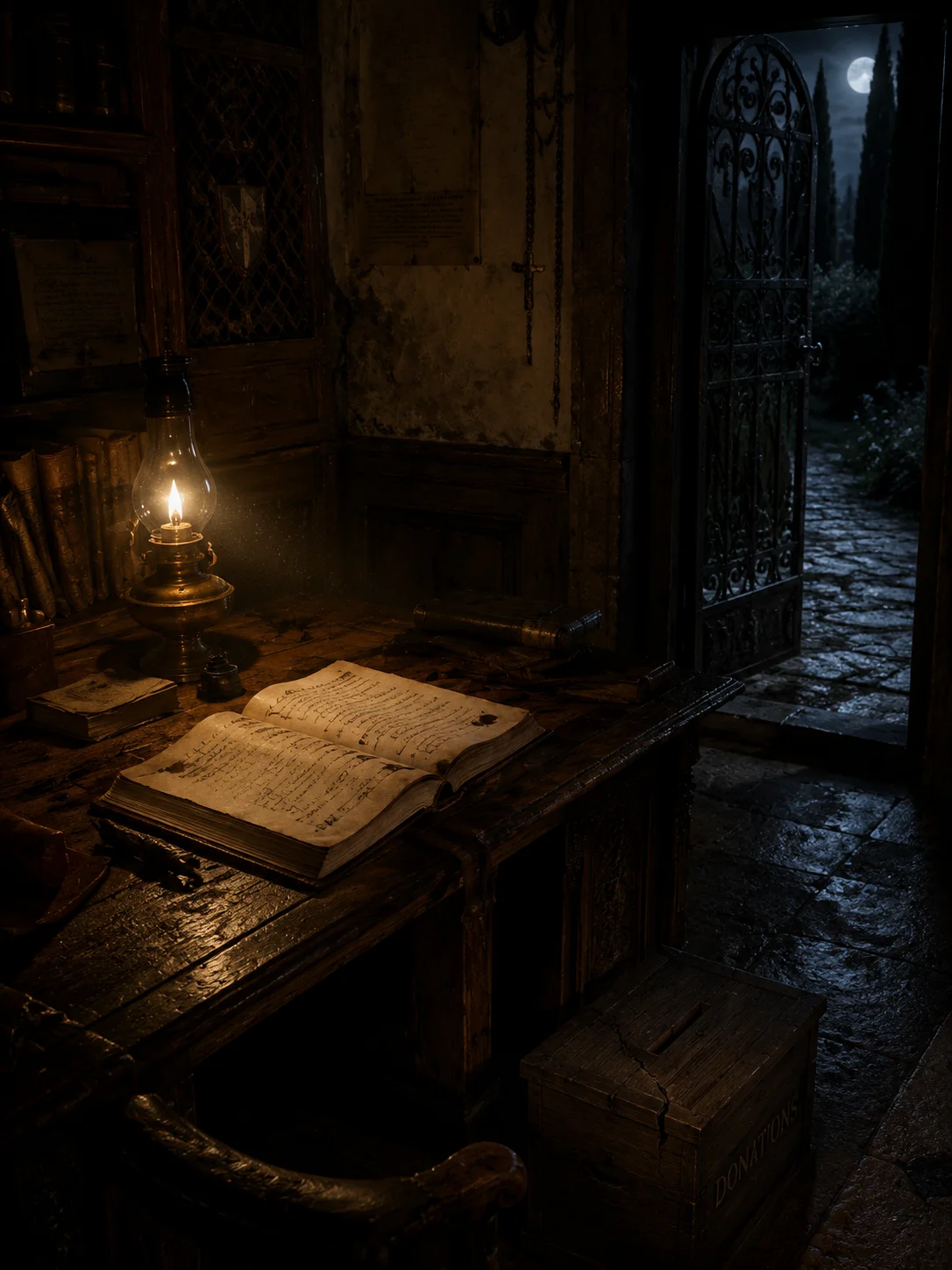
Manual rotary telephones, mechanical clock systems with timed mechanisms, physical locked boxes with key or combination dials, steam-powered or hand-cranked fire brigade equipment, handwritten ledger books, landline party-lines for gossip, gas-fired parlor lighting, manually operated electrical switches for interior lighting.
✦ Related Cases ✦