Tantalus Protocol
An independent forensic specialist is dispatched to the orbital station 'Tantalus' following the accidental death of Systems Engineer Aris Thorne during a resonance cascade event. The investigation must untangle a web of career-saving data deletions and corporate liability protocols to reconstruct the final hours.
 Initial Crime Scene
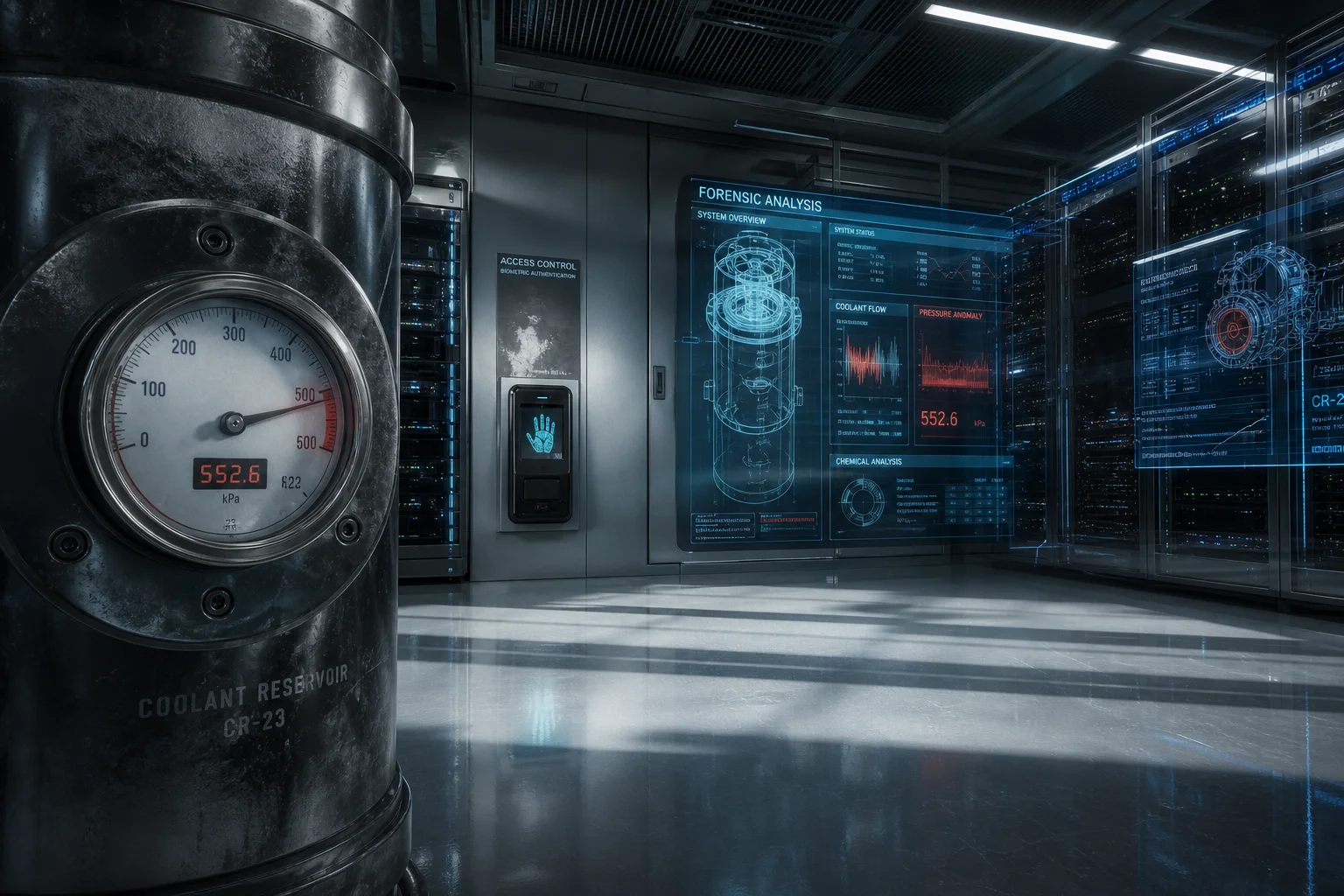
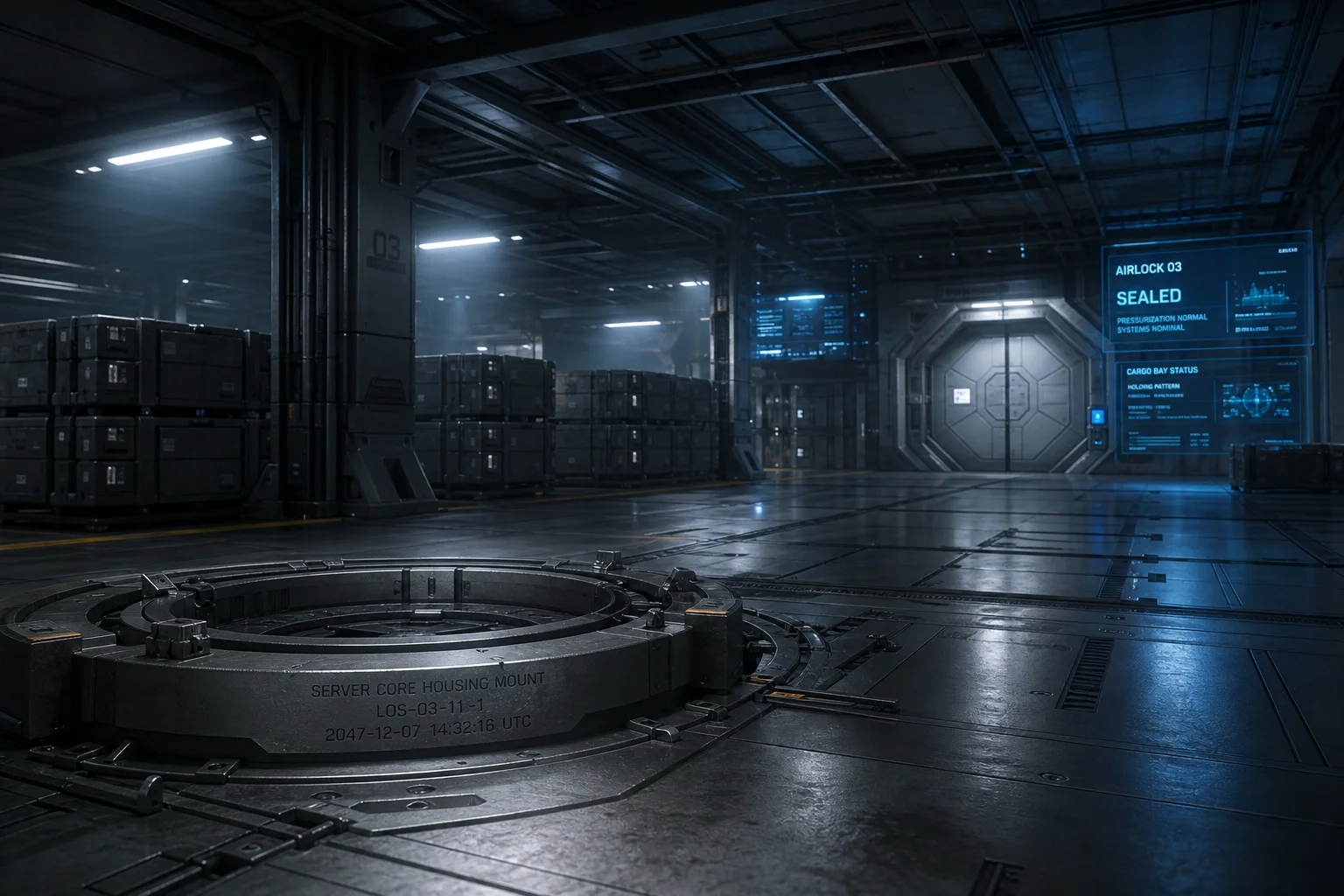
The sterile, metallic tang of recycled air hits your senses first, sharp and cold. A low, pervasive hum vibrates through the deck plating from the primary reactor core. Flickering hardlight status displays above the sealed airlock casts shifting blue light across rows of powered-down cargo containers. The airlock door slides open to Cargo Bay 3, the sound swallowed by the immense, echoing space. A precise, timestamped etching on a server core housing mount catches your eye.
 Crime Scene Environment
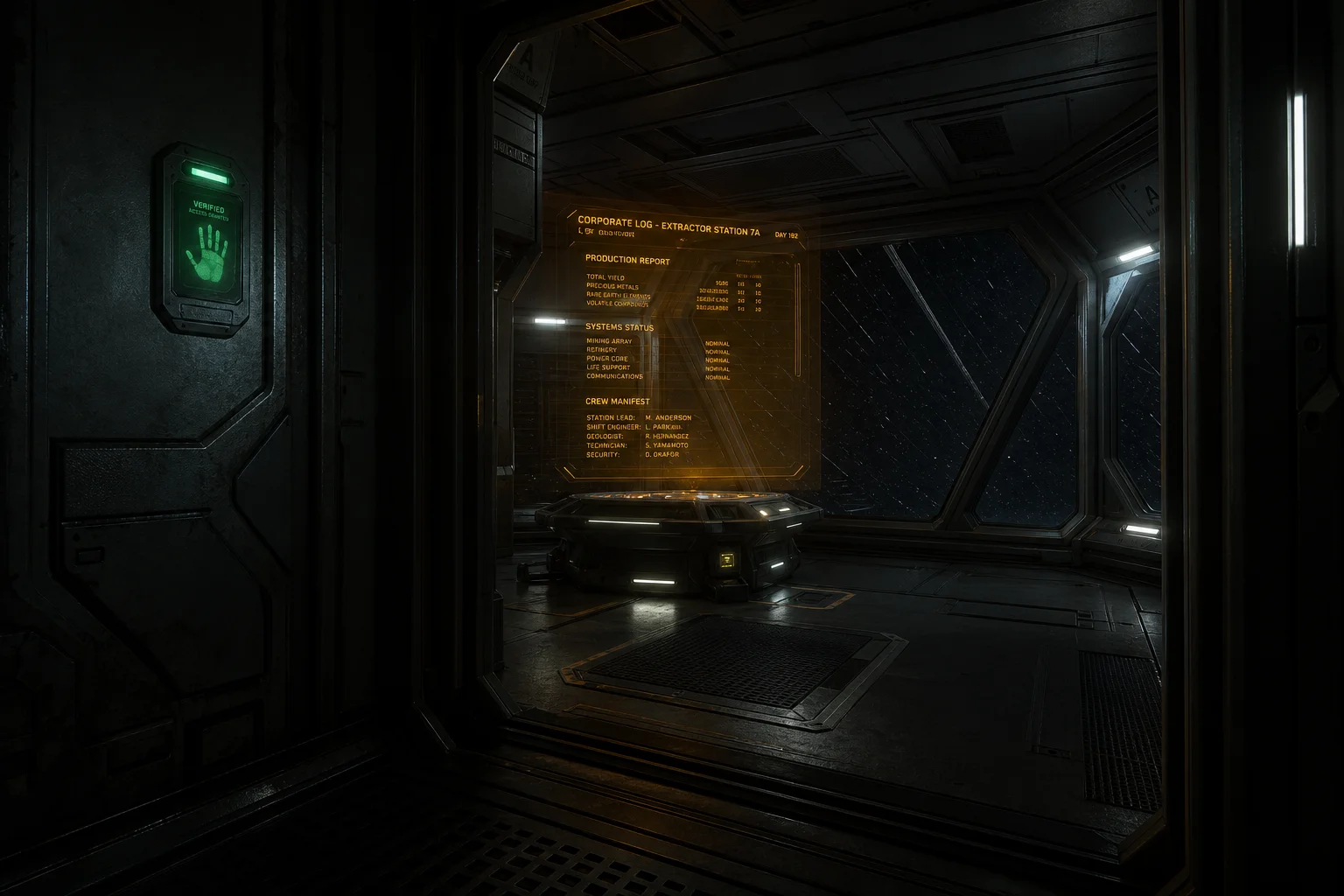
The station operates under a cold, even lighting profile with harsh overhead fluorescents. Air is continuously recycled, maintaining a sterile, dry humidity and a low temperature. Acoustic density is defined by the constant, subsonic vibration of the reactor core and the soft clicks of protocol-driven console operations. Data transfer requires physical cables or secure terminal uplinks.
 Investigation Constraints
Corporate-issued neural-interface datalinks (hardwired, requiring physical terminals for deep access), encrypted biometric-locked server cores, automated forensic drones (non-AI, pattern-recording only), rigid protocol logs for all airlock, cargo bay, and reactor operations, no wireless data transfer (all updates require physical cable or secure terminal uplink).
✦ Related Cases ✦