The Anomaly in the Stack
A systems audit at a corporate data processing mega-structure is initiated following an automated flag on a disposal drone's mass spectrometry readout. The investigation navigates layered access logs, testimony from data-labor class workers, and the physical realities of the facility's infrastructure wing.
 Initial Crime Scene
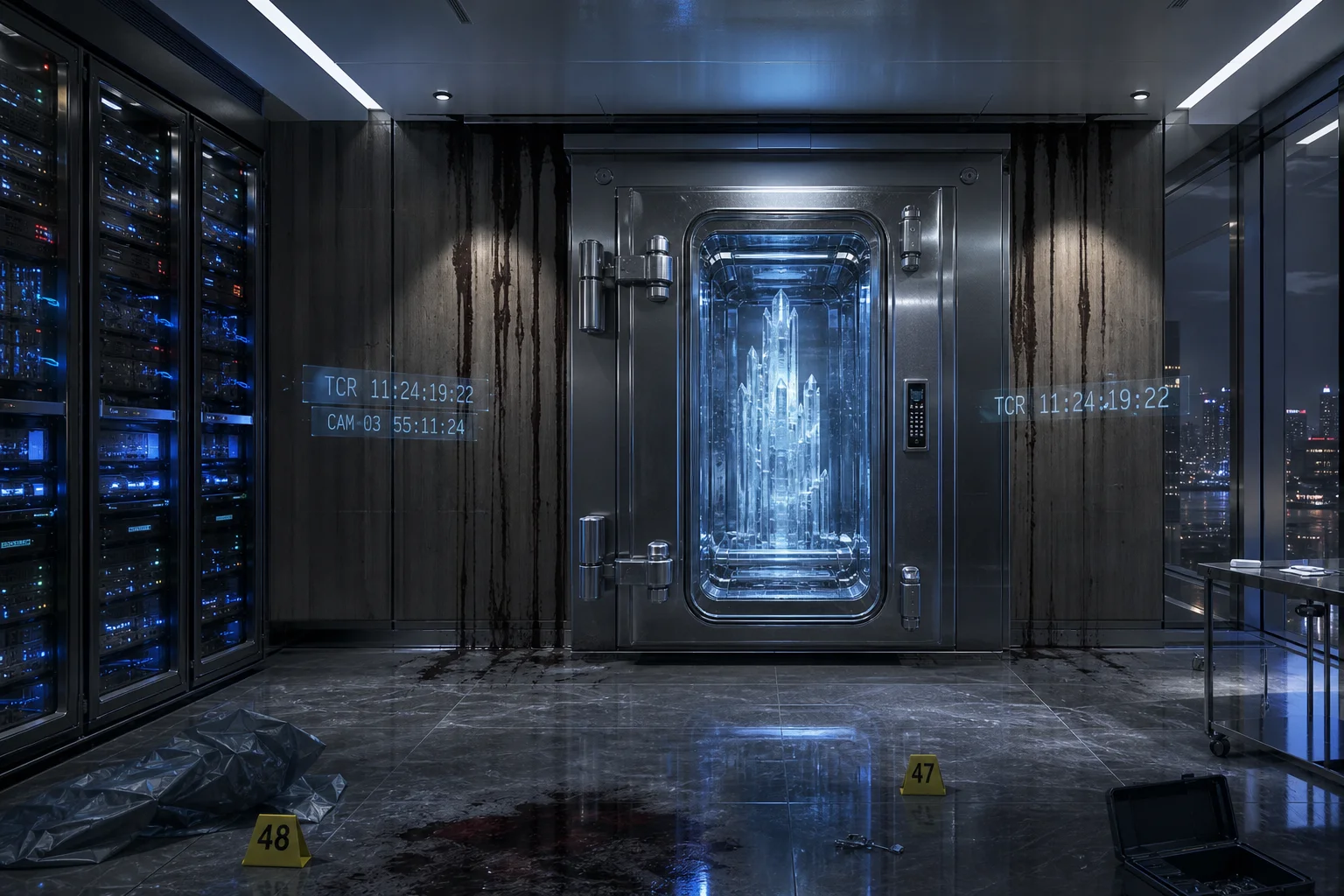
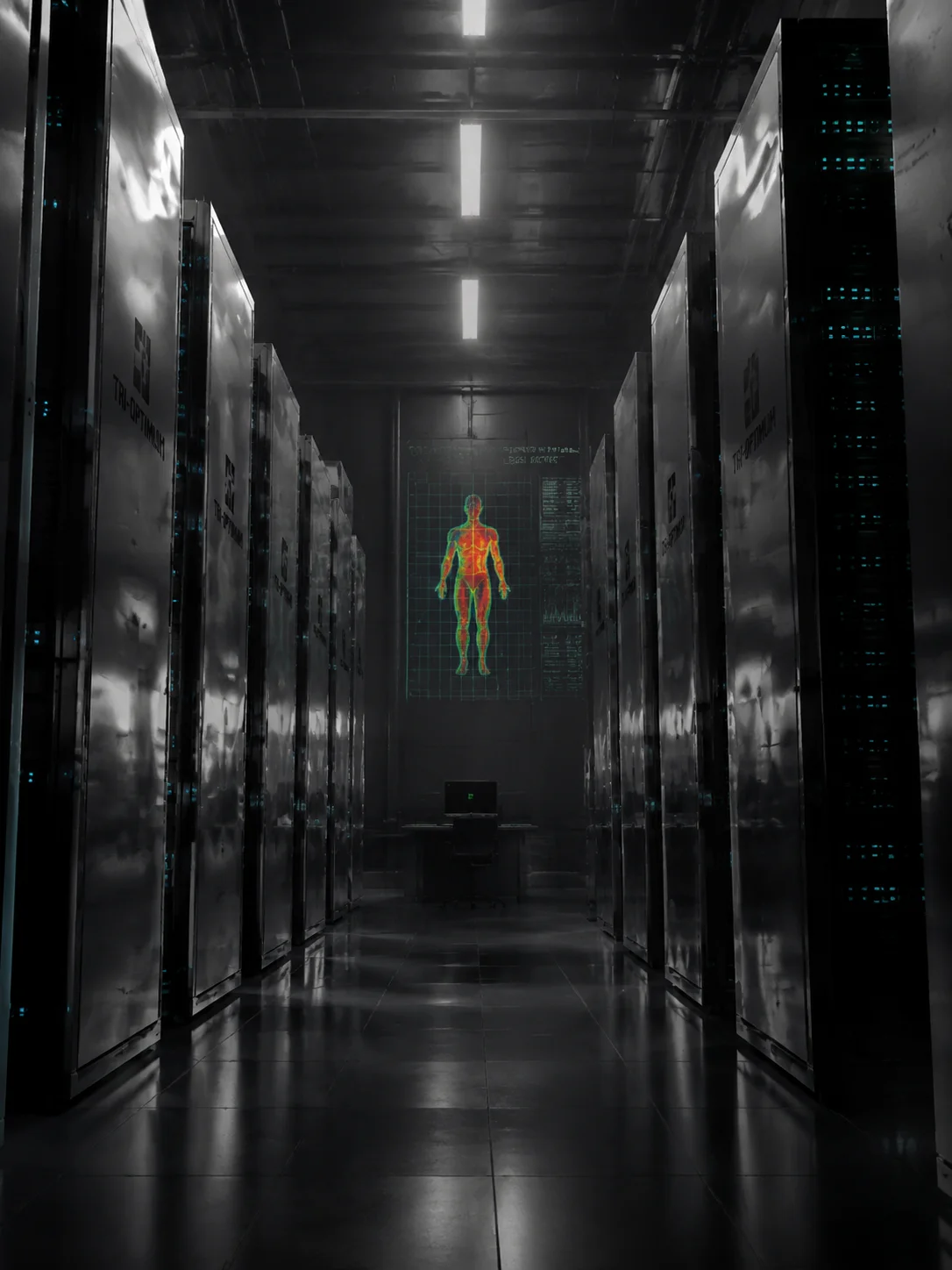
The first breath is the sterile, recycled oxygen of the secure server room, underlaid with the faint ozone tang of active processors. A low, constant hum vibrates through the floor—the drone of a thousand neural processors. Your gaze fixes on three points: the monolithic, chromium-plated server racks stretching into gloom, the single, blinking cursor on the auditor's terminal across the room, and the ghostly, thermal silhouette of a human figure frozen on the wall-mounted biometric heat map projector.
 Crime Scene Environment
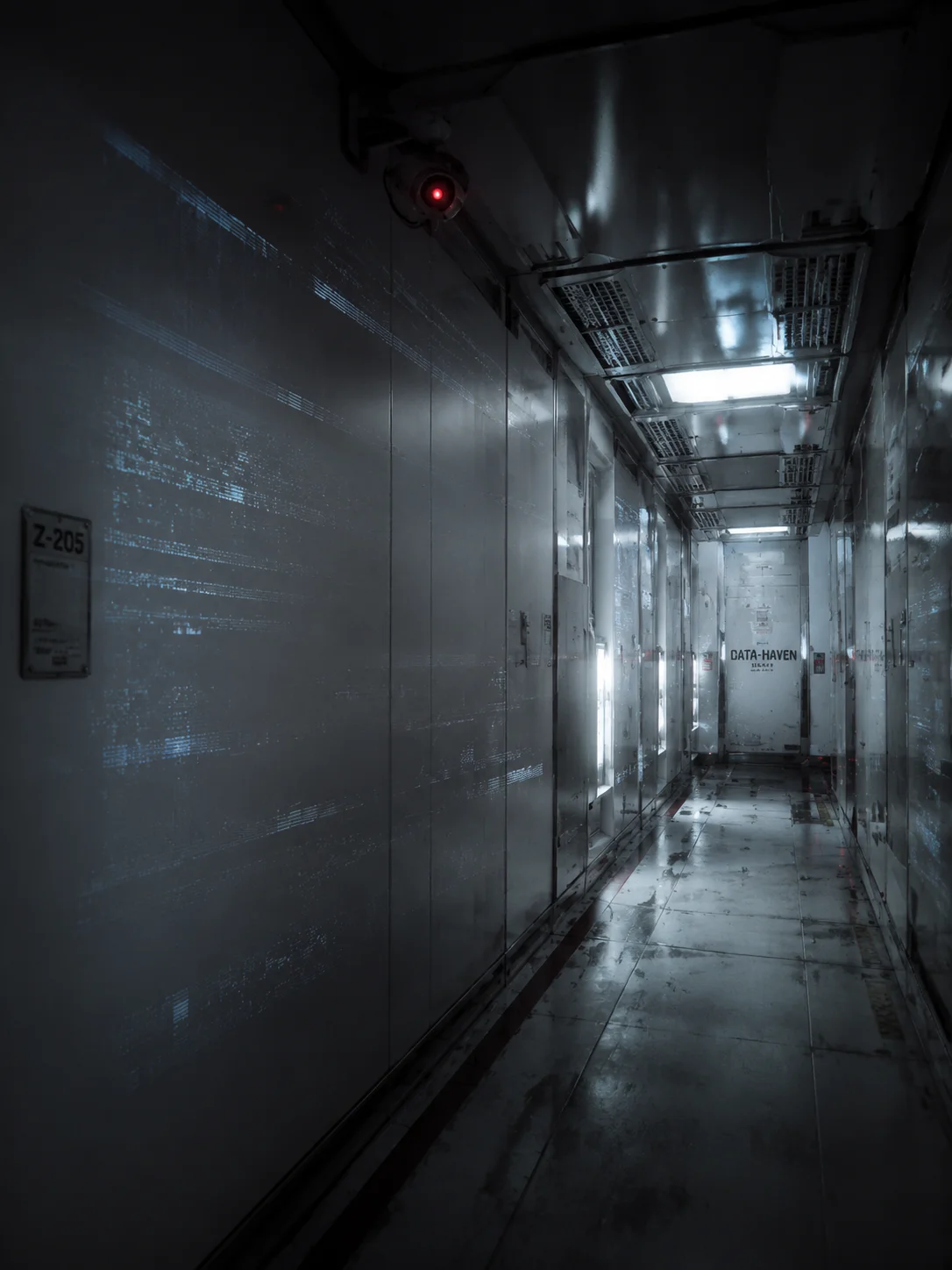
The lighting is a corporate-clean, sterile white from overhead strips, casting long, glitching shadows in peripheral zones. The air is chilled, maintaining a low humidity to protect server integrity, creating a dry, static-choked atmosphere. Acoustic density is high, a layered drone of processor hums, distant ventilation, and the occasional, soft ping of a data-stream, all enveloped in a pervasive, low-frequency vibration.
 Investigation Constraints
Integrated neural processors for data-labor class workers. Corporate-grade biometric access locks on all physical and data servers. Quantum-encrypted internal comms (Q-Net). Disposal drones with geofenced flight paths and real-time mass spectrometry sensors. Legacy 'hardline' data ports in secure server rooms. Chemical stimulant 'Focus' patches for productivity. Personal data-banks (PDBs) that store biometric and transaction logs.
✦ Related Cases ✦