The Ashworth Ledger
A late evening in a Prohibition-era speakeasy ends with the discovery of a bootlegger's body in a private back room. His personal ledger is missing. The investigation unfolds within the walls of a high-society household and its associated commercial establishment, navigating whispers of reputation, unsavory investments, and the careful preservation of social standing.
 Initial Crime Scene
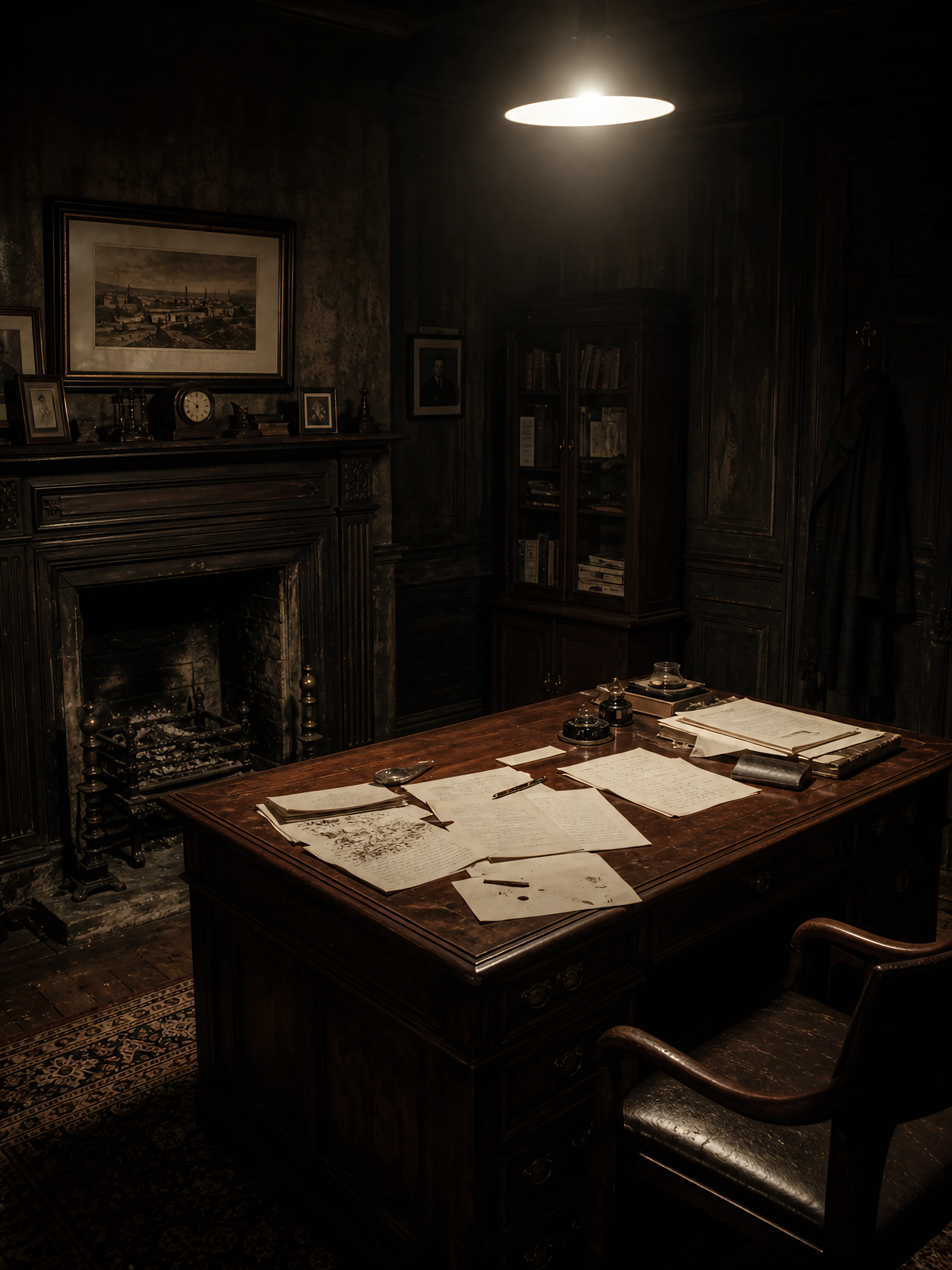
The air hits with the damp, musty smell of a hidden cellar, a stark contrast to the arid stillness of the private study above. A faint, rhythmic ticking from an analog clock on the mantelpiece underscores the silence. Visual markers include the faded elegance of dark wood paneling, the texture of ink on fine bond stock spread across a mahogany desk, and the residual warmth of a long-extinguished fireplace grate.
 Crime Scene Environment
The initial sandbox is a study of faded elegance. Lighting is a single, harsh overhead bulb casting long shadows. The humidity is arid and sealed, with the temperature holding a residual, stuffy warmth. Acoustic density is low, dominated by the metronomic tick of a clock and the occasional, distant creak of floorboards.
 Investigation Constraints
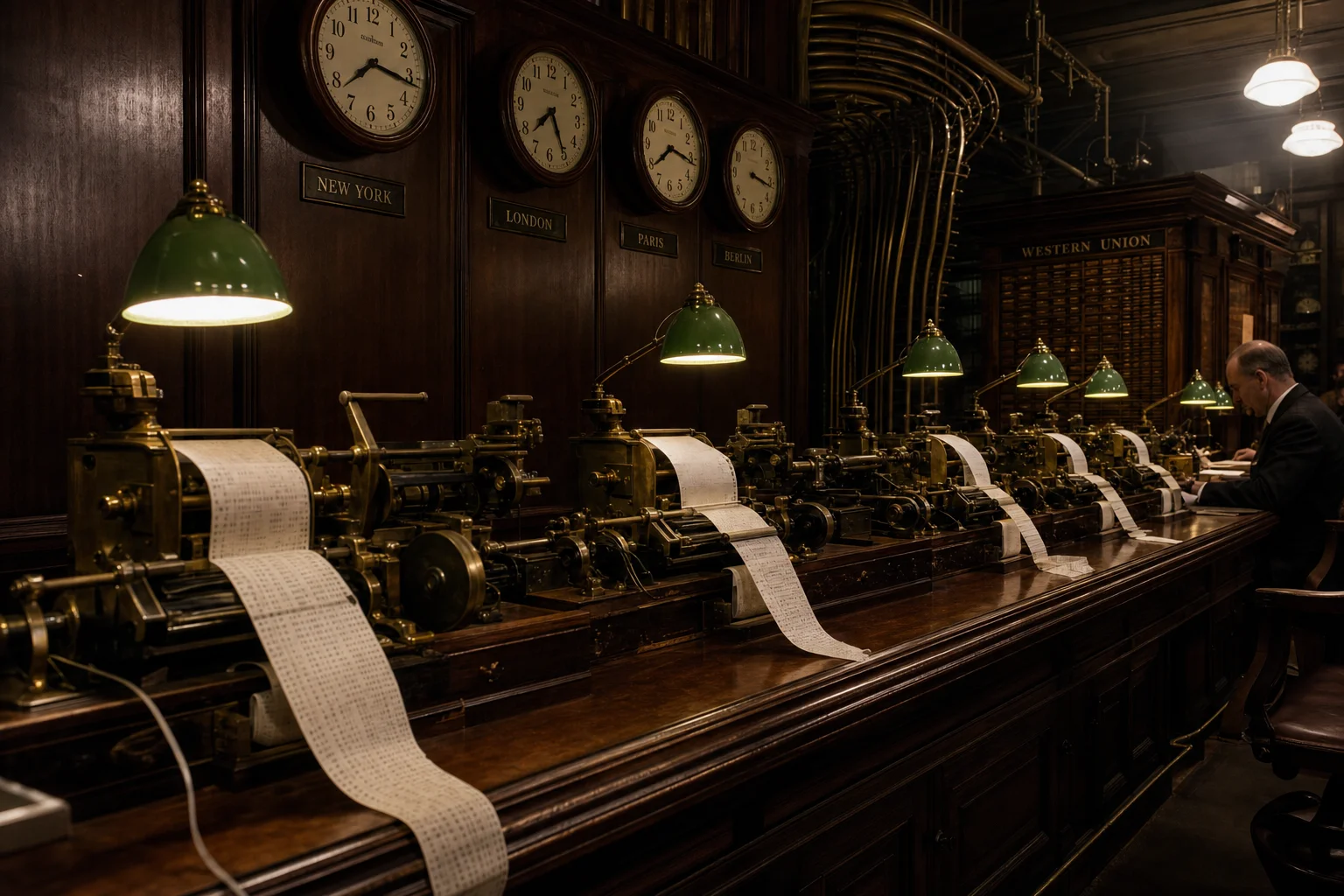
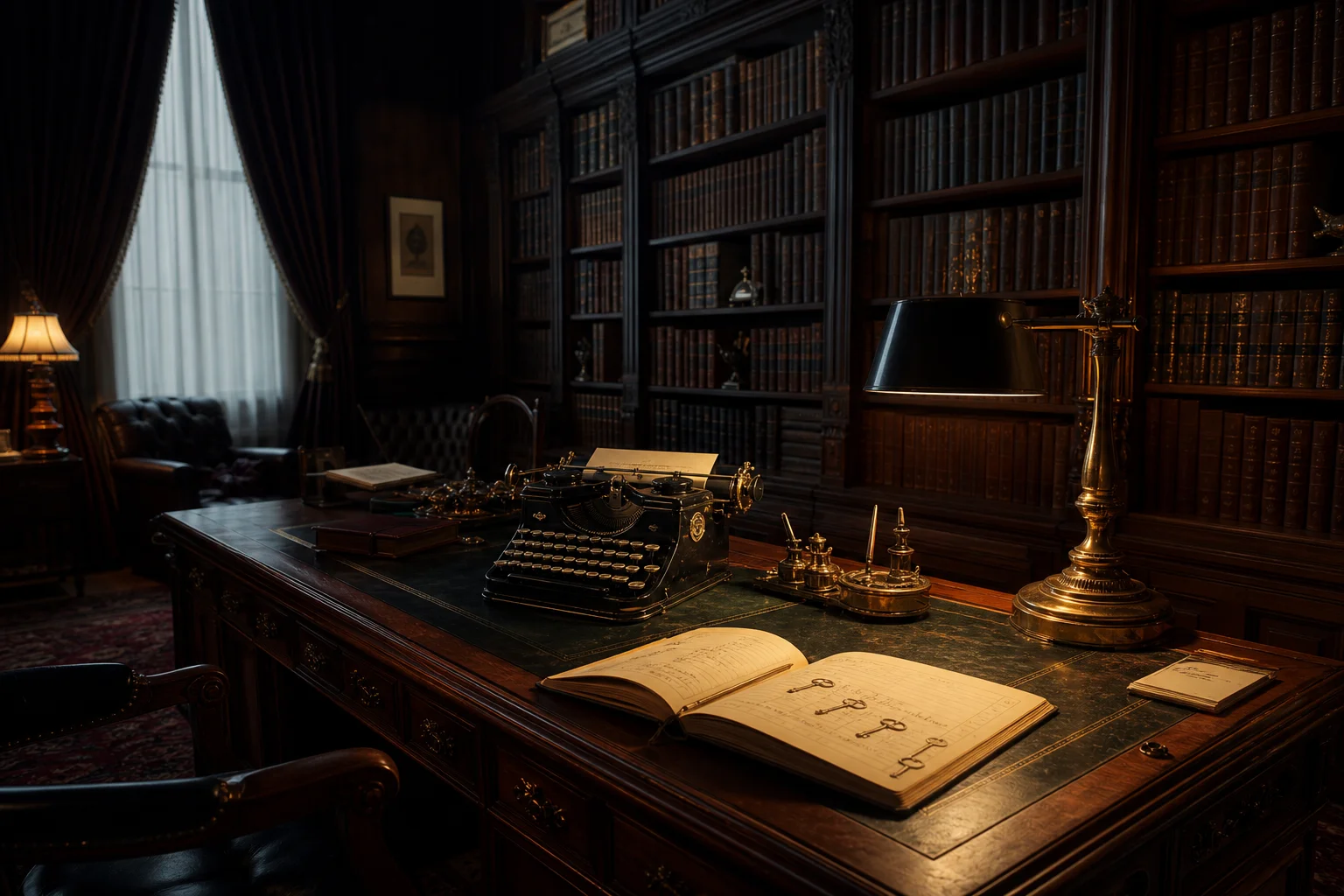
Prohibition-era America (1920-1933). Tools include: rotary telephones, mechanical cash registers, handwritten ledgers, fountain pens, manual typewkeys, paper files, physical keys & simple pin-tumbler locks, analog clocks, photographic darkrooms, early radio sets for communication. No electronic surveillance or digital storage.
✦ Related Cases ✦