The Aston Nuptials
An independent investigator is hired to examine an anomaly discovered during a wedding ceremony at Pemberton Hall. The investigation focuses on a discrepancy involving a piece of heirloom jewelry and the movements of the wedding party on the estate grounds.
 Initial Crime Scene
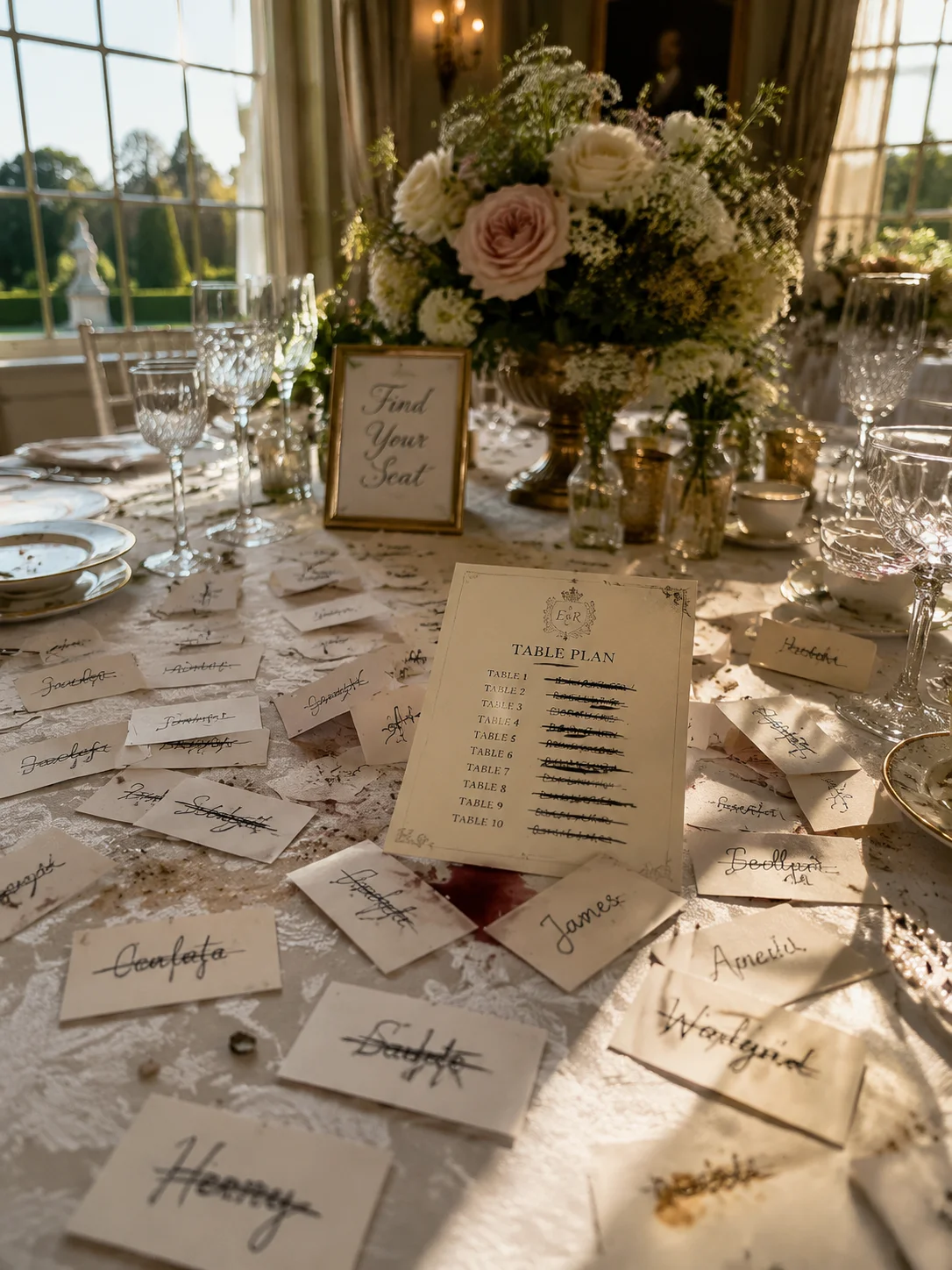
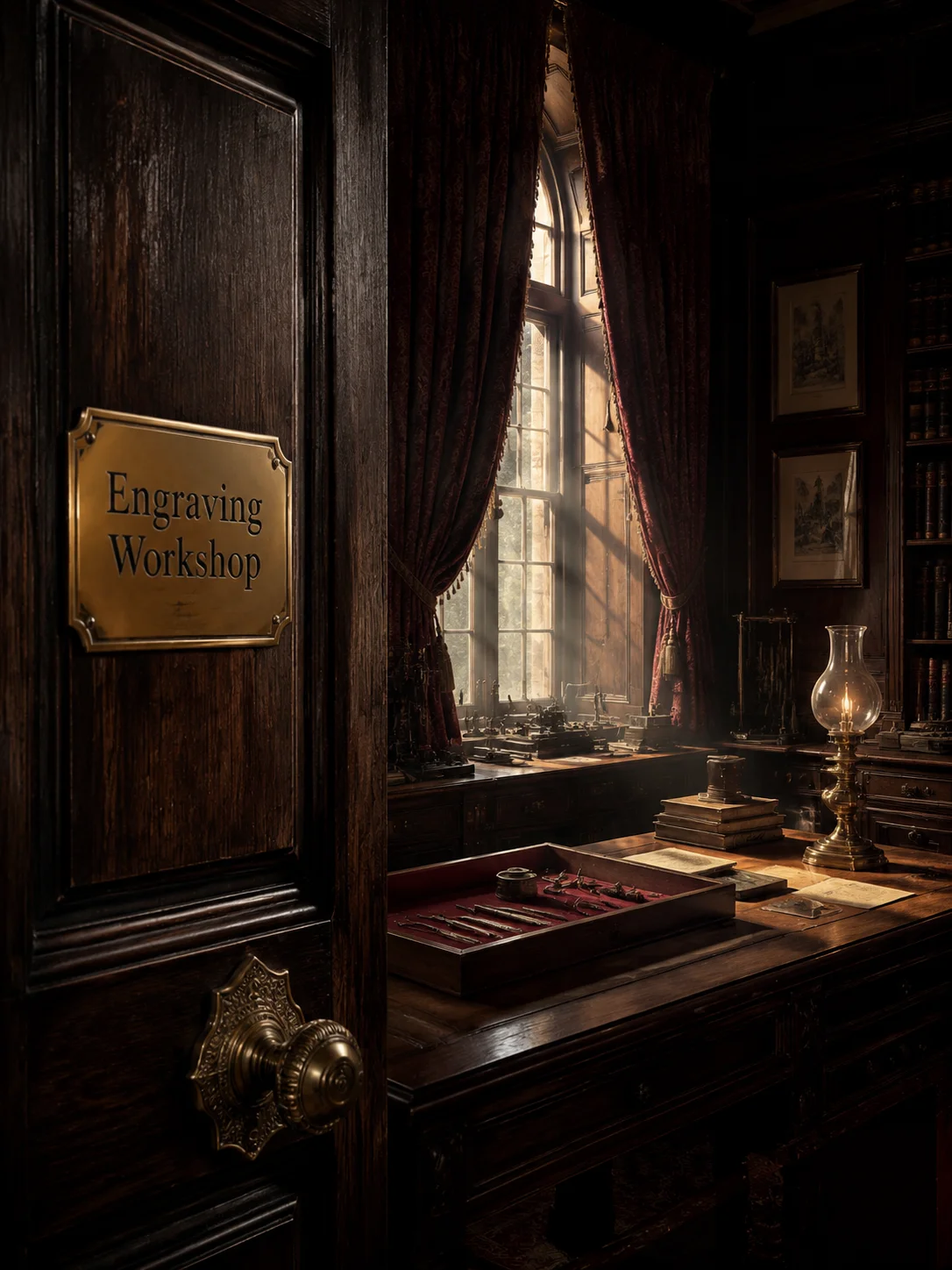
The air is thick with the scent of beeswax polish and faint, wilting floral arrangements. A distant, rhythmic ticking from a hallway clock punctuates the silence. My gaze first catches the polished brass doorplate of the engraving workshop, the deep pile of the velvet tray within, and the severe, wood-paneled walls of the adjacent study.
 Crime Scene Environment
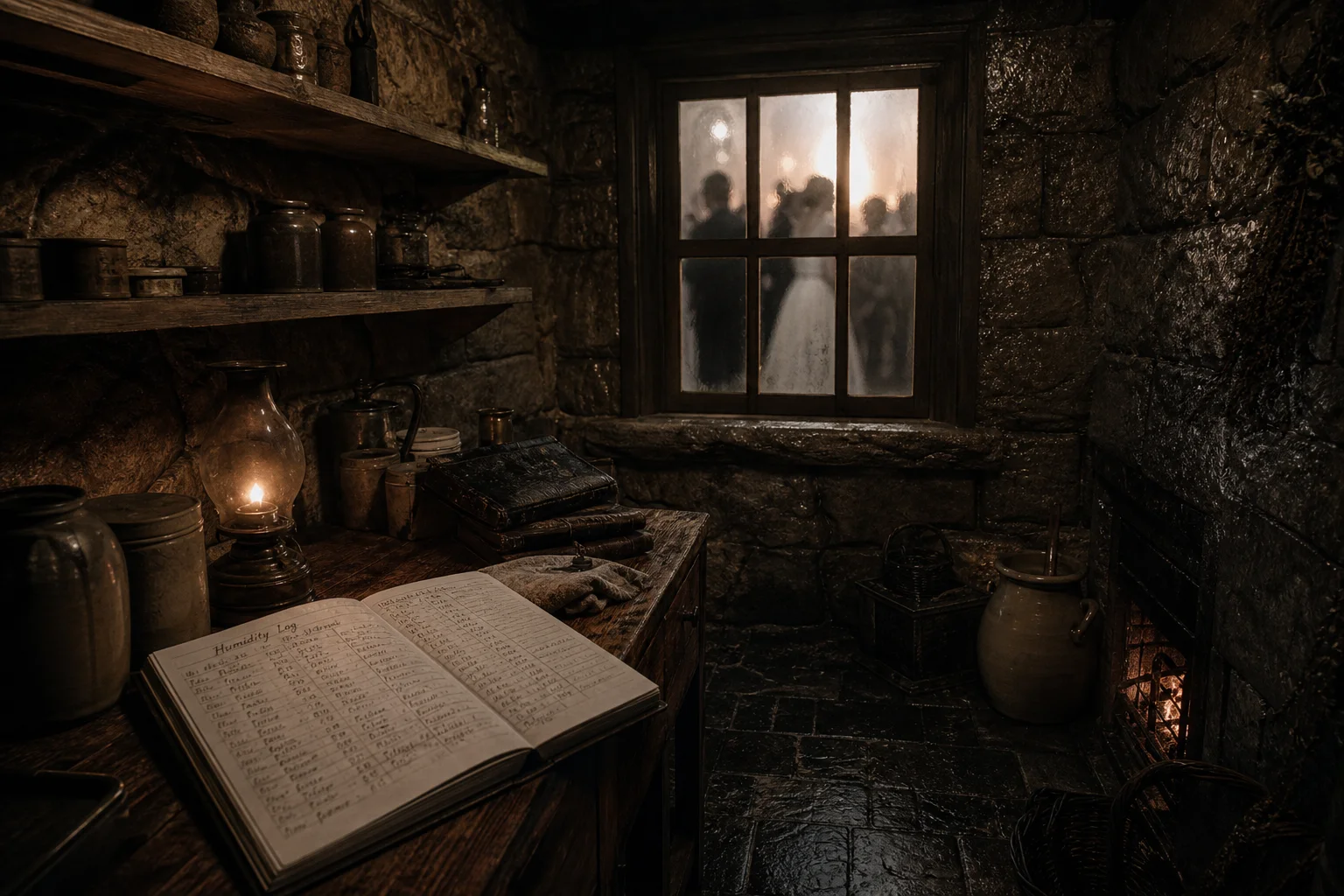
The environment is defined by a rigid Victorian-era household structure. Lighting is primarily from gas lamps and tall windows, casting sharp shadows and a warm, amber glow. The air is dry and carries a persistent, cool dampness, a contrast to the polished surfaces. Acoustic density is low; sounds are muffled by heavy drapes, thick carpets, and the constant, soft hum of household activity, creating pockets of intense, private silence.
 Investigation Constraints
Victorian-era household technologies. Communication is via handwritten notes, delivered by servants or post. Security involves mechanical locks on doors and jewel boxes. Data is stored in handwritten ledgers, personal diaries, and engraved metalwork. The primary 'viewport' is a physical line of sight, such as a window or garden path.
✦ Related Cases ✦