The Cipher in the Static
In a corporate tower slick with neon and synthetic air, a data-archivist is found dead in a sealed transport pod. An independent forensic specialist must navigate a grid of encrypted server logs, biometric access records, and chemical trace analysis to reconstruct the timeline of the event. The corporate environment hums with the low frequency of machine cooling and the flicker of monitoring screens, where every employee's alibi is a thread in a larger web of compliance audits, financial reviews, and personal secrecy.
 Initial Crime Scene
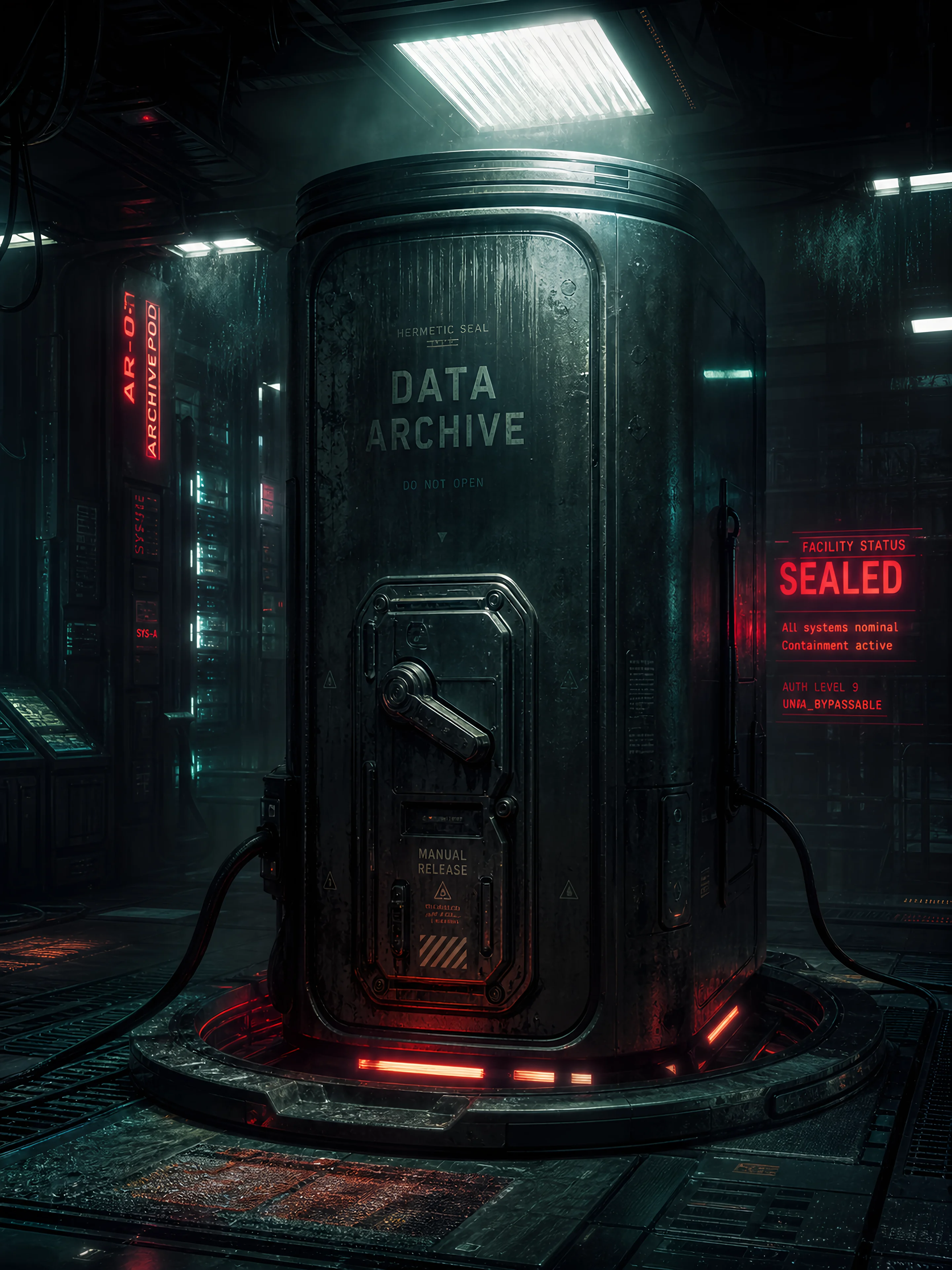
The sterile scent of ozone and synthetic cleaning solvent stings your nostrils as you cross the threshold into the Sealed Server Archive. Your eyes adjust to the cool, flickering light from overhead panels, immediately drawn to three details: the rhythmic dust disturbance patterns around the ventilation grilles, the faint, corroded residue on the manual release latch of a hermetic data-pod on its charging pad, and the cold, gridded metal floor under your boots. The constant, low hum of server mainframes provides a steady ambient drone, punctuated by the distant, arrhythmic click of a printer mechanism.
 Crime Scene Environment
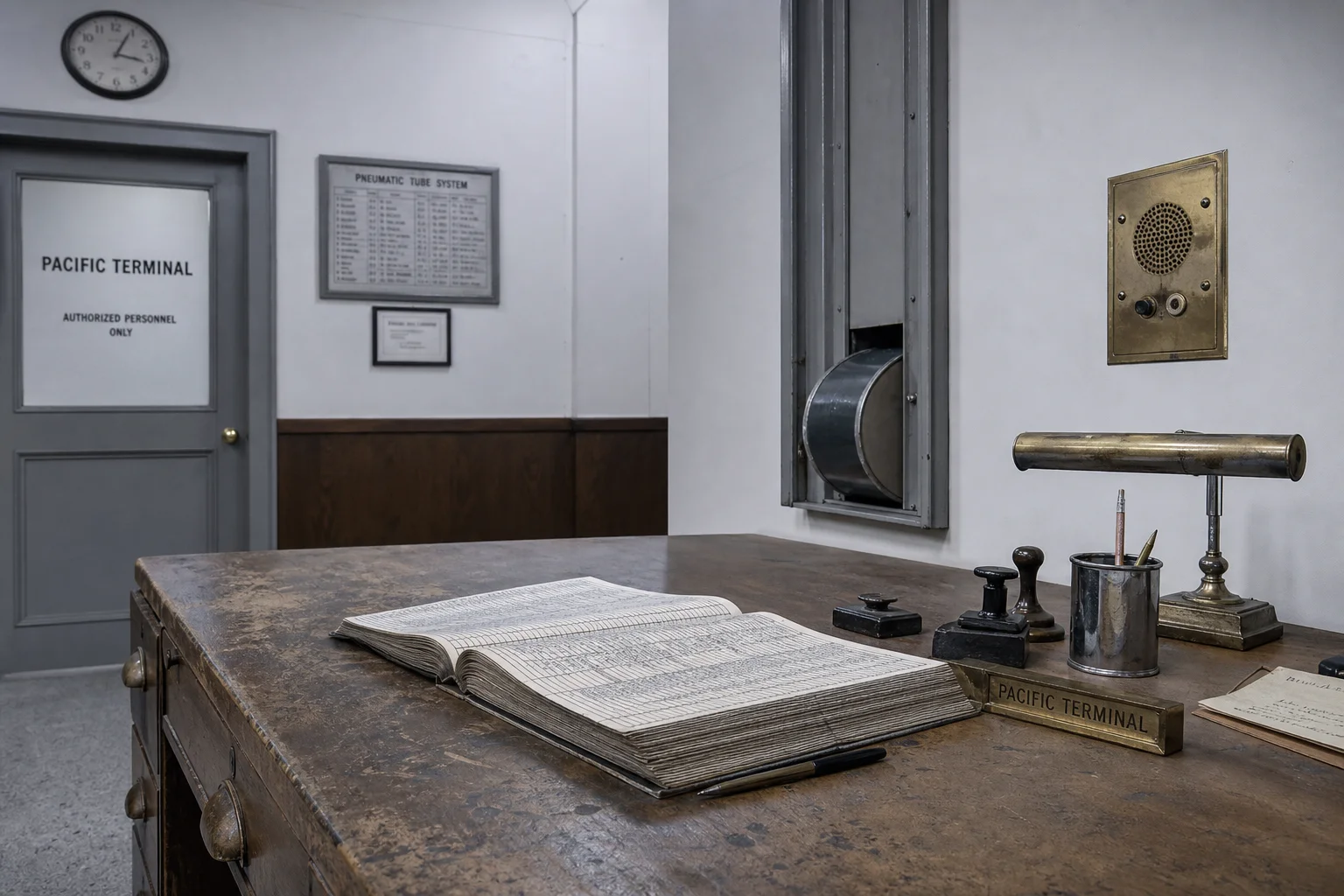
The sandbox operates under a low-lux, flickering fluorescent profile that casts shifting, high-contrast shadows. The air carries a persistent synthetic humidity, cool and dry with a chemical tang, registering at a low temperature but feeling dense with residual heat from machinery. The acoustic density is high, saturated with the layered hum of cooling fans, the whisper of pneumatic tubes, and the occasional, sharp hiss of a valve releasing pressure, all filtered through a grid of grime-coated surfaces.
 Investigation Constraints
Biometric access panels (retinal/fingerprint), encrypted data-chips, landline comms with tapped channels, pneumatic message tubes, analog CCTV with 24-hour tape loops, mechanical lockboxes, toxicology scanner beds, server mainframes with log printers.
✦ Related Cases ✦