The Compromised Stream
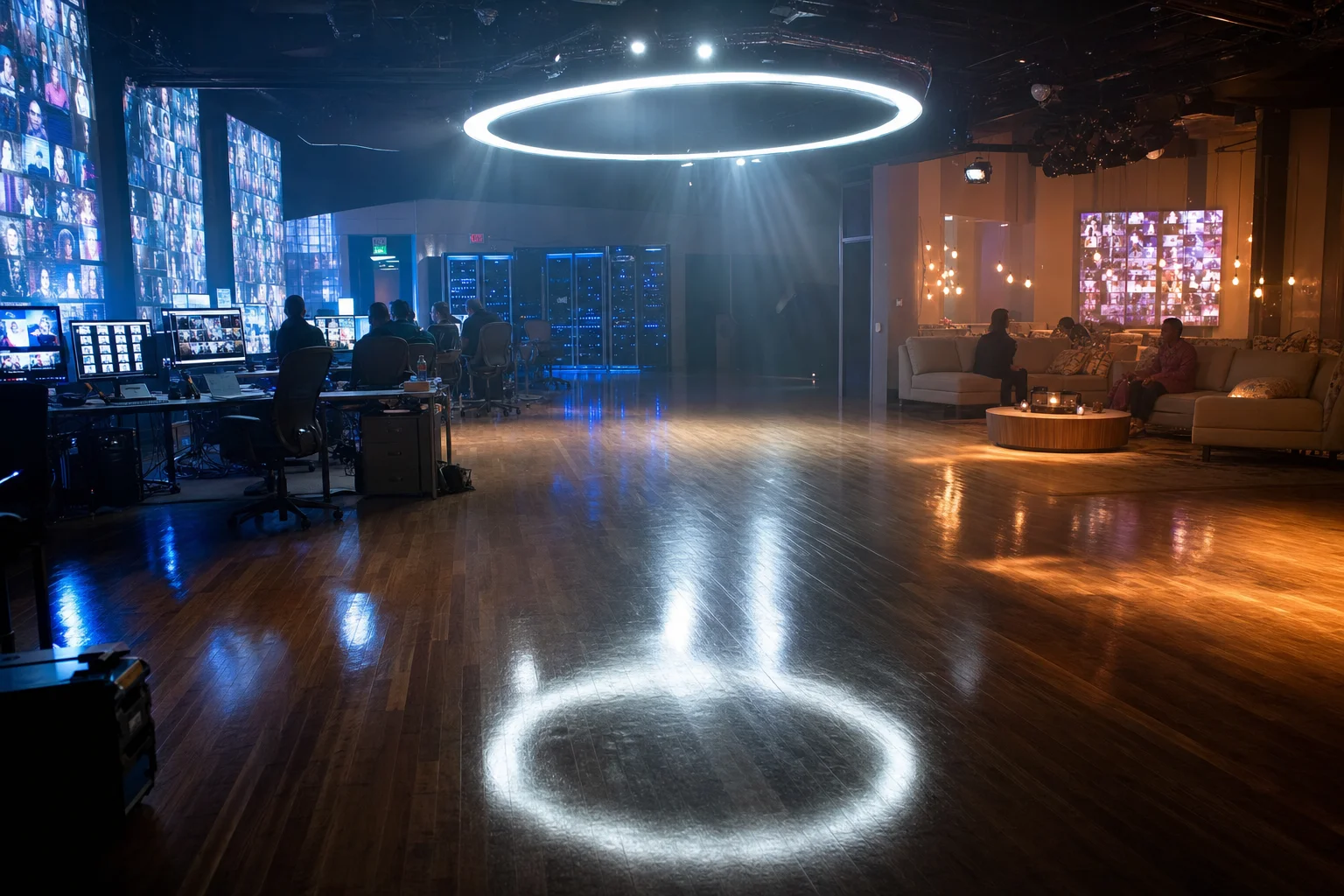
During the live-streamed production of a reality show apology, a fatal equipment failure occurs. The production team, talent, and network executives are present in the studio complex, each with their own professional responsibilities and schedules recorded in cloud-based logs and biometric access systems.
 Initial Crime Scene
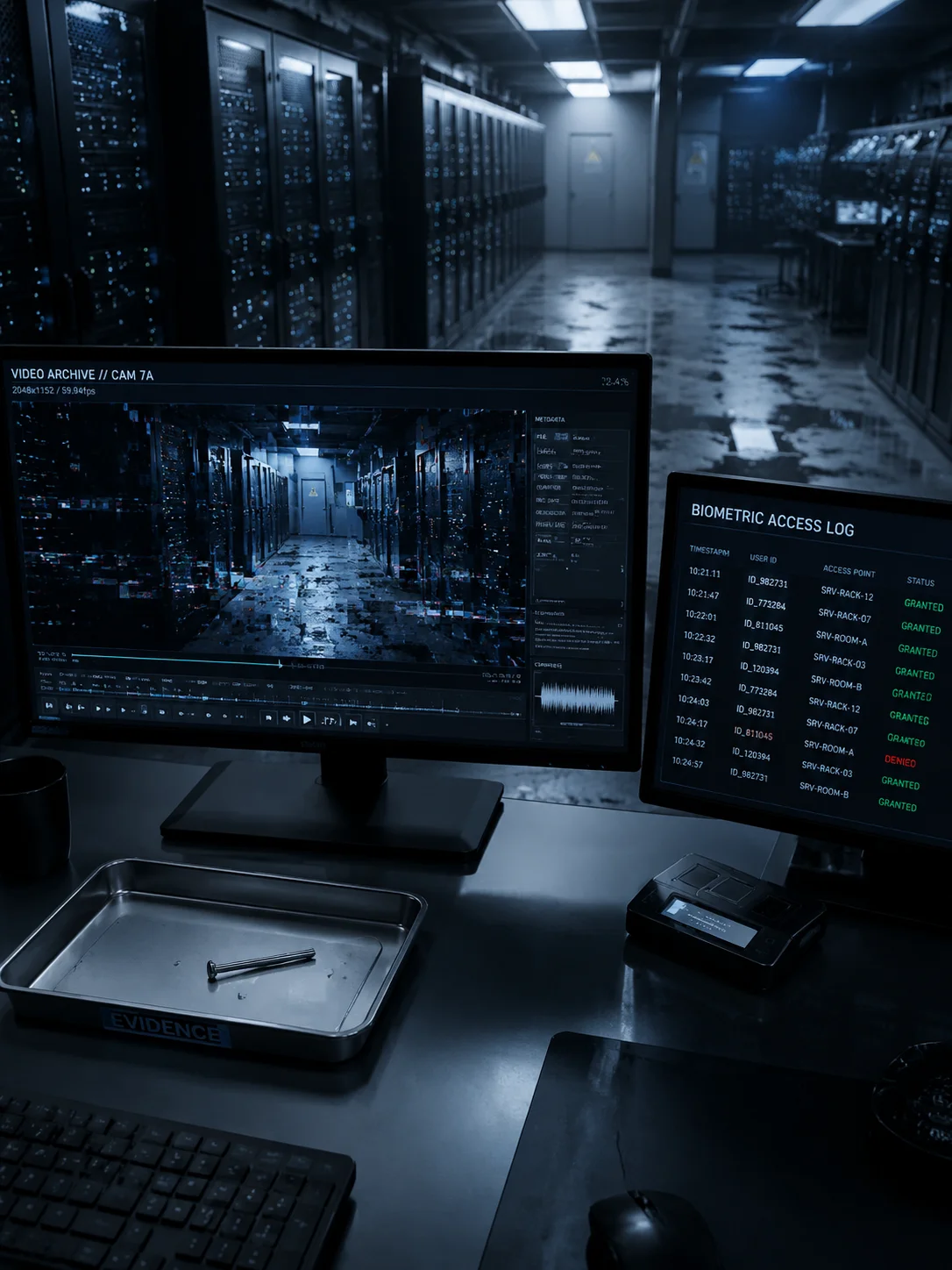
The scent of ozone and spilled, sweetened tea hangs heavy. A constant, low-frequency hum emanates from a bank of server racks. Three localized visual markers dominate the sterile space: a severed metal pin lying on an evidence tray, a high-definition monitor displaying a corrupted video timeline, and a biometric access log flickering with timestamp entries.
 Crime Scene Environment
The environment is characterized by a harsh, artificial lighting profile with cool-white LEDs creating high contrast shadows. The humidity is low, with a temperature profile maintained at a stable, slightly cool range typical of electronics-heavy spaces. The acoustic density is moderate, dominated by the persistent hum of cooling fans and the occasional, sharp beep of a console alert.
 Investigation Constraints
High-definition digital cameras with internal memory cards, cloud-based live-streaming platforms (e.g., Streamify, VibeCast), encrypted messaging apps (e.g., Signal, WhisperChat), professional editing software (e.g., FinalCut Pro), digital audio recorders, smartphone social media APIs, biometric door access logs at the studio, and cloud-based schedule management systems. No forensic-level hacking or deepfake technology is available to the cast.
✦ Related Cases ✦