The Grain Dust Labyrinth
An independent investigator arrives in the quiet town of Blackwood Hollow following the discovery of a body in the abandoned grain silo. Initial statements from residents describe a web of social obligations, professional anxieties, and long-held secrets. Each person's account contains minute, observable discrepancies in their alibis and emotional composure, creating a complex puzzle of conflicting timelines and trace evidence.
 Initial Crime Scene
The heavy, wooden door of the grain silo groans open, releasing a wall of sweet, dusty air that catches in the back of the throat. Through the slanted sunbeam from a high, grimy window, a constellation of dust motes swirls, illuminating a swath of layered grain dust on the floor. A single, deep impression mars the fine powder near the base of a silent, iron grain auger. The only sound is the faint, rhythmic drip of condensation from a corrugated iron seam onto a tin bucket.
 Crime Scene Environment
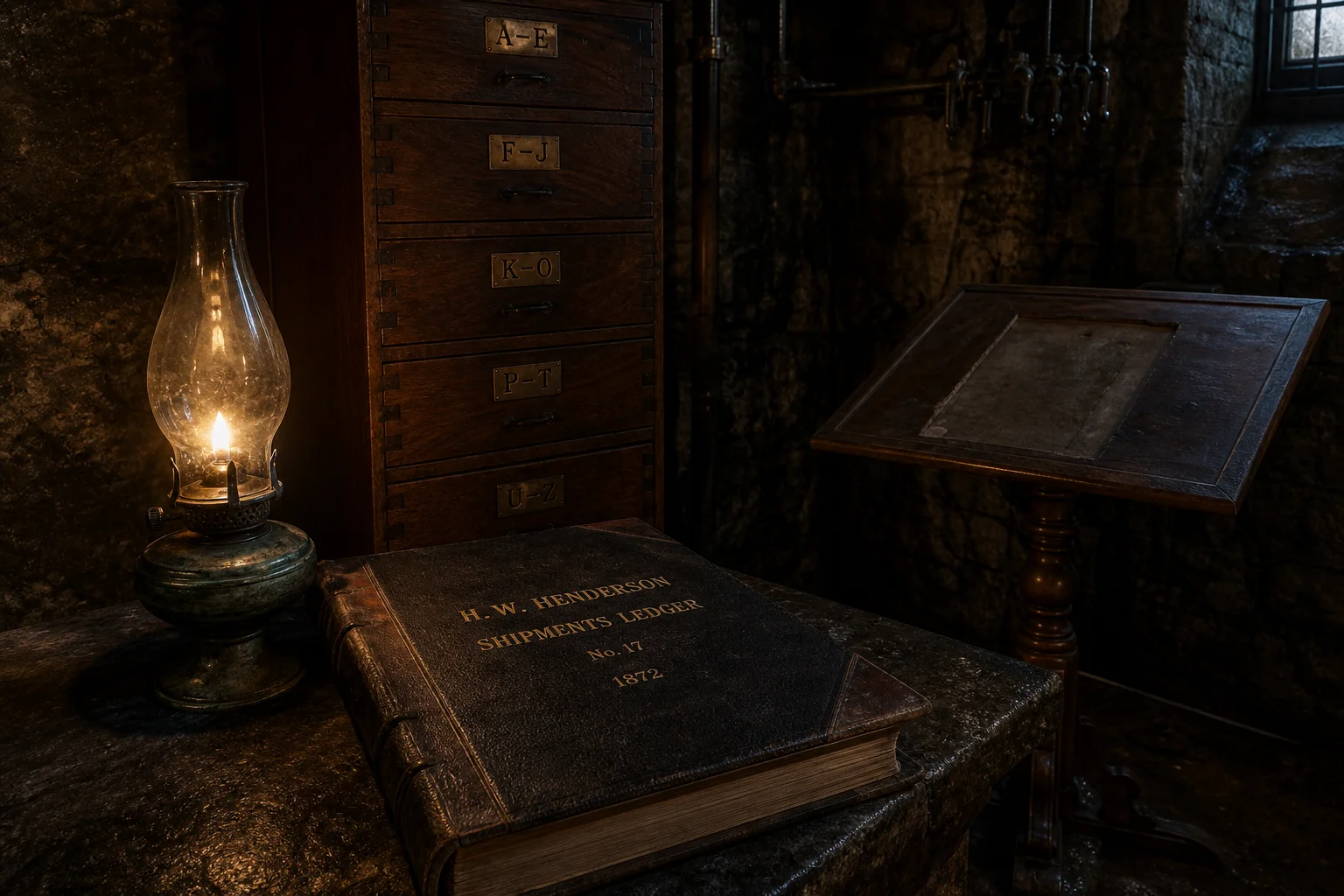
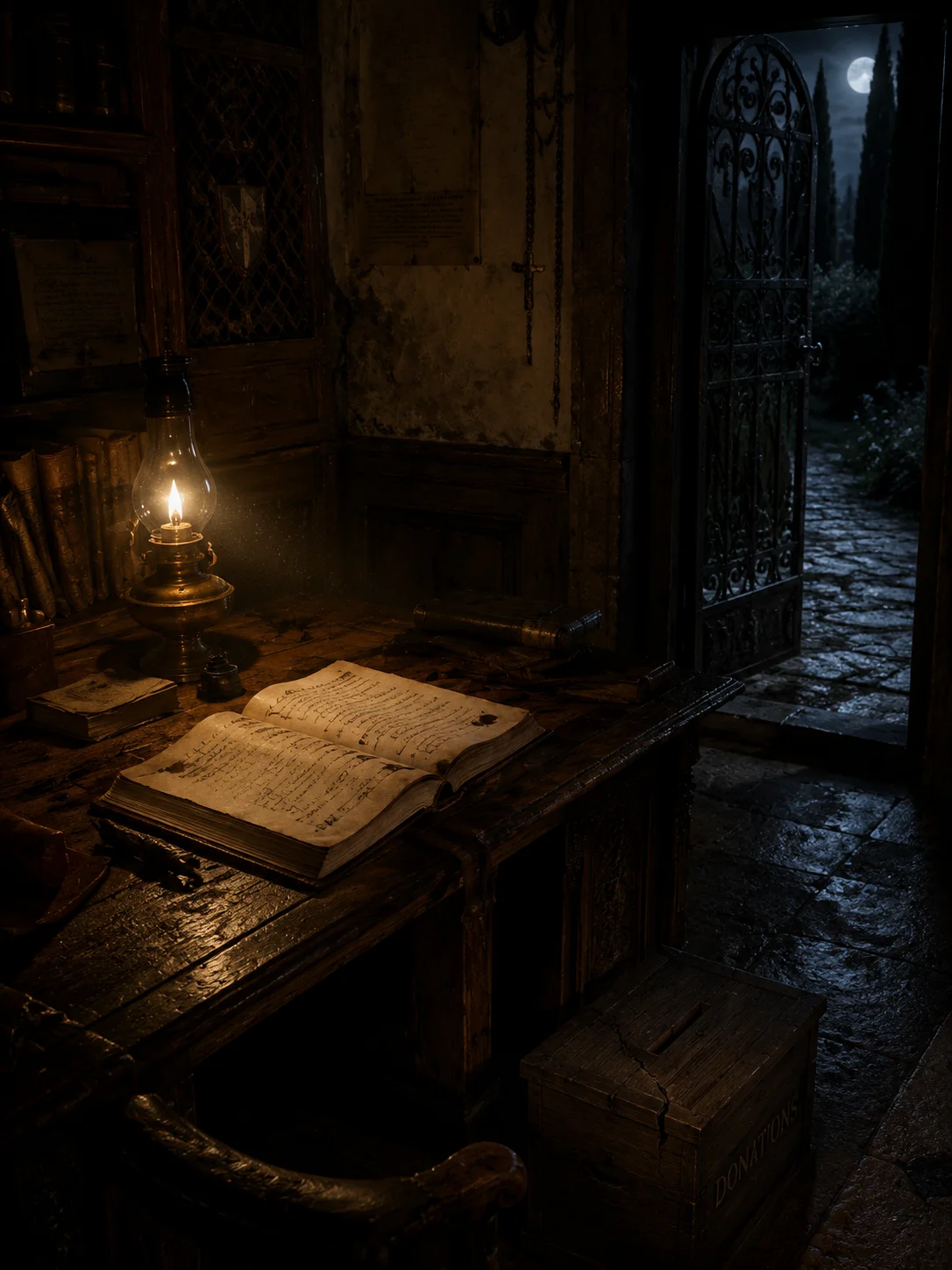
The sandbox is defined by a lighting profile of diffused, golden lamplight and narrow sunbeams cutting through pervasive dust. The humidity is dry, carrying the acrid scent of iron-gall ink and the earthy sweetness of stored grain, while the temperature is cool and stagnant. The acoustic density is low, characterized by the amplification of small, sharp sounds—the squeak of a polishing cloth, the rustle of starched linen, the dry skittering of a rodent in the grain—within profound, hushed tones.
 Investigation Constraints
Handwritten ledgers, fountain pens, manual typewriters, rotary telephones, physical bank vaults, mechanical combination locks, paper-based town archives, hand-cranked grain augers, oil lanterns, and local postal service communication.
✦ Related Cases ✦