The Helios-7 Incident
An independent forensic investigator is dispatched to the corporate habitat 'Helios-7' following a critical incident in its cryo-stasis bay. The primary subject, a lead neural architect, is deceased. The investigation must be conducted amidst a corporate environment characterized by encrypted data-slates, neural-link interfaces, and a crew of six executives, each maintaining their own high-level professional identities.
 Initial Crime Scene
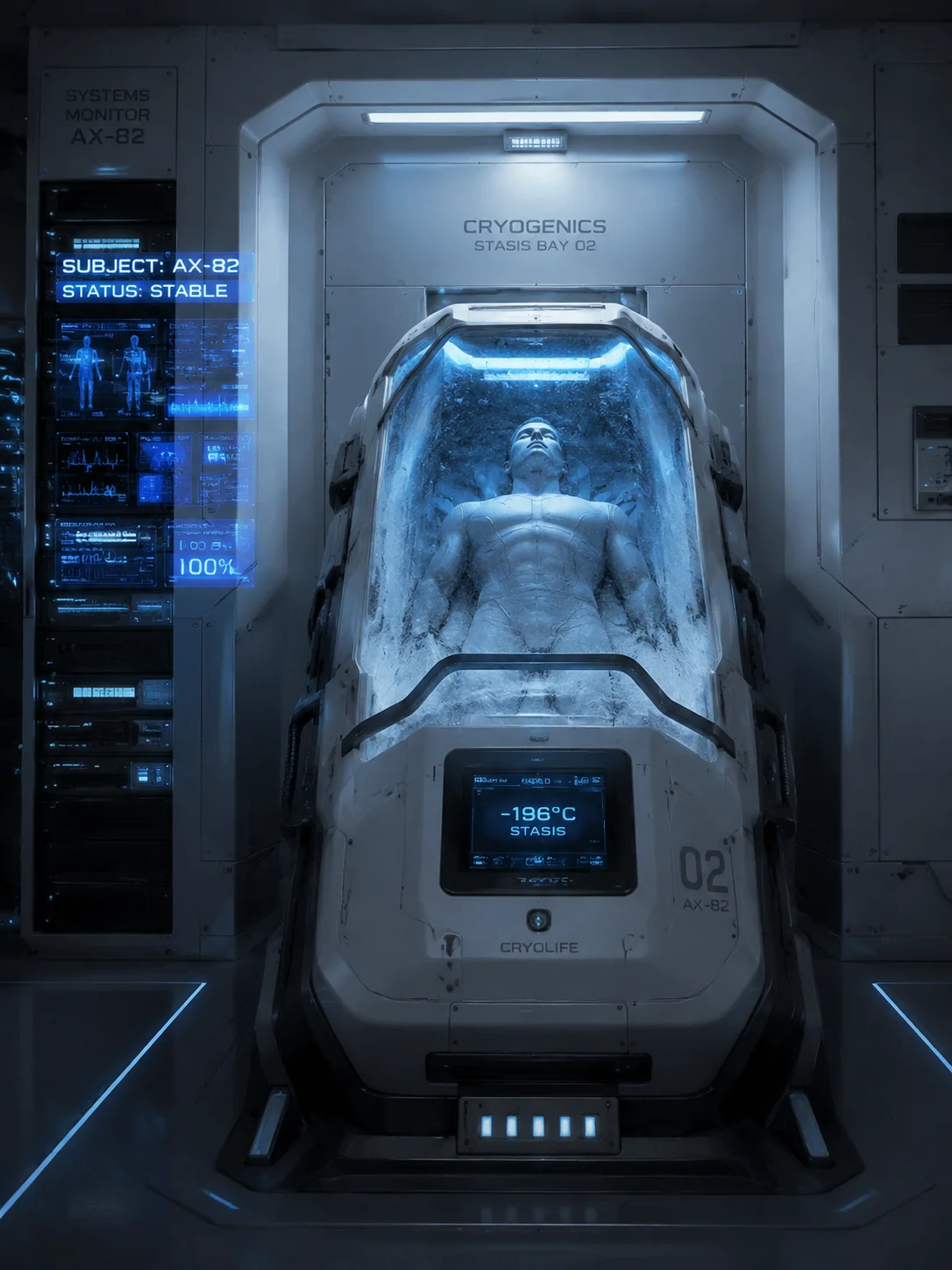
The frigid, ozone-tinged air of the cryo-bay hits you first, a sterile shock against your skin. Your gaze is drawn to the main diagnostic alcove, where the victim's cryo-pod rests under the cold, blue glow of its status lights. To your left, a server console emits a low, constant hum, its surface reflecting the faint, erratic pulse of a holographic integrity feed. Directly ahead, the matte composite panel of the pod bears a faint, localized discoloration, a rough, matte patch roughly ten centimeters in diameter. The ambient sound is the silent, pressurized rush of coolant through the walls.
 Crime Scene Environment
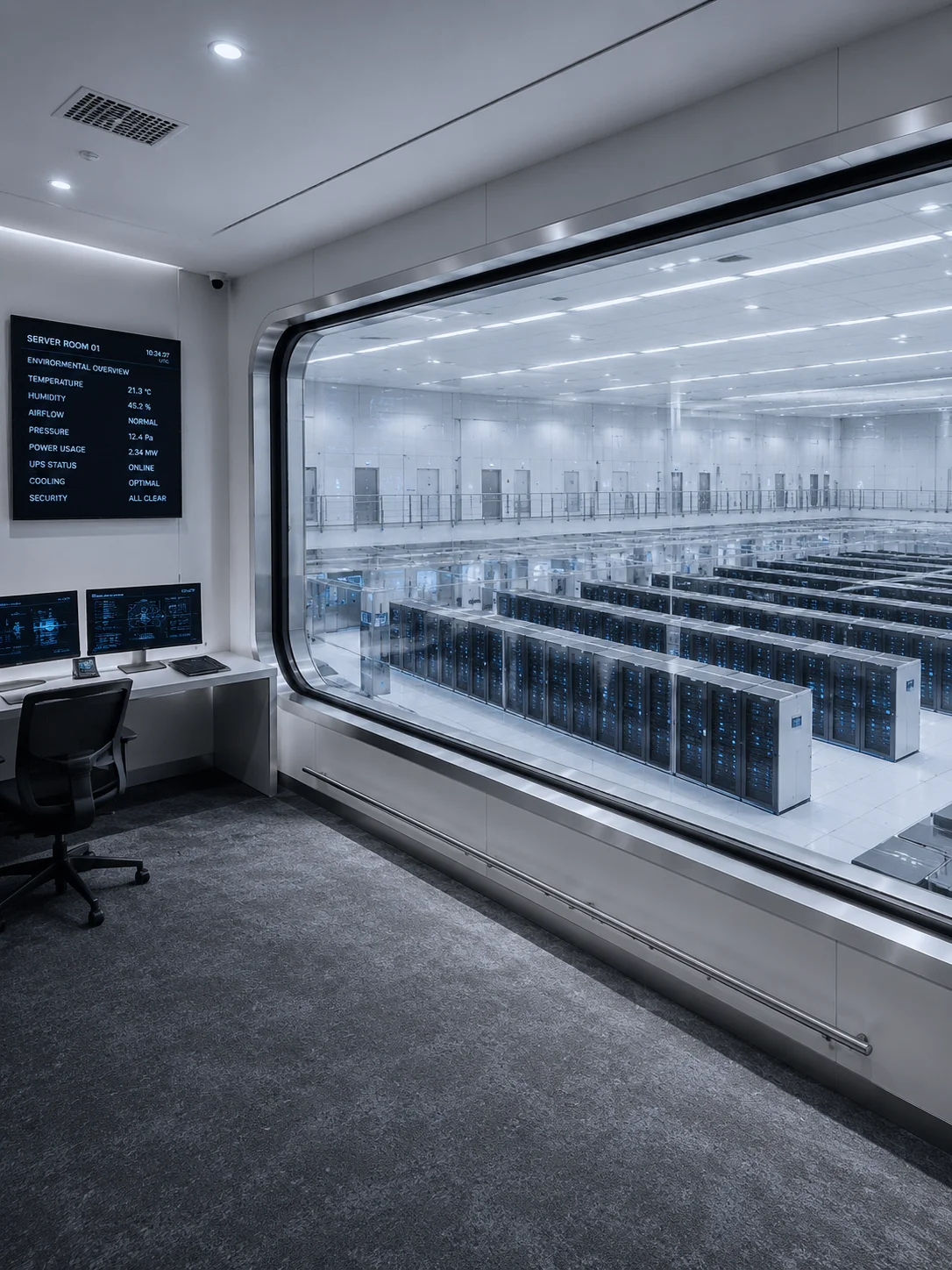
The initial environment is defined by a sterile, institutional coldness. Lighting is a flat, even luminescence from recessed panels, eliminating shadows. The humidity is controlled and low, contributing to a dry, crisp atmosphere. Acoustic density is minimal, dominated by the low-frequency hum of server racks and the distant, rhythmic pulse of life-support systems, creating a pressurized silence.
 Investigation Constraints
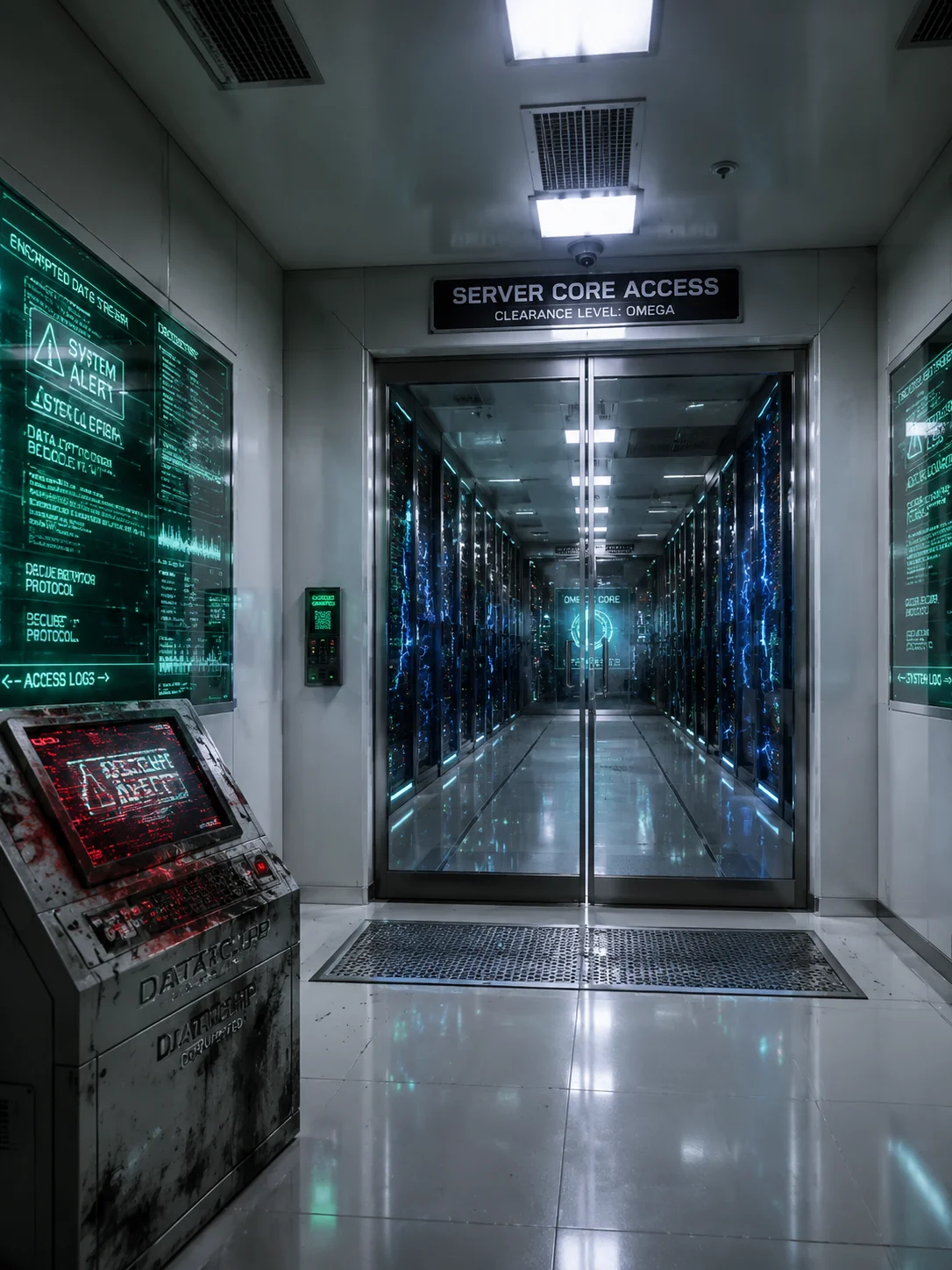
Biometric neural-link interfaces for direct mind-to-system communication. Corporate-grade encrypted data-slates and server logs. Cryo-stasis pods with environmental monitoring. Forensic toxicology nanite-scanners. Voice-stress analyzers integrated into corporate comms. Physical keycards with biometric locks. Projected holographic displays for data review.
✦ Related Cases ✦