The Logging Paradox
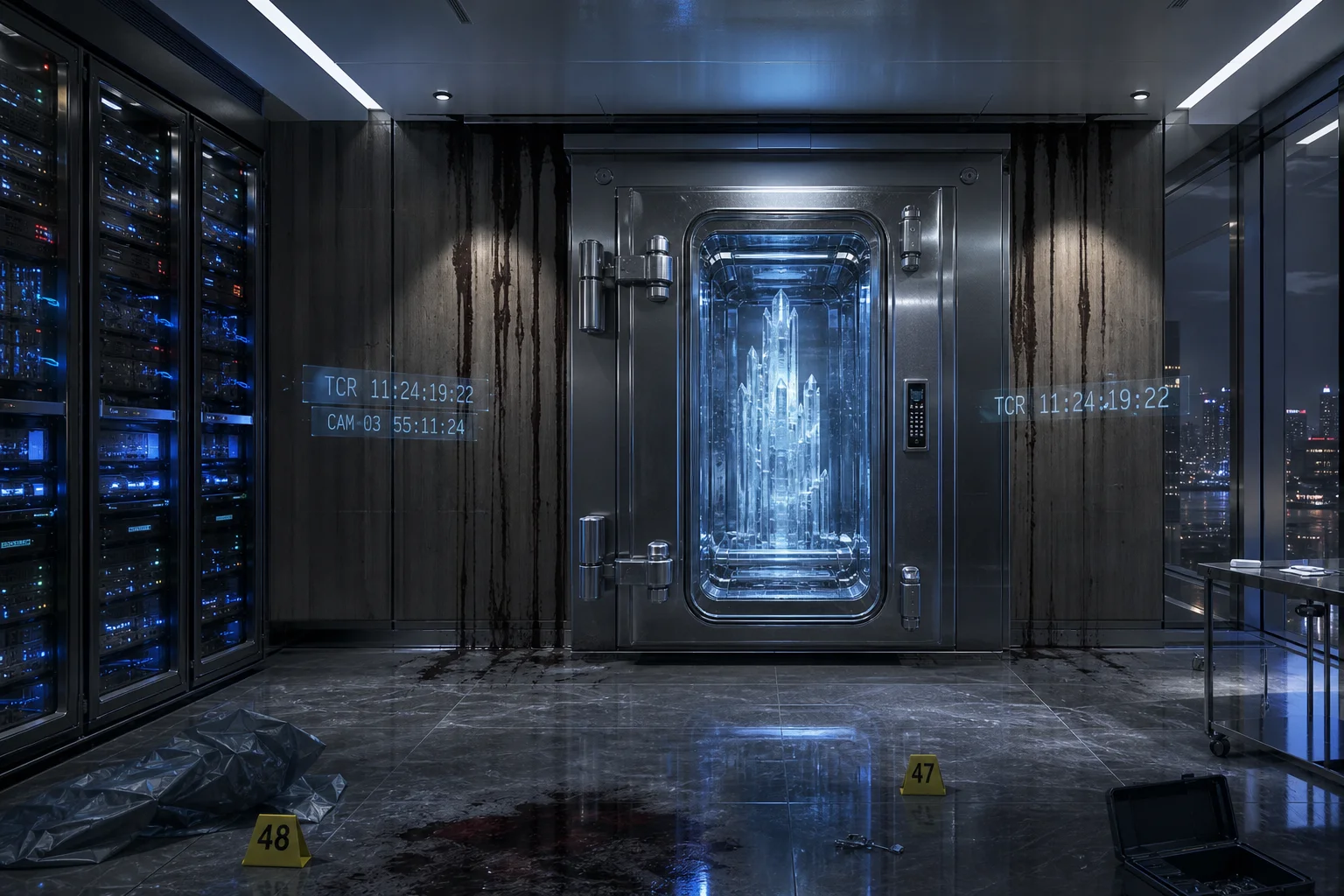
A liability consultant is found dead in a secure server farm. The autonomous drone swarm's memory buffer presents an access timeline that is internally inconsistent. The investigation involves analyzing digital logs, biometric records, and environmental sensors within a corporate facility.
 Initial Crime Scene
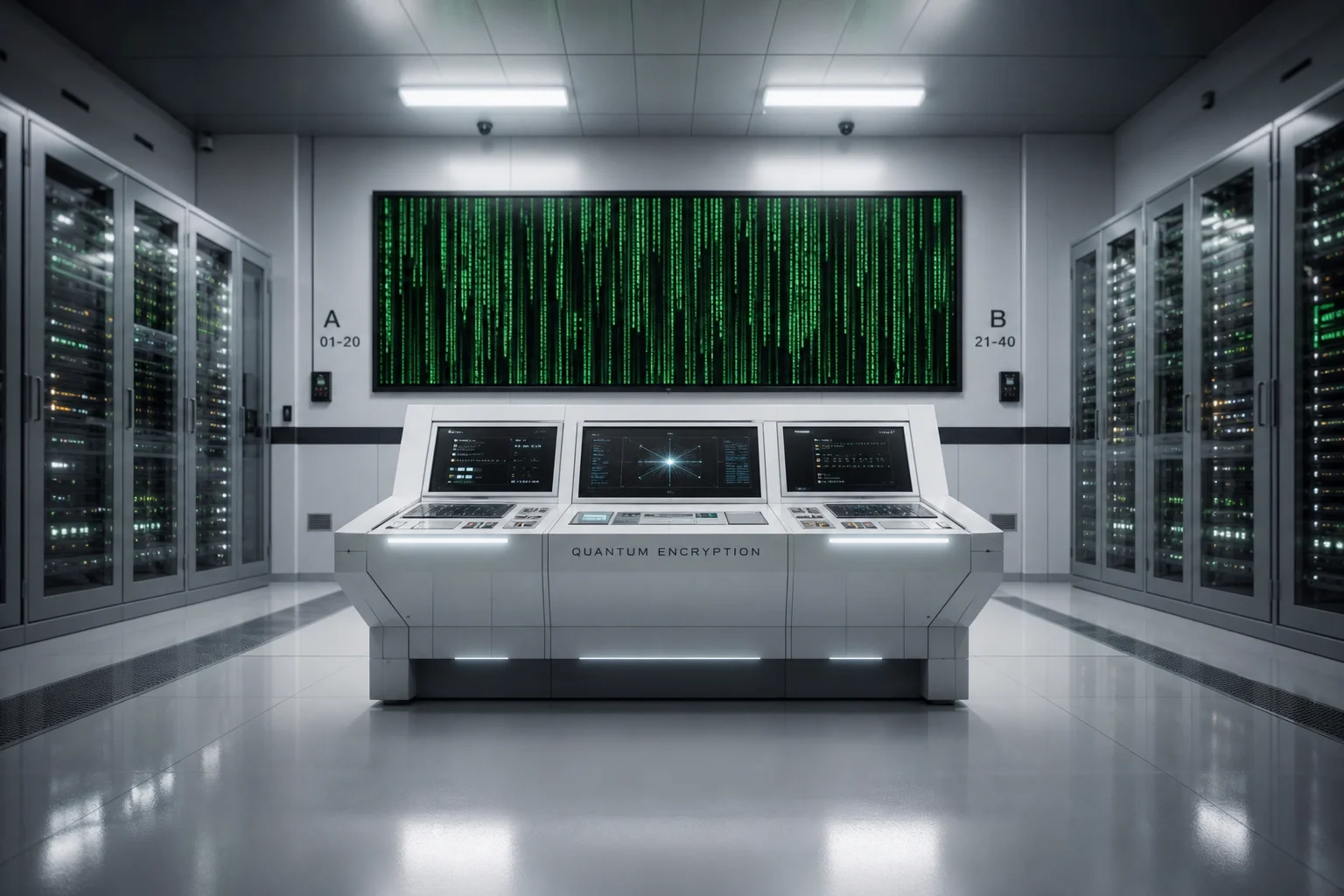
The air hits first, a sterile ozone tang sharp enough to taste, layered over the pervasive, low-frequency hum of server racks cooling in synchronized rhythm. Fluorescent glare reflects off the polished synthetic floor, casting hard-edged shadows. My gaze sweeps the chamber, taking in the central quantum-encryption console, its surface a cold, matte white, and the wall-mounted data-stream display, its cascading lines of green telemetry the only movement in the static scene.
 Crime Scene Environment
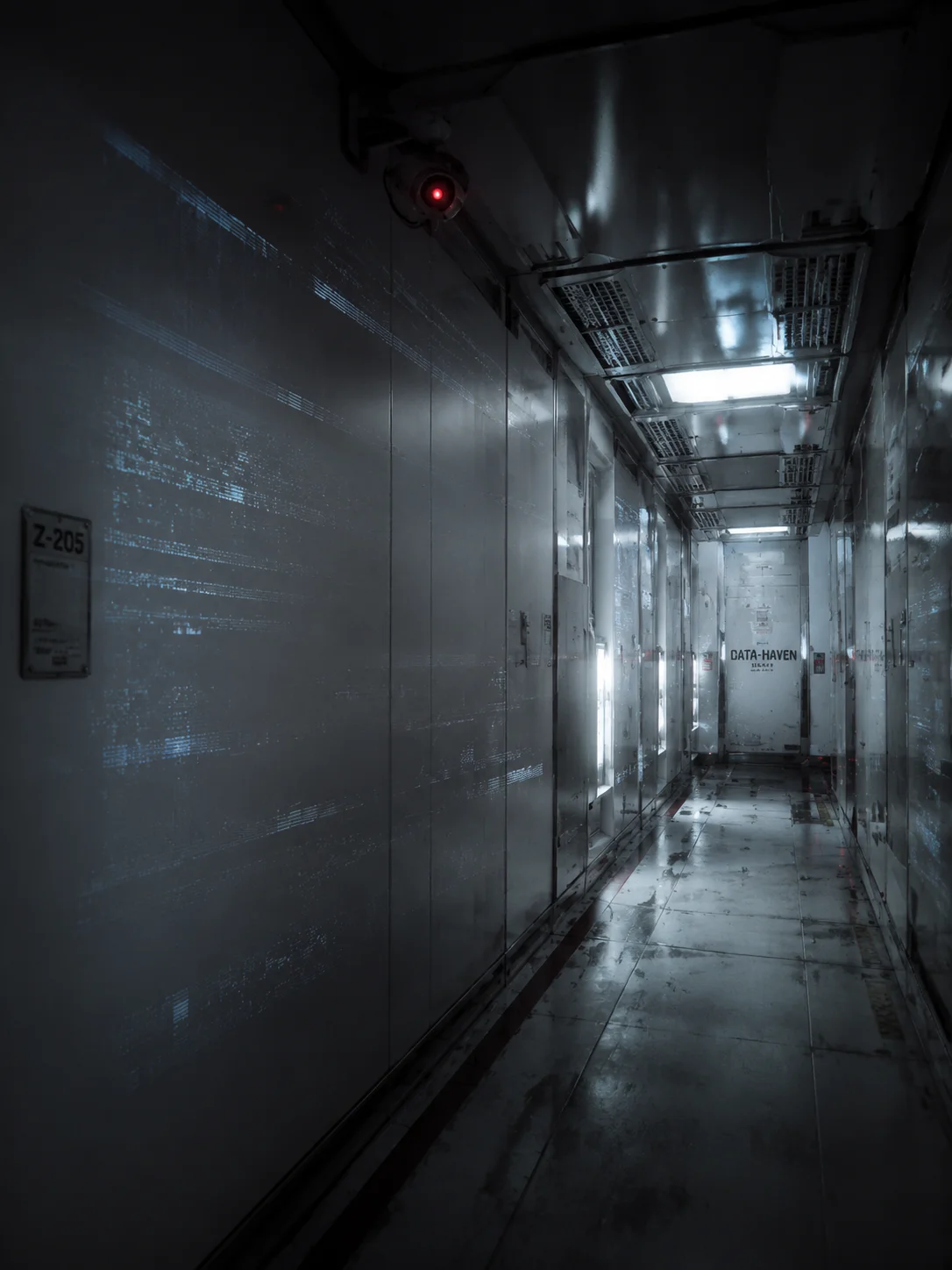
The lighting is a uniform, clinical fluorescent glare with no natural sources. The air is climate-controlled, maintaining a low humidity and a constant, cool temperature. The acoustic density is dominated by the synchronized hum of server cooling fans, with minimal secondary sound. All surfaces present a synthetic sheen.
 Investigation Constraints
Autonomous surveillance drone swarms with local mesh-network memory. Bio-metric keycard access logs. Quantum-encrypted corporate email archives with metadata shadows. Forensic toxicology nano-assays. Neural interface diagnostic ports (read-only). Pneumatic tube document delivery systems with tamper-evident seals. Public transit facial recognition feeds.
✦ Related Cases ✦