The Miller Creek Incident
When the volunteer fire brigade's hand-pump engine vanishes from the station house, an investigator is called to examine the physical anomalies. The town's citizens present their routines and professional duties, their statements creating a complex matrix of observations. The physical evidence at the scene and surrounding areas presents a series of objective conditions for analysis.
 Initial Crime Scene
The heavy scent of damp earth and decaying wood hits you as you step across the threshold. A warped floorboard groans under your boot. Your eyes adjust to the dim light from a single, soot-smudged oil lantern, revealing three stark visual markers: the empty, dust-outlined impression on the dirt floor where the engine stood, a fresh web of cracks spidering across the plaster of the main support beam, and deep splinters radiating from a central point of impact on the door frame near the lock.
 Crime Scene Environment
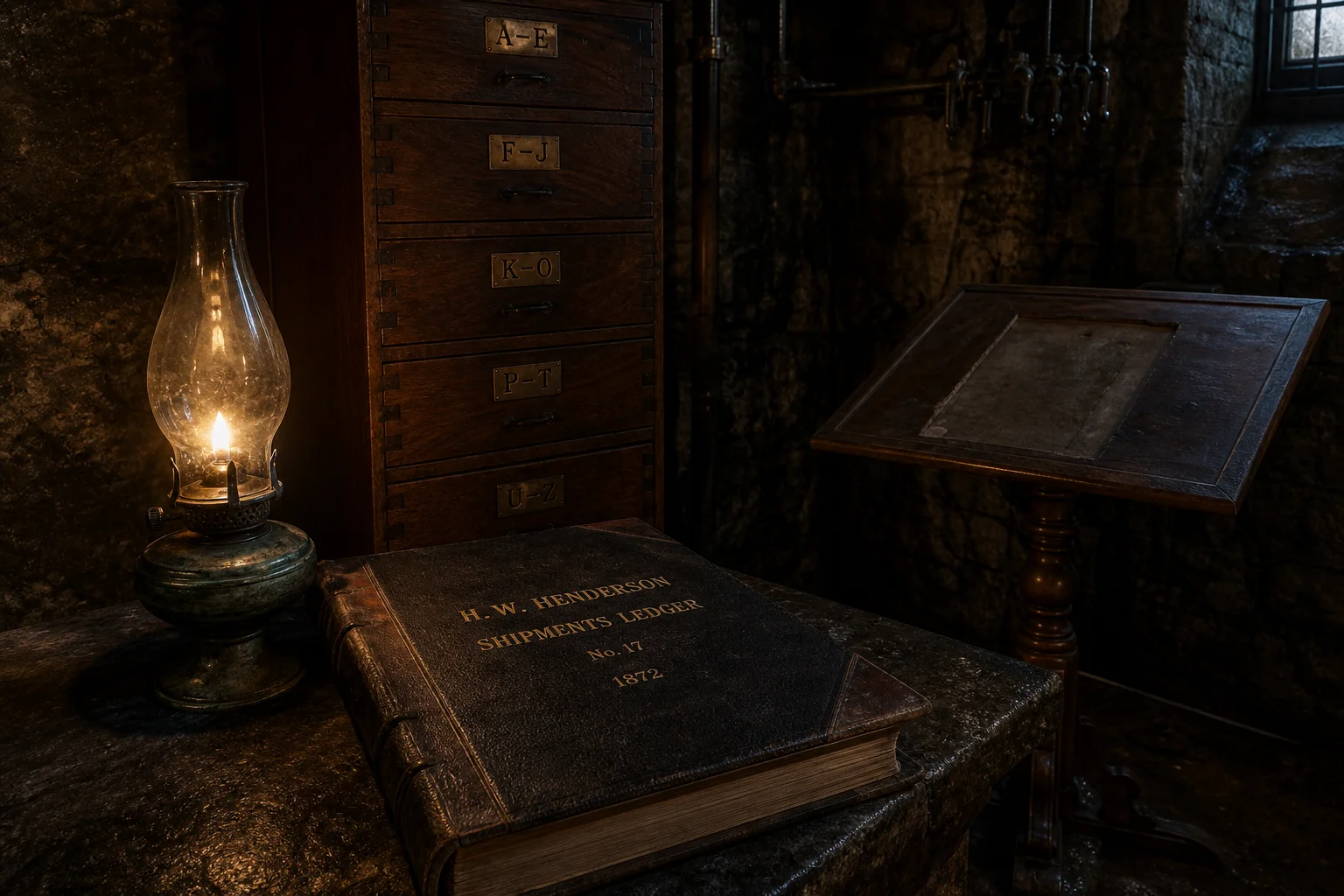
The lighting is a low, uneven amber glow from oil lanterns, casting long, dancing shadows. The air holds a damp, cool humidity, tinged with the smell of coal smoke and old paper. Acoustic density is low, characterized by the groan of warped floorboards, the distant tick of a clock, and the constant, muffled sound of a town settling for the night.
 Investigation Constraints
Mid-19th century rural American West. Tools: manual well pumps, oil lanterns, hand-crank telegraph, hand-pumped fire engines, horse-drawn wagons, coal stoves, simple mechanical locks with iron keys, ledgers with ink and quill. Communication: face-to-face, posted letters, town crier, telegraph for emergencies only. Locks: iron padlocks, deadbolts, wooden bolts. Computation: ledger books, mental arithmetic, abacuses.
✦ Related Cases ✦