The Quiet Service
A forensic accountant dining privately at the acclaimed 'Sage & Saffron' restaurant is discovered deceased. The investigation focuses on the staff's professional conduct, the evening's service logs, and the physical environment of the establishment.
 Initial Crime Scene
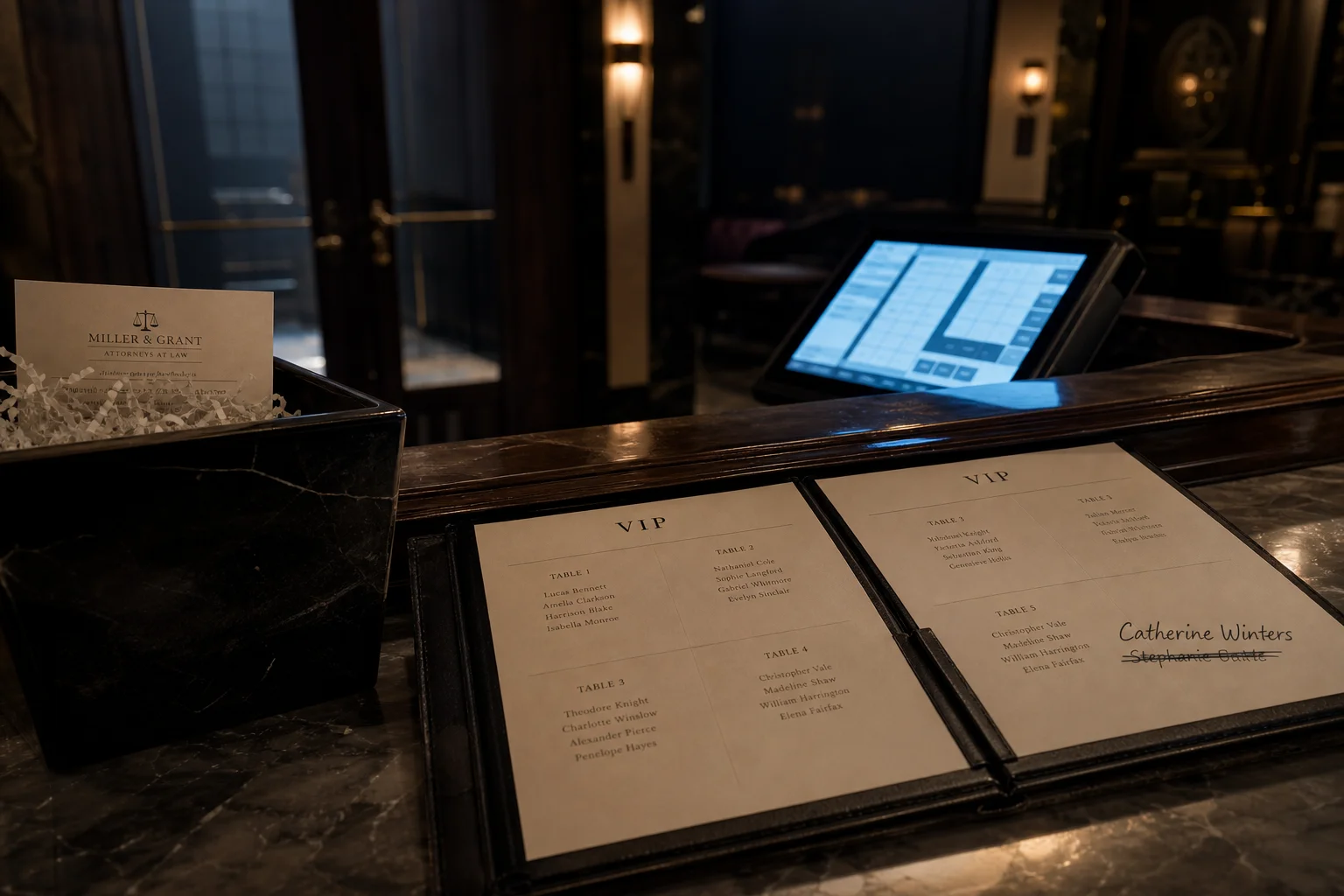
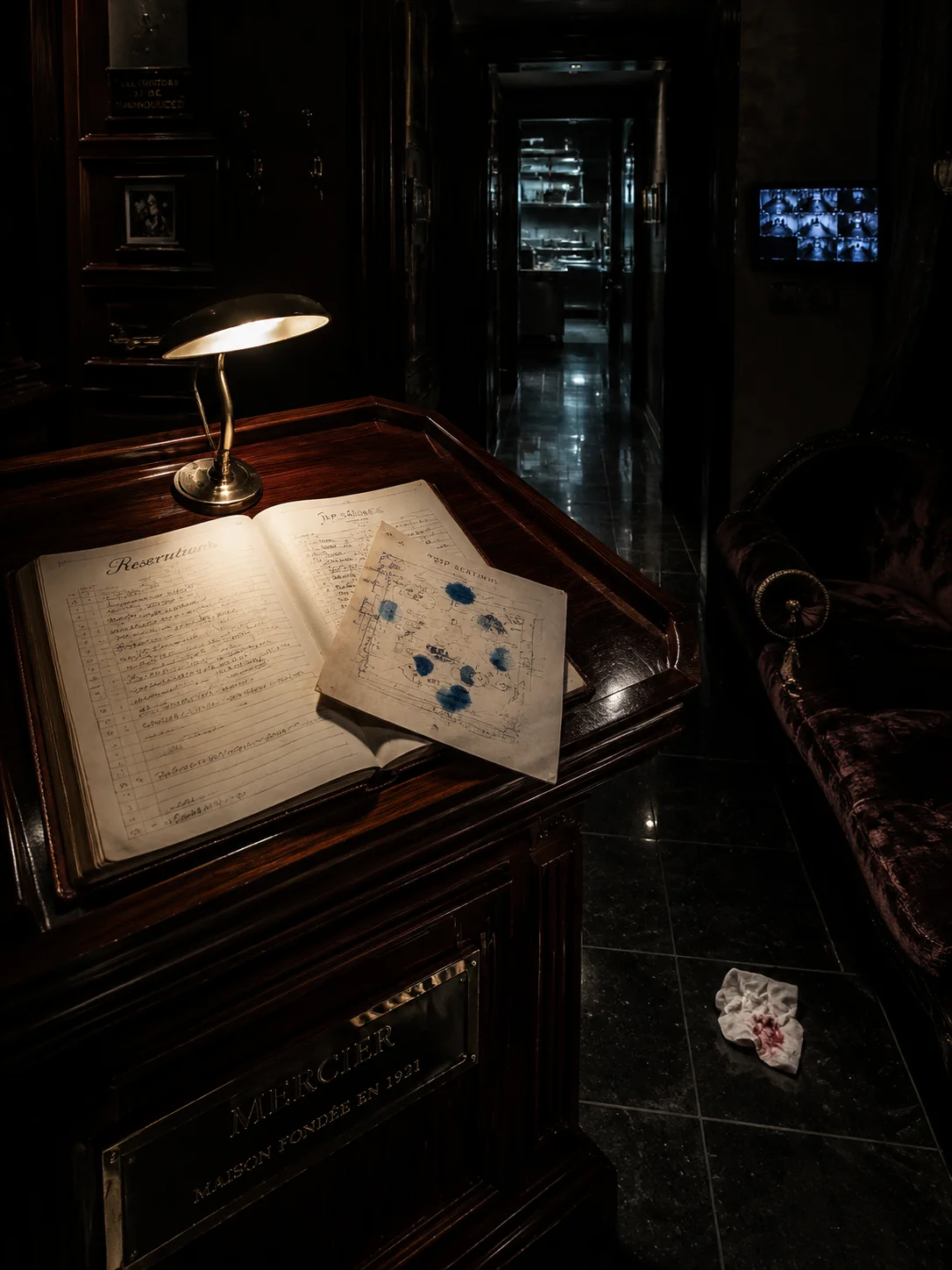
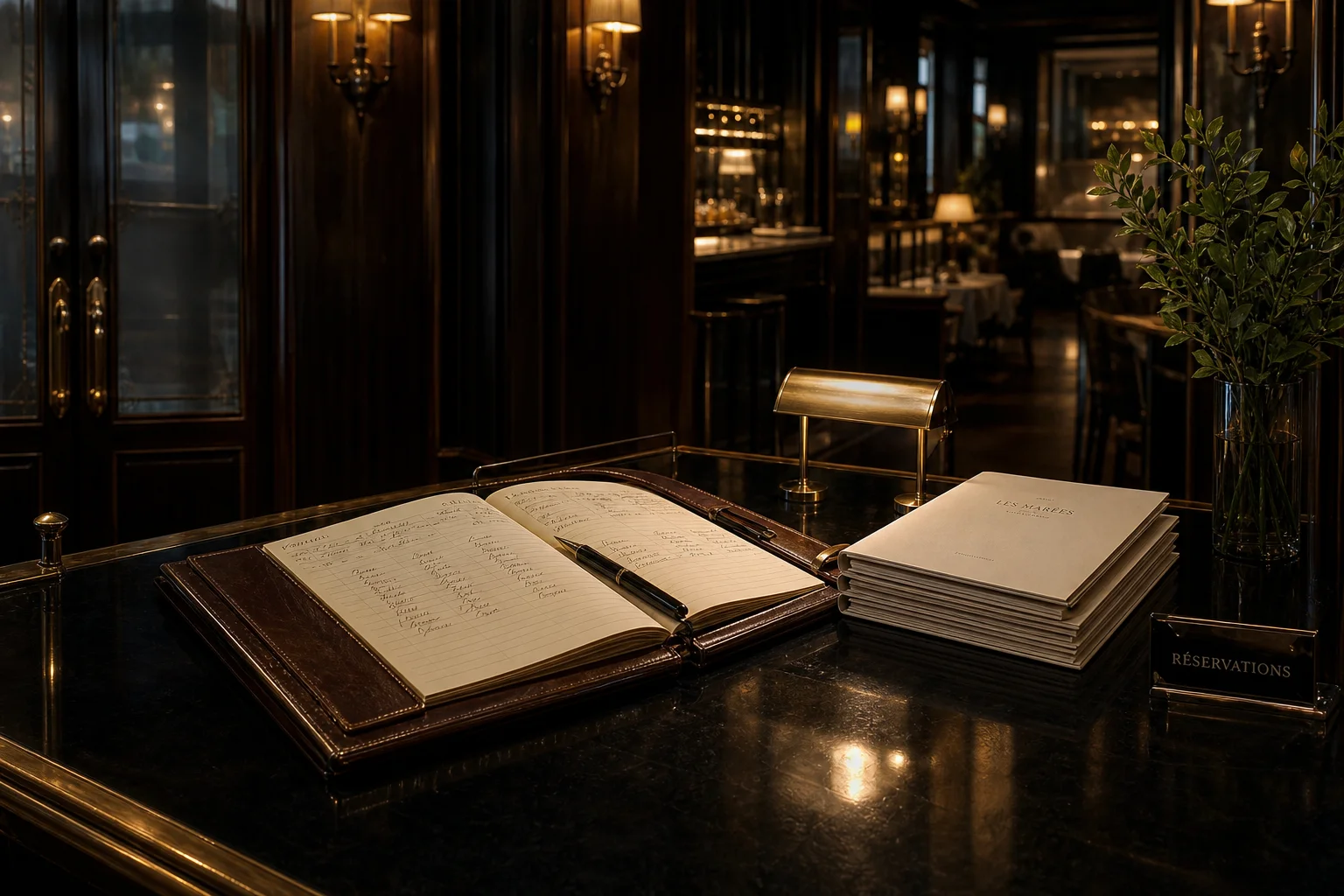
The polished mahogany host stand reflects the soft glow of wall sconces, its surface cool to the touch. The air carries a faint, acrid scent of lemon polish, underlaid by the distant, savory aroma of reduced sauces from the kitchen. A leather-bound reservation ledger lies open, its pages filled with elegant fountain pen script. Nearby, a stack of crisp tasting menus sits in perfect alignment. The low hum of the dining room and the occasional clink of crystal against china provide a constant, ambient audio backdrop.
 Crime Scene Environment
The environment is characterized by focused, warm lighting in service areas like the host stand and dining floor, contrasting with cooler, dimmer light in the wine cellar and administrative corners. The humidity is low, controlled by the kitchen's heat and the cellar's cool air, creating pockets of dry warmth and damp earthiness. The acoustic density is moderate, with a background hum of muffled conversation, the rhythmic clatter of dishware, and the intermittent whisper of the pneumatic tube system, all filtered through heavy drapery and thick carpets.
 Investigation Constraints
Analog-era tools: handwritten reservation books, paper stock ledgers, rotary telephones in the office, a dumbwaiter system with a manual bell-pull, a pneumatic tube system for passing orders to the kitchen, and a single, wall-mounted intercom unit for private dining rooms. All logs are physical; the only 'sensors' are human perception and analog mechanisms.
✦ Related Cases ✦