Whispers in the Gilded Cage
In a sweltering 1928 speakeasy, the discovery of a man's body and the absence of a personal ledger initiates an inquiry. The investigation encounters a series of obstructive behaviors, from performative grief to frantic document tampering, each act rooted in protecting personal standing.
 Initial Crime Scene
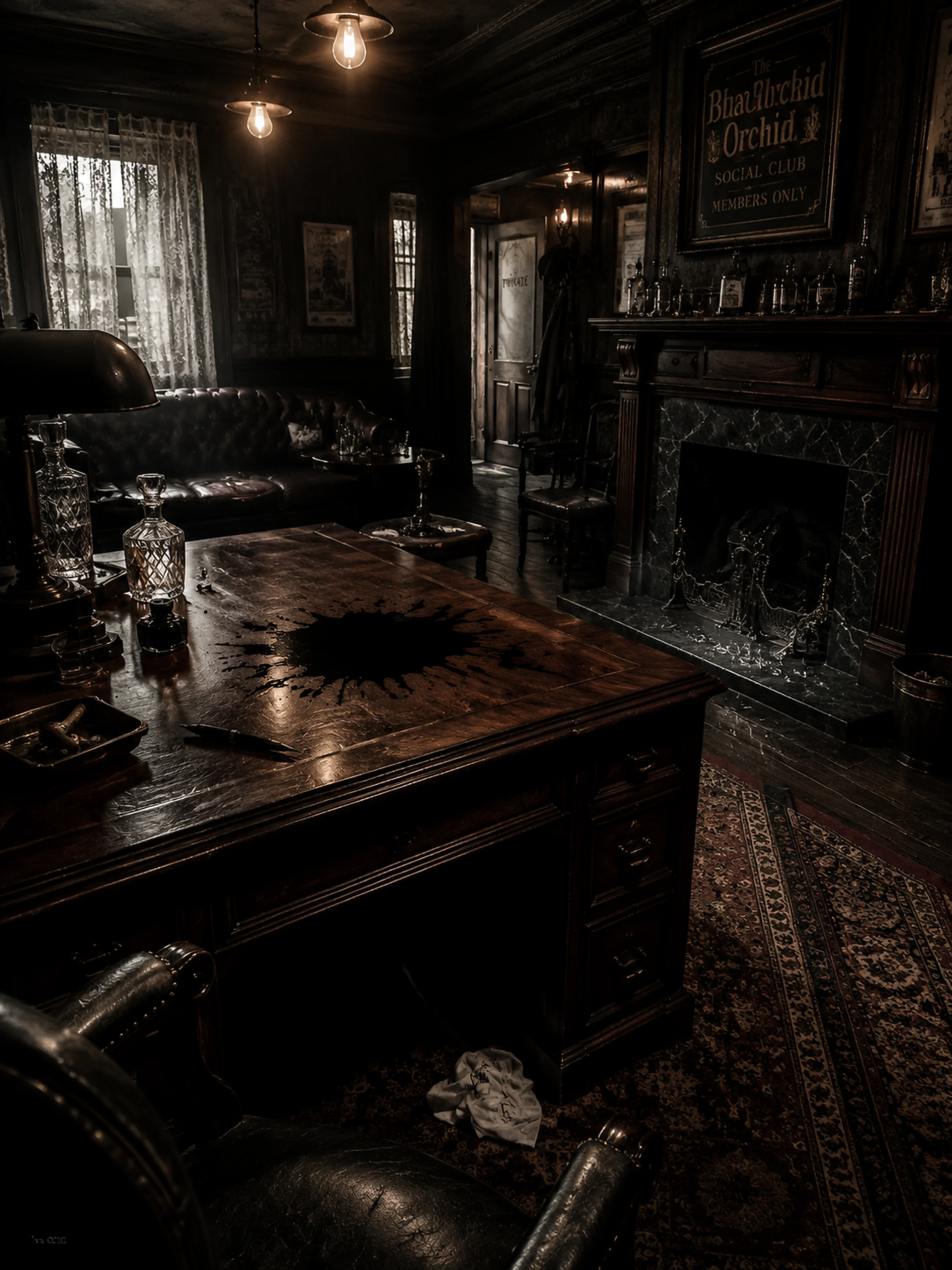
The thick scent of stale perfume and carbolic acid clings to the air. Your footsteps echo faintly on the worn runner rug as you enter, the silence broken only by the distant, rhythmic clatter of a manual typewriter from an upper floor. Your gaze lands on three points of disarray: a large, irregular ink blot darkening the center of a polished mahogany desk, a crescent of clear glass glinting on the hearthstone behind a cast-iron firedog, and a crumpled, monogrammed white handkerchief wedged in the shadows beneath the desk.
 Crime Scene Environment
The lighting is a stifling mix of dim, overhead electric bulbs and the weak, filtered daylight from lace-curtained windows, casting long, soft-edged shadows. The humidity is a palpable, perfumed weight in the air, clinging to surfaces and skin. Acoustic density is low, dominated by the hushed, tentative rustle of paper and the occasional, muffled cough from another room.
 Investigation Constraints
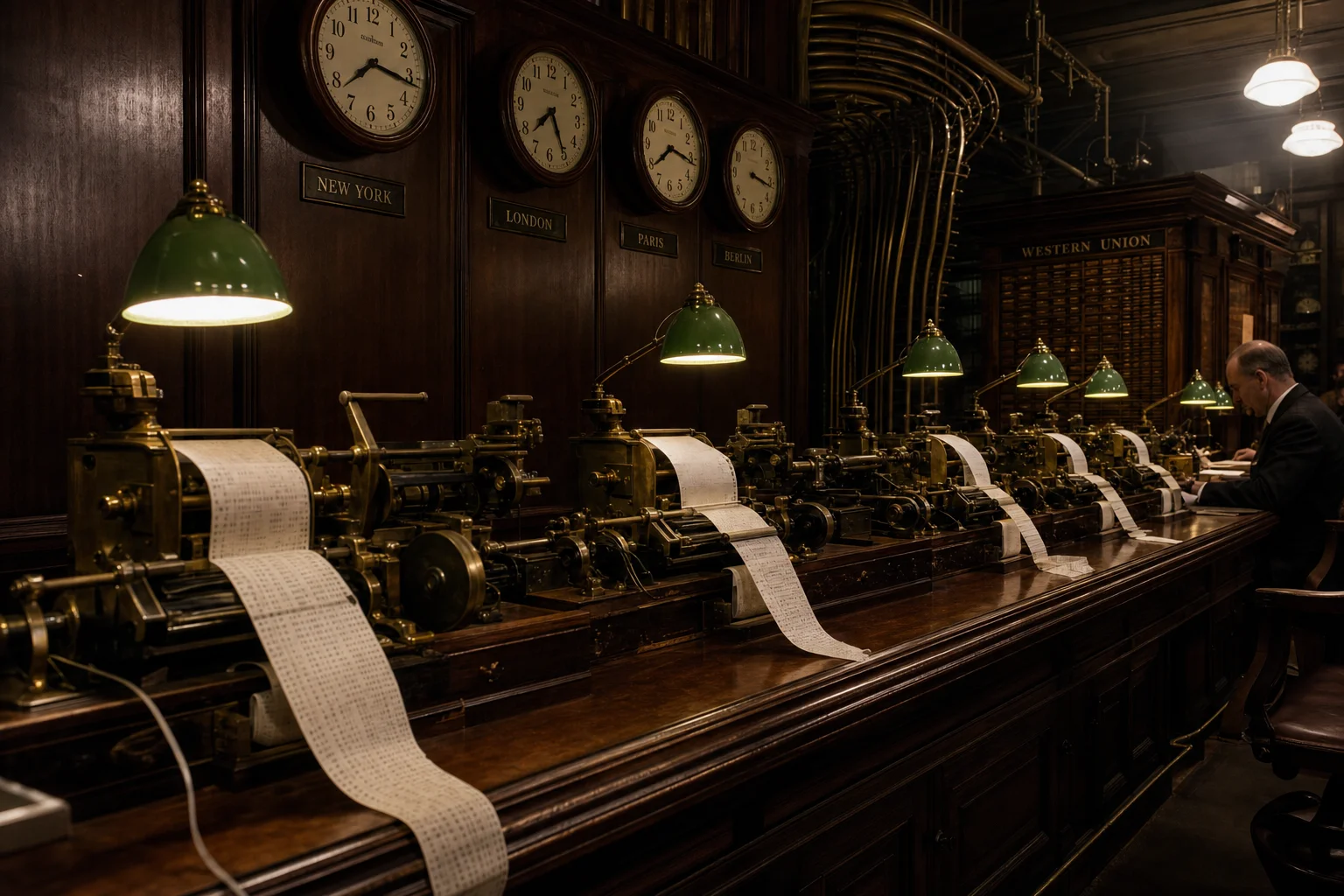
Manual typewriters, carbon paper, rotary telephones (party lines), mechanical cash registers, combination locks, hand-written ledgers, paper contracts, mechanical alarm clocks, mercury thermometers. No electronics, no computers, no digital traces.
✦ Related Cases ✦