A Resonant Departure
A celebrated lead guitarist collapses on stage during a crucial comeback concert. A web of professional anxieties, personal pressures, and technical oversights among the crew and management surrounding the event creates a complex, multi-layered investigation into a tragic incident.
 Initial Crime Scene
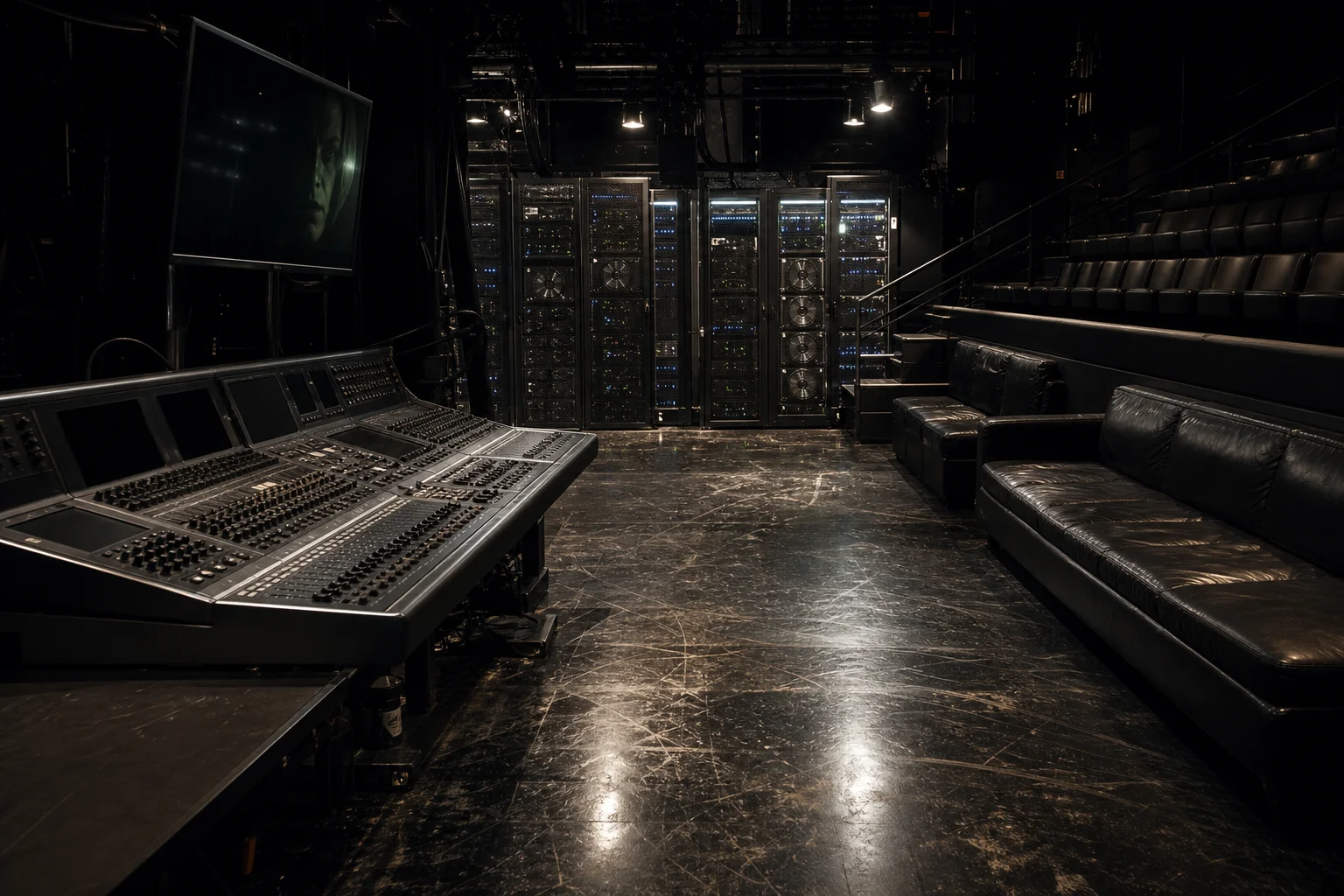
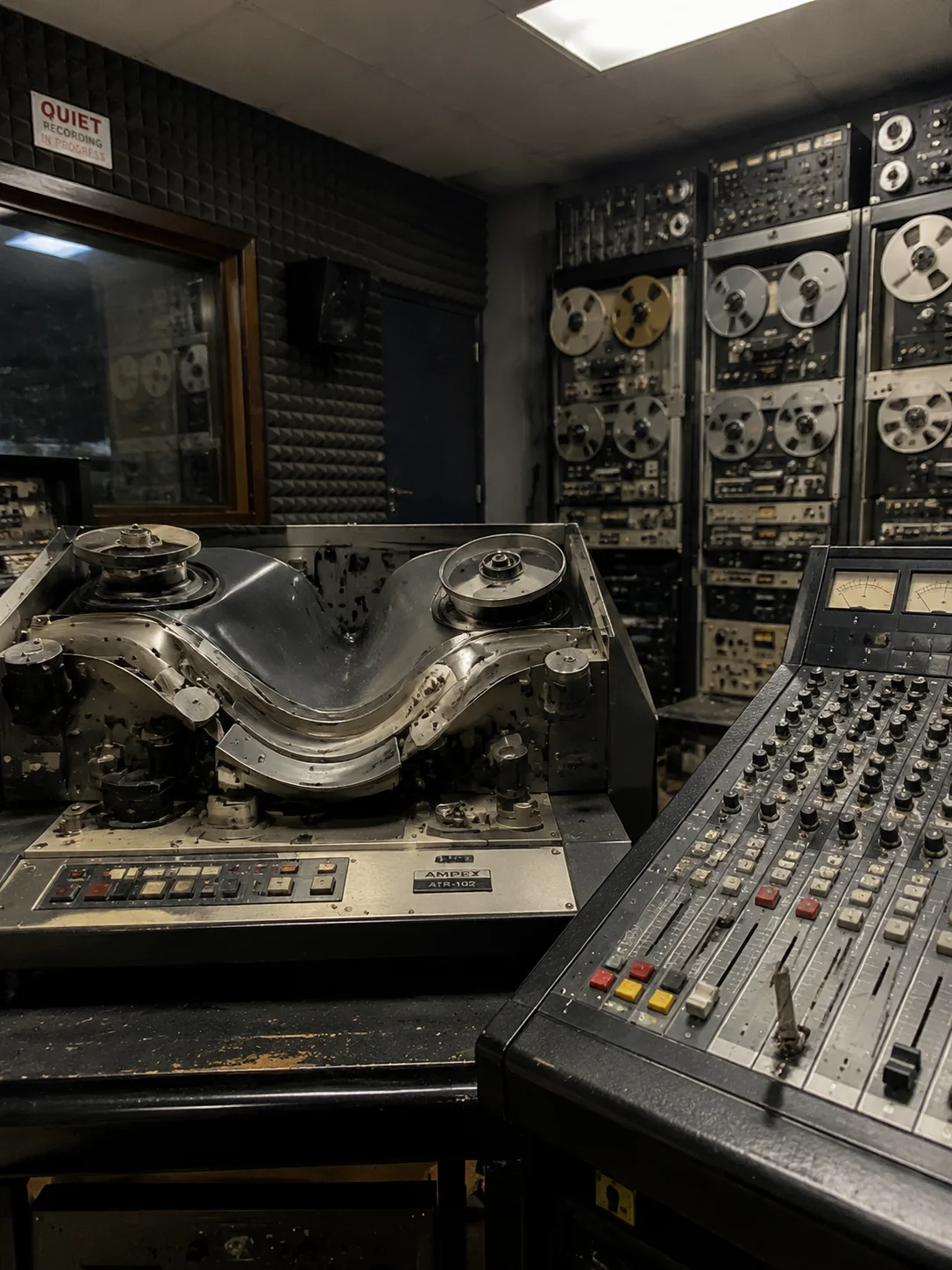
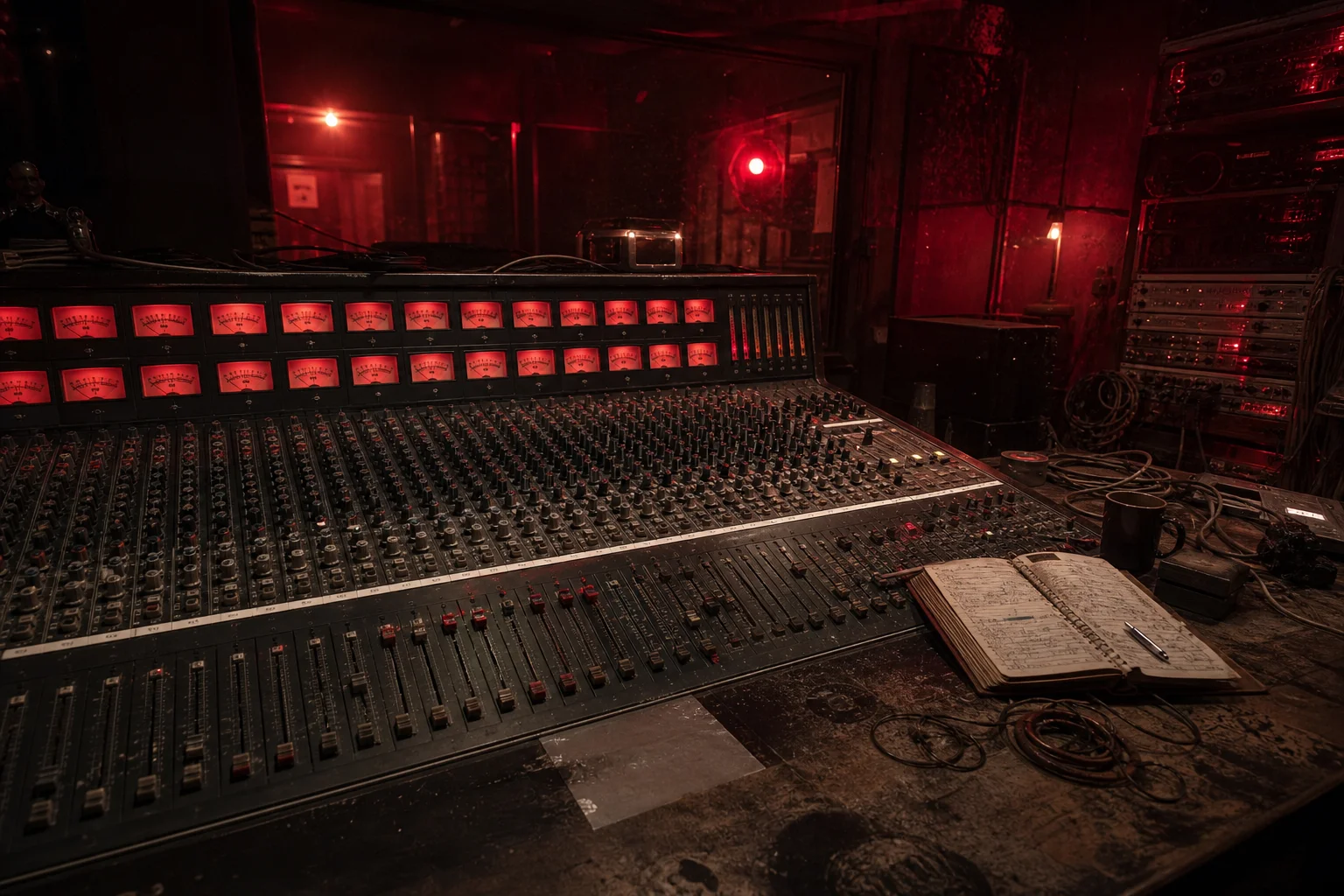
The first thing you register is the scent of hot dust and ozone from vacuum tubes, layered with the faint sweetness of spilled perfume. Your ears catch the low, persistent hum of a massive analog mixing console, its VU meters glowing like watchful eyes in the dim, red-tinted work lights. Before you, a landscape of coffee rings and coiled cables spreads across a Chief Technician's desk. To your left, a leather day planner lies open, its pages heavily dog-eared. Directly ahead, banks of faders and knobs await under the flickering glow, the air in the cramped, soundproofed booth feeling thick and charged with latent electronic potential.
 Crime Scene Environment
The environment is a cramped, soundproofed booth bathed in dim, red-tinted work lights. The air carries a persistent, low-frequency drone from the analog equipment, creating a heavy acoustic density. A faint ozone scent from vacuum tubes mingles with the smell of hot dust. The temperature is cool, stabilized by the equipment, with a notable dryness in the air.
 Investigation Constraints
Late-1990s to early-2000s entertainment tech: analog and early digital mixing consoles, physical stage monitors, proprietary wireless guitar systems, fax machines, paper contracts, physical mail, early cell phones (voice/SMS only), disposable cameras, VHS camcorders, pagers, public payphones, and tabloid gossip columns.
✦ Related Cases ✦