Flight 707: A Systemic Anomaly
An independent investigator is tasked with analyzing the systemic failures and human factors surrounding the Sterling Airlines Flight 707 disaster. The case involves examining log discrepancies, mechanical evidence, and the professional histories of airline personnel to reconstruct the sequence of events.
 Initial Crime Scene
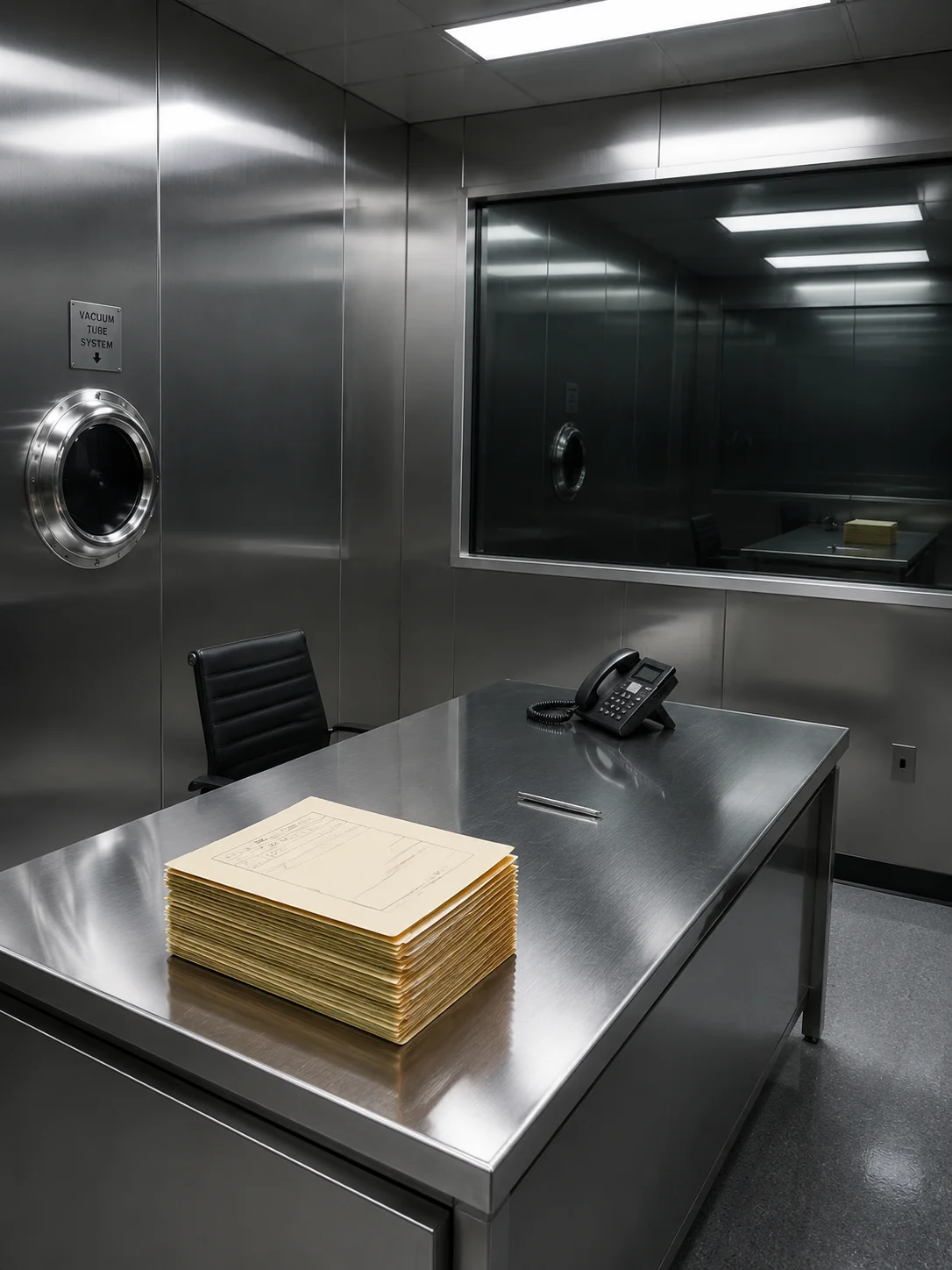
The first breath inside the brushed-steel office is of ozone and clean paper, a sterile scent overriding the distant jet fuel. The hum of the climate-control system is a constant, low-frequency drone. A polished pneumatic tube port glints on the wall, a stack of manila folders lies in geometric precision on the broad desk, and the smoked glass of the window reflects the room's own shadowless fluorescent glare back upon itself.
 Crime Scene Environment
The operational environment is characterized by a shadowless, sterile glare from overhead fluorescent lighting. The air is climate-controlled, producing a cool, dry, and sterile micro-climate. Acoustic density is dominated by the constant, low hum of air conditioning and the faint, intermittent static hiss of radio equipment from adjacent rooms.
 Investigation Constraints
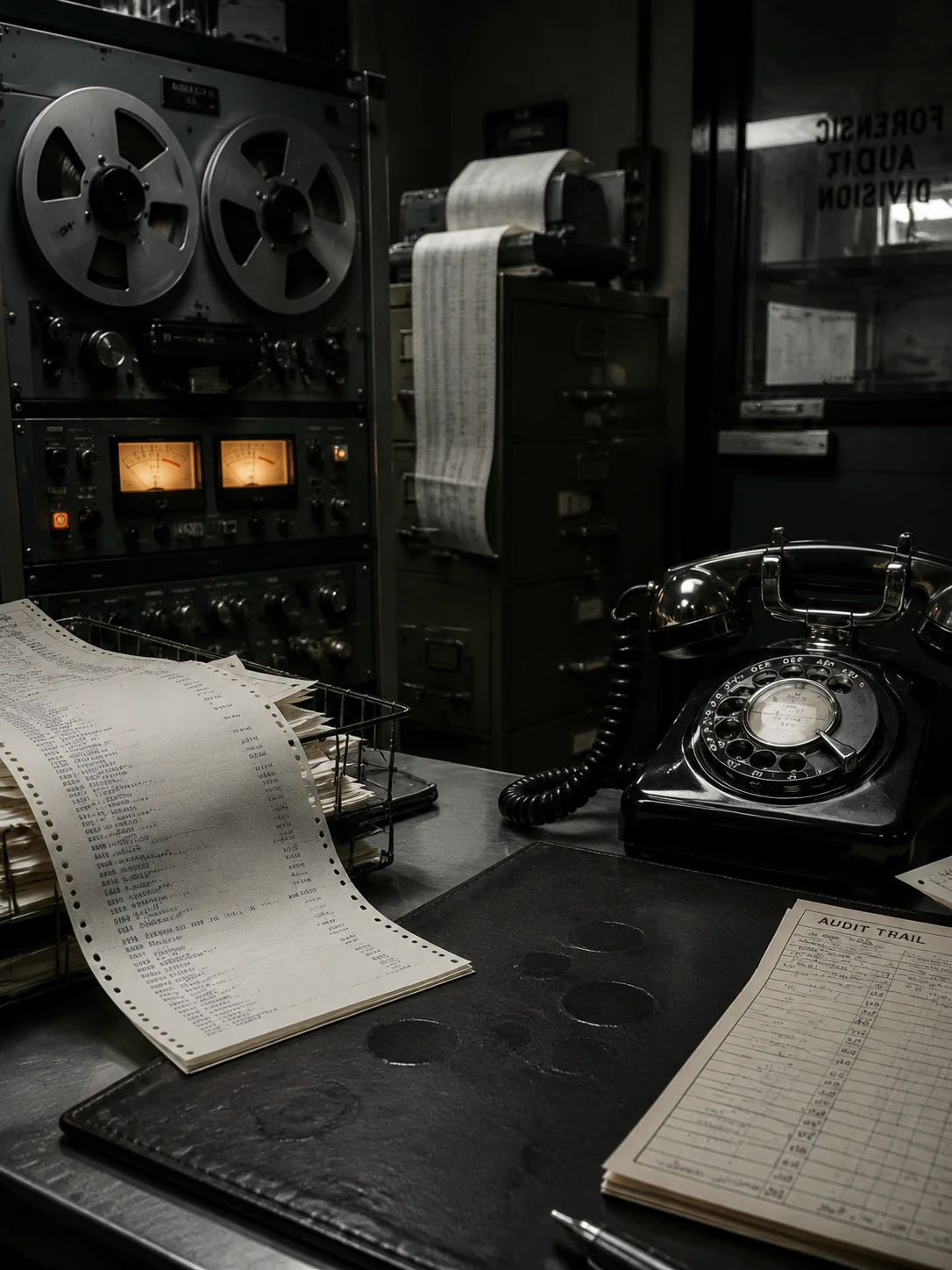
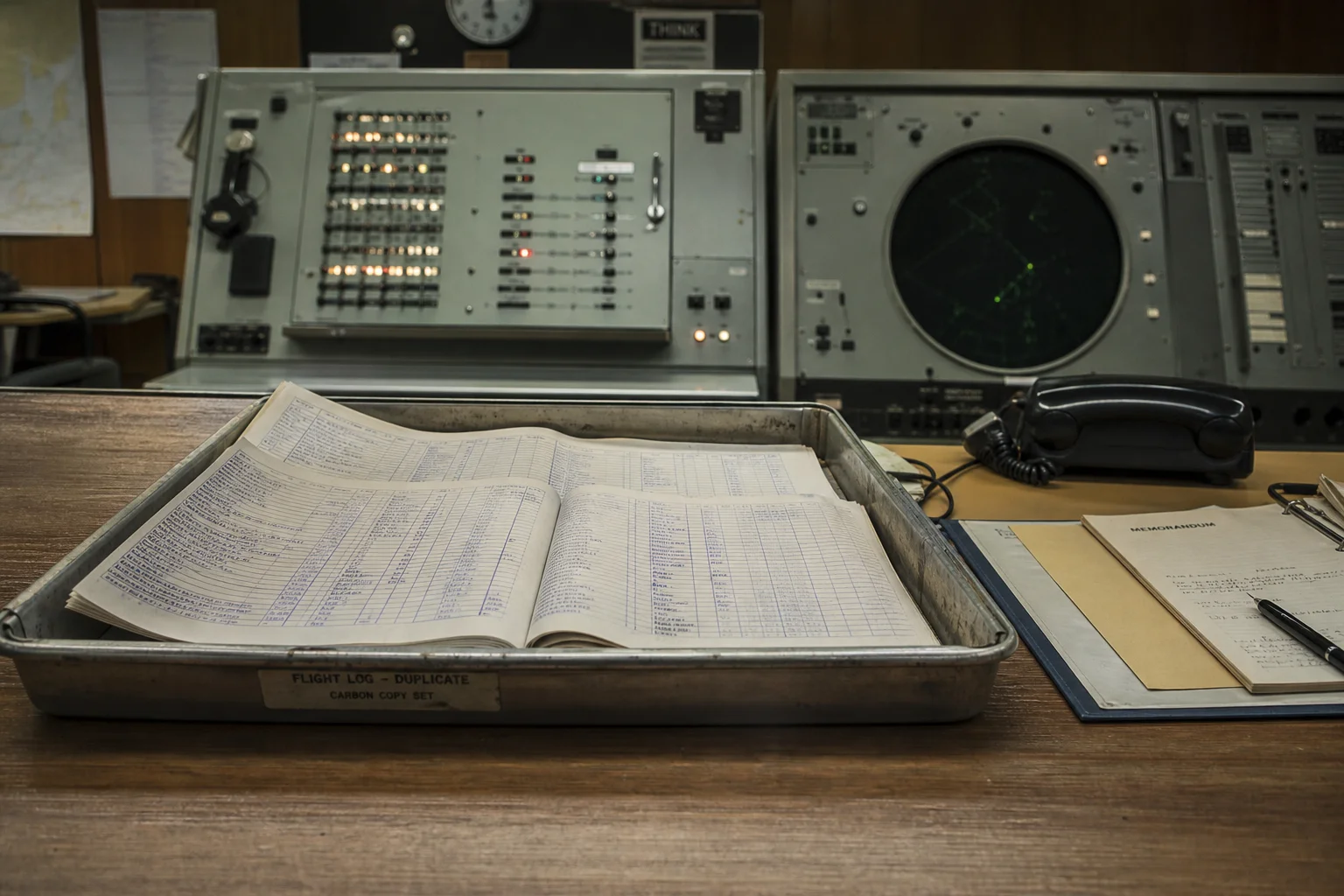
1960s-1970s analog aviation technology. Mechanical flight data recorders (tape-based), physical cargo manifest logs, pneumatic tube messaging systems, rotary dial telephones, basic radar tracking logs (paper printouts), mechanical combination locks on crew-only storage lockers, carbon-copy paperwork, and encrypted Morse code transmissions. No digital systems, no internet, no CCTV.
✦ Related Cases ✦