Orbital Residue
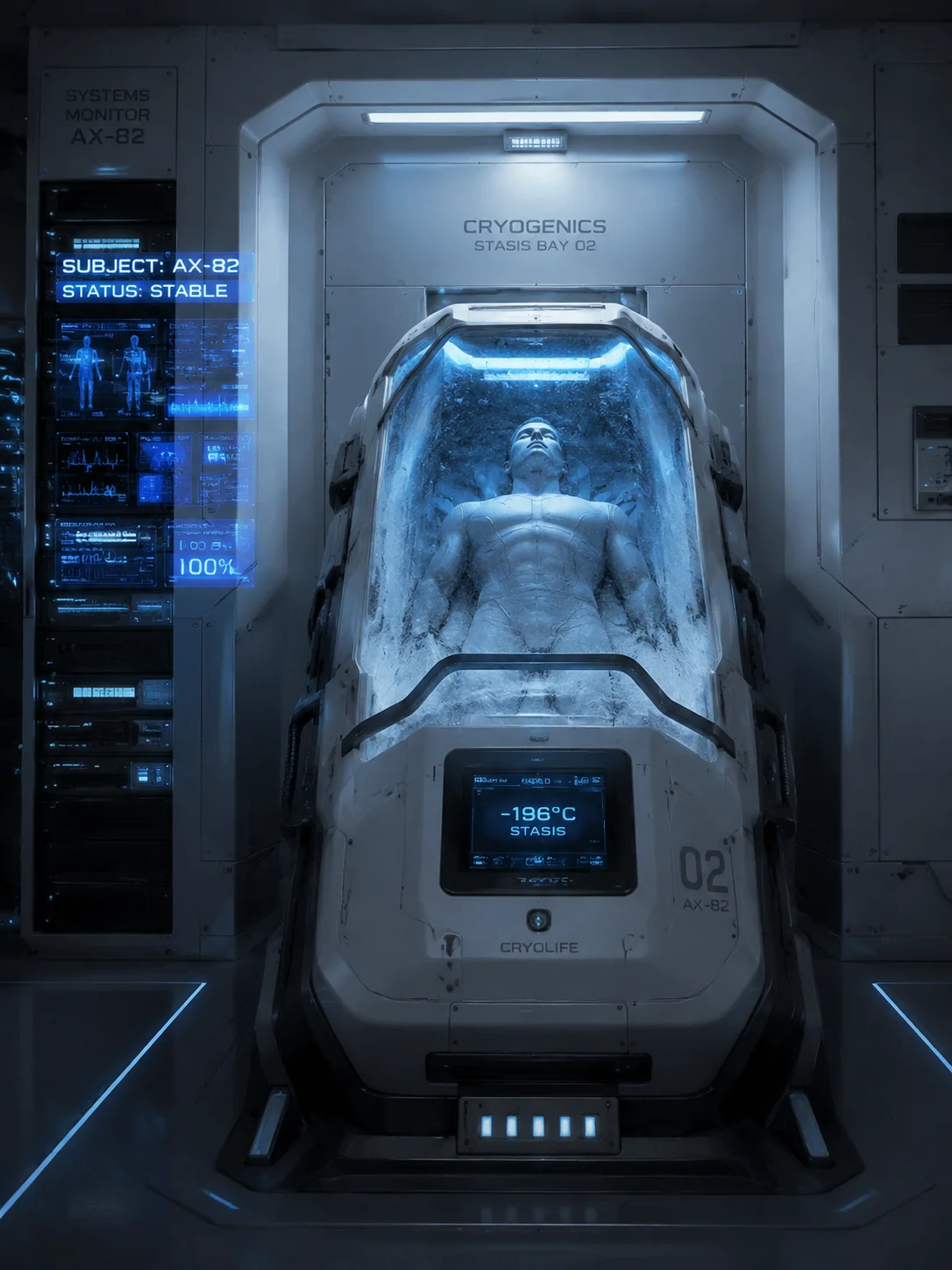
Within the isolated research station 'Cobalt Margin', the lead aerospace engineer is discovered deceased inside his EVA suit. Corporate overseers demand a swift resolution. The station's oxygen consumption logs and human testimonies present multiple contradictions requiring forensic analysis.
 Initial Crime Scene
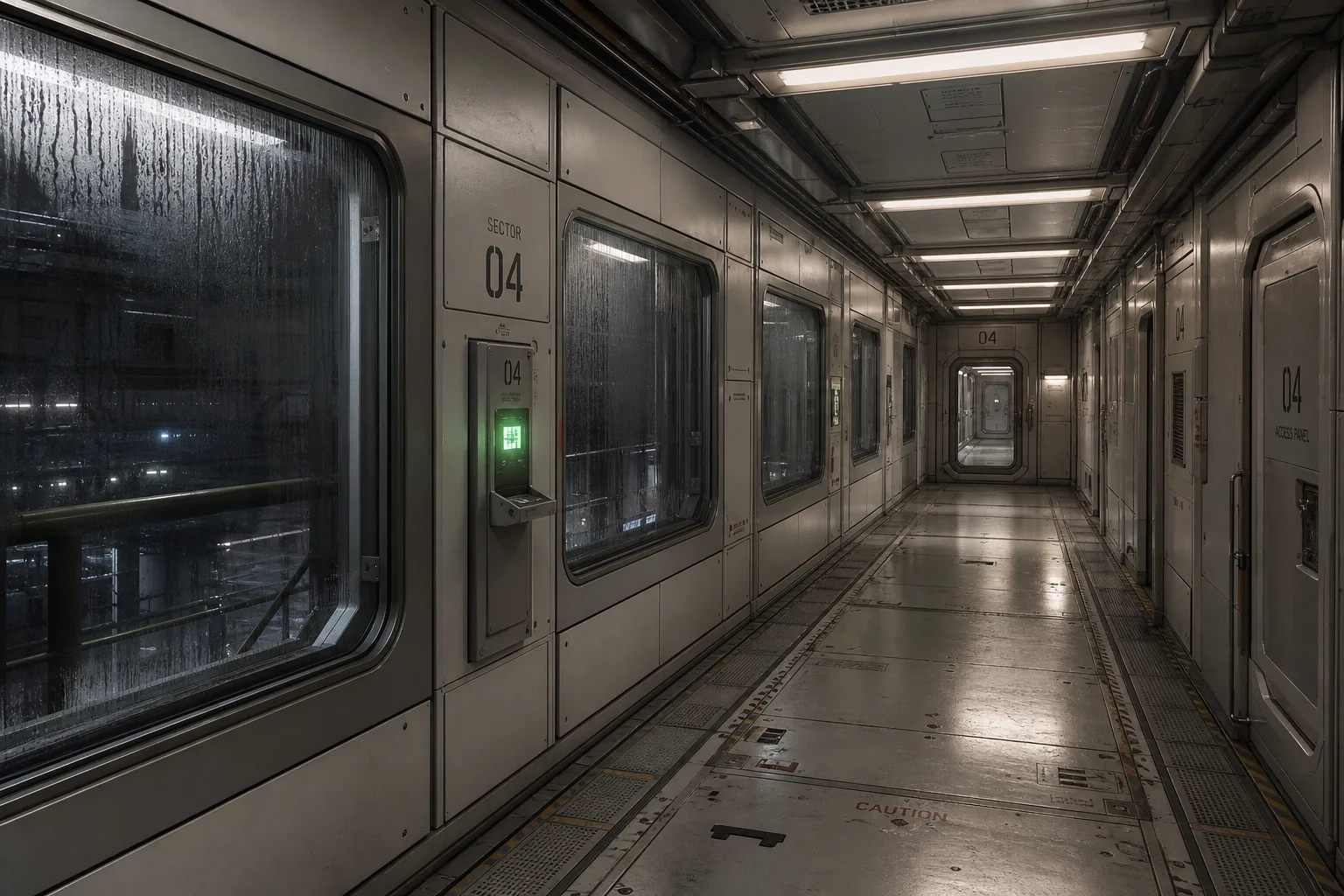
The faint, metallic ozone smell from the air recyclers is the first sensory data point. Condensation trails streak the internal viewports from the cooling cycle. The subtle flicker of a biometric scanner's green 'verified' light holds steady. Scuff marks on the deck plating show a pattern of concentrated, local activity near access panels. A constant, low hum of pressurized filtration fills the corridor.
 Crime Scene Environment
The station's lighting profile is a consistent, sterile, anodic illumination from overhead strips, casting sharp shadows. The humidity is low, with a constant, pressurized, metabolically dry feel to the air, cooled by intermittent cycles. The acoustic density is high, characterized by the constant hum of life-support machinery and the pressurized silence between operational sounds.
 Investigation Constraints
Biometric door seals requiring palm-print and retinal scan. Centralized life-support and oxygen consumption logs with timestamped entries. Standardized EVA suit internal telemetry (heart rate, O2 mix, CO2 scrubber efficiency) transmitted to the station's mainframe. Secure internal comms with message logs. Corporate-grade encrypted data slates for personal logs. Forensic spectrometers for residue analysis. No external FTL comms; all messages are relayed via a scheduled comms-satellite window.
✦ Related Cases ✦