Sector Seven Static
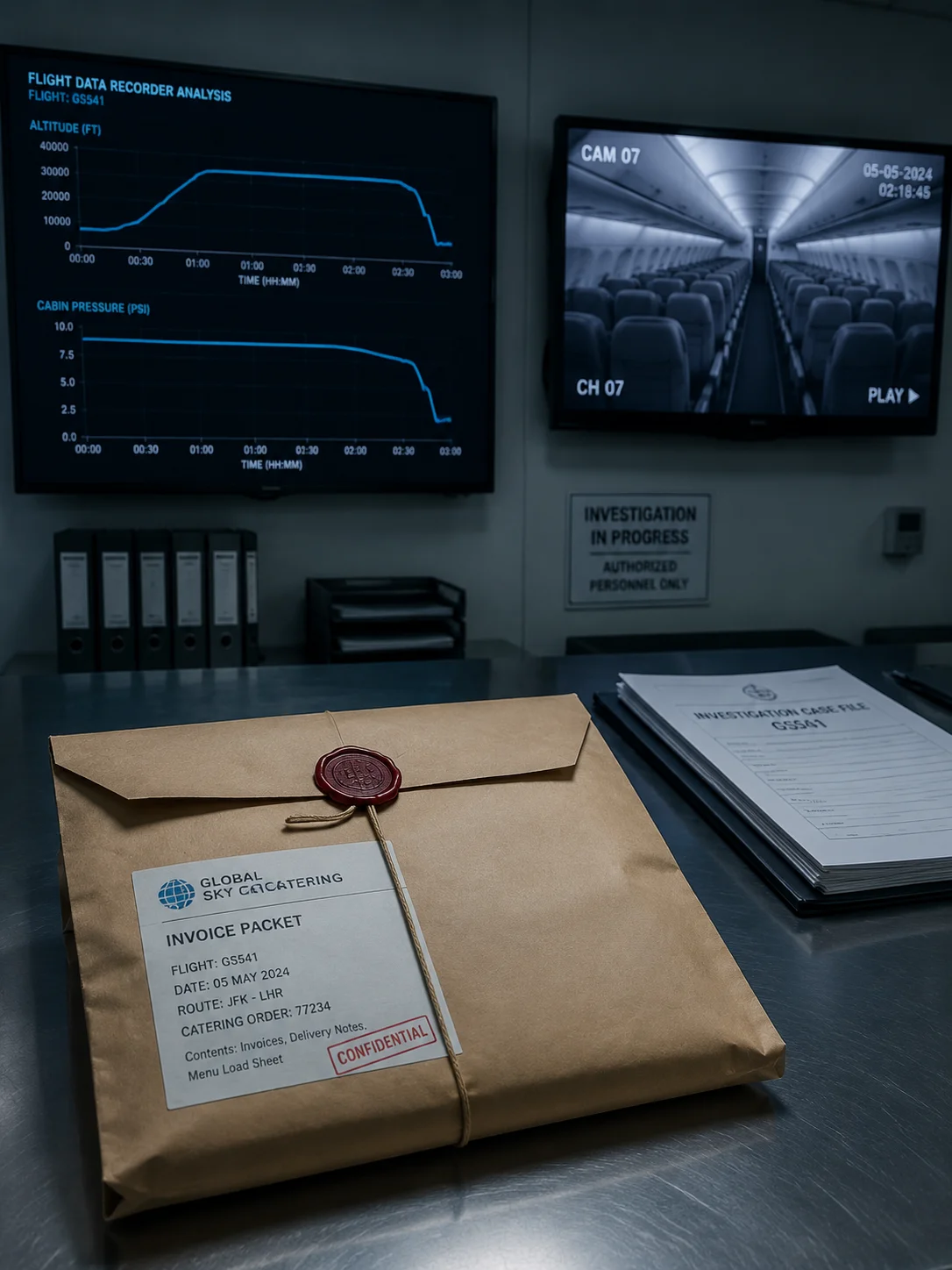
A scheduled handoff between two ATC centers results in a critical 90-second recording gap during a commercial flight's disappearance from radar. The investigation navigates a landscape of precise timestamps, conflicting climate logs, and shredded paperwork to reconstruct the unbroken procedural chain.
 Initial Crime Scene
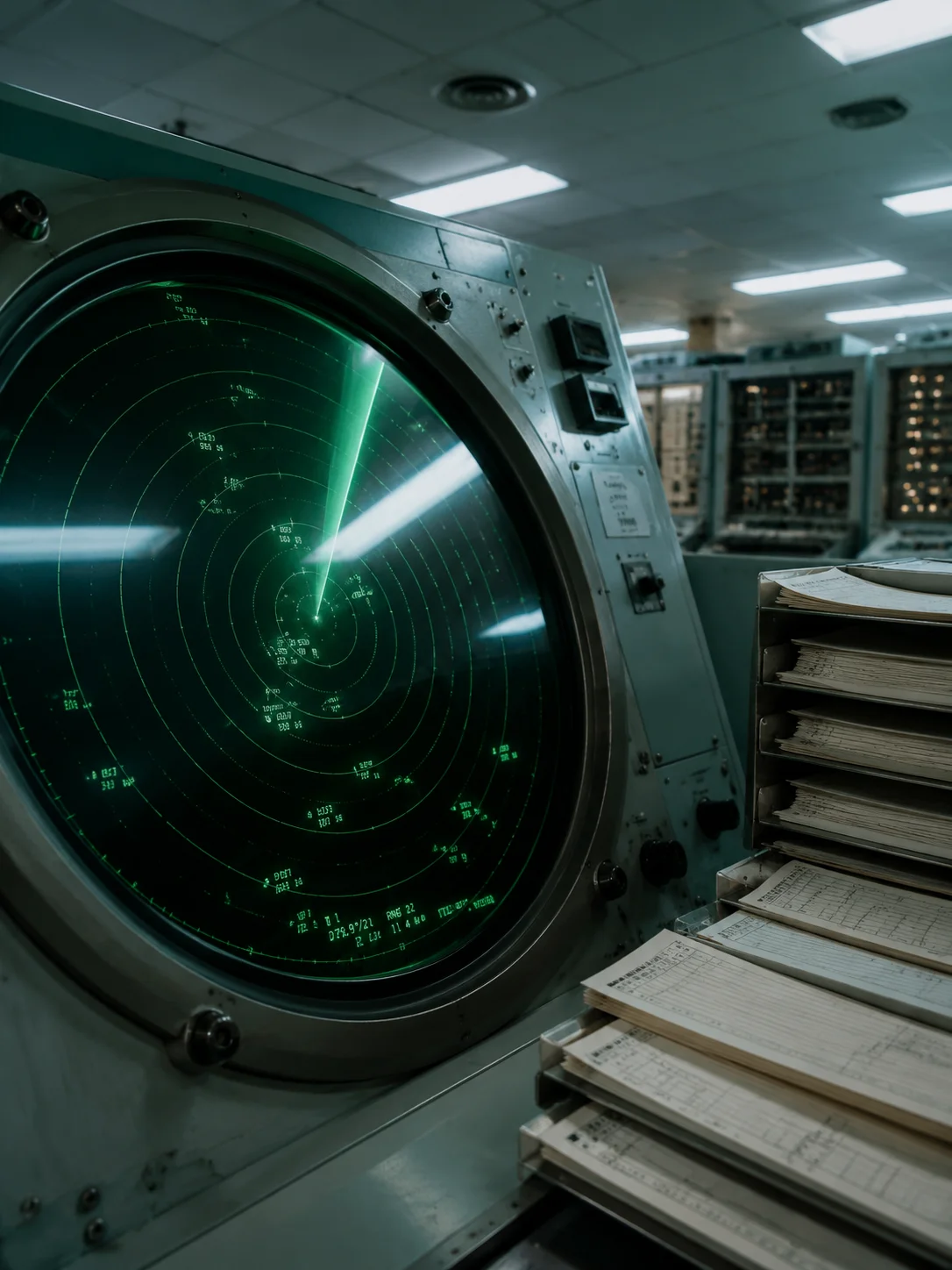
The first thing that hits is the sterile, ozone-tinged air. It carries the faint, warm smell of overheated electronics from the recording stacks. The analog hum of transformers forms a constant, low-frequency drone. Fluorescent glare reflects off the polished glass face of a primary radar display, its green sweep illuminating racks of paper flight strips, their carbon-paper duplicates crinkled under repetitive handling.
 Crime Scene Environment
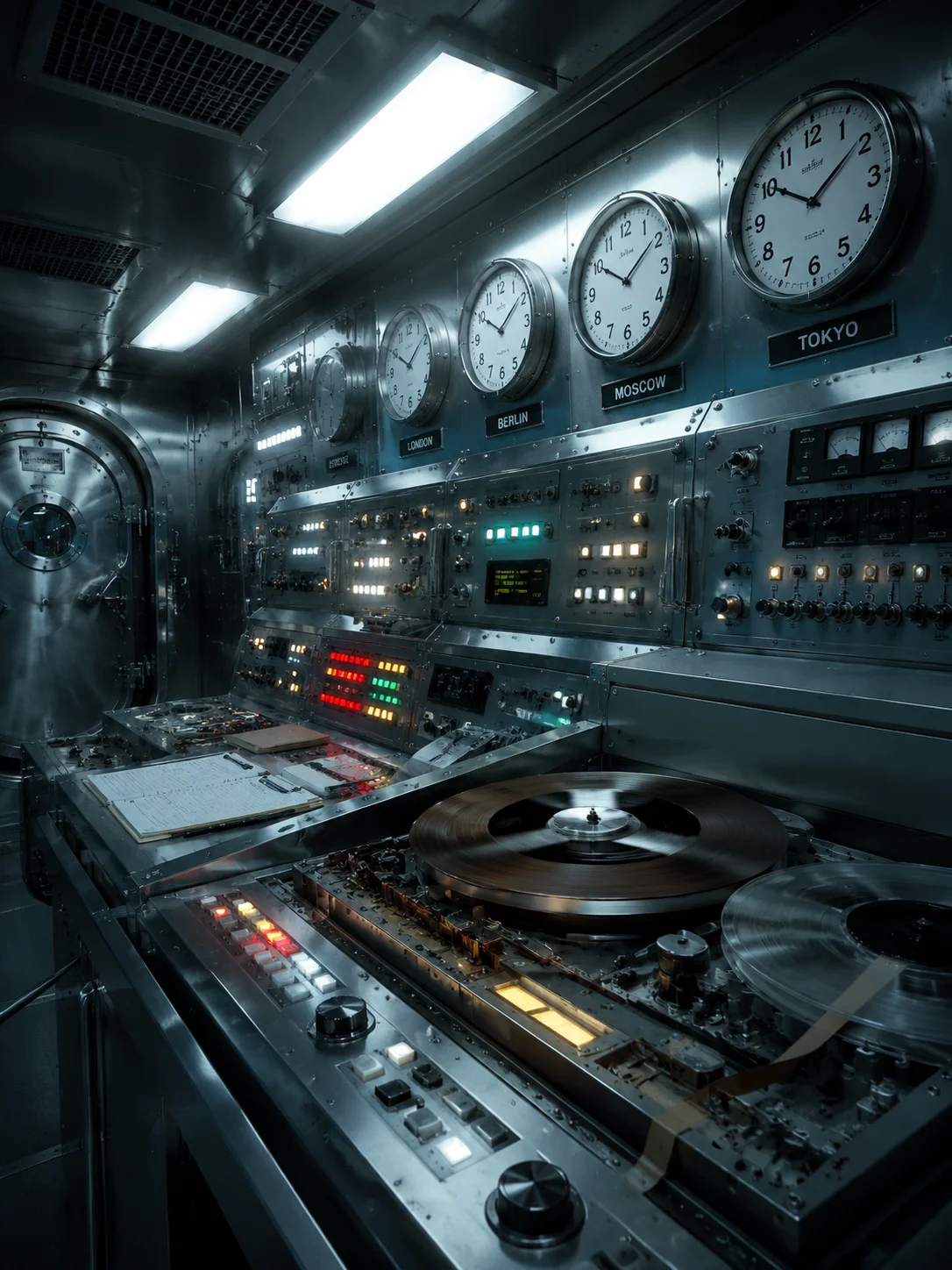
Lighting is a constant, shadowless fluorescent glare from overhead panels. The air is cool, dry, and climate-controlled, maintained at a protocol-bleached humidity level. Acoustic density is a layered drone of electrical hum, the soft whir of magnetic tape reels, and intermittent radio hiss from patched channels.
 Investigation Constraints
Radar systems with magnetic tape recording, proprietary airline dispatch networks, landline telephone patching systems, pneumatic tube message delivery in control towers, analog flight data recorders (FDR), paper-based flight progress strips, local area network terminals for flight plan filing, encrypted radio channels for pilot-controller communication.
✦ Related Cases ✦