The Alpine Gateway
A pioneering passenger flight from Zurich to London is lost in a remote alpine pass during a blizzard. The mountain innkeeper is the sole witness. The survivors, a collection of society's elite and their dependents, are snowed in. Professional reputations are balanced as the nature of the 'accident' is called into question.
 Initial Crime Scene
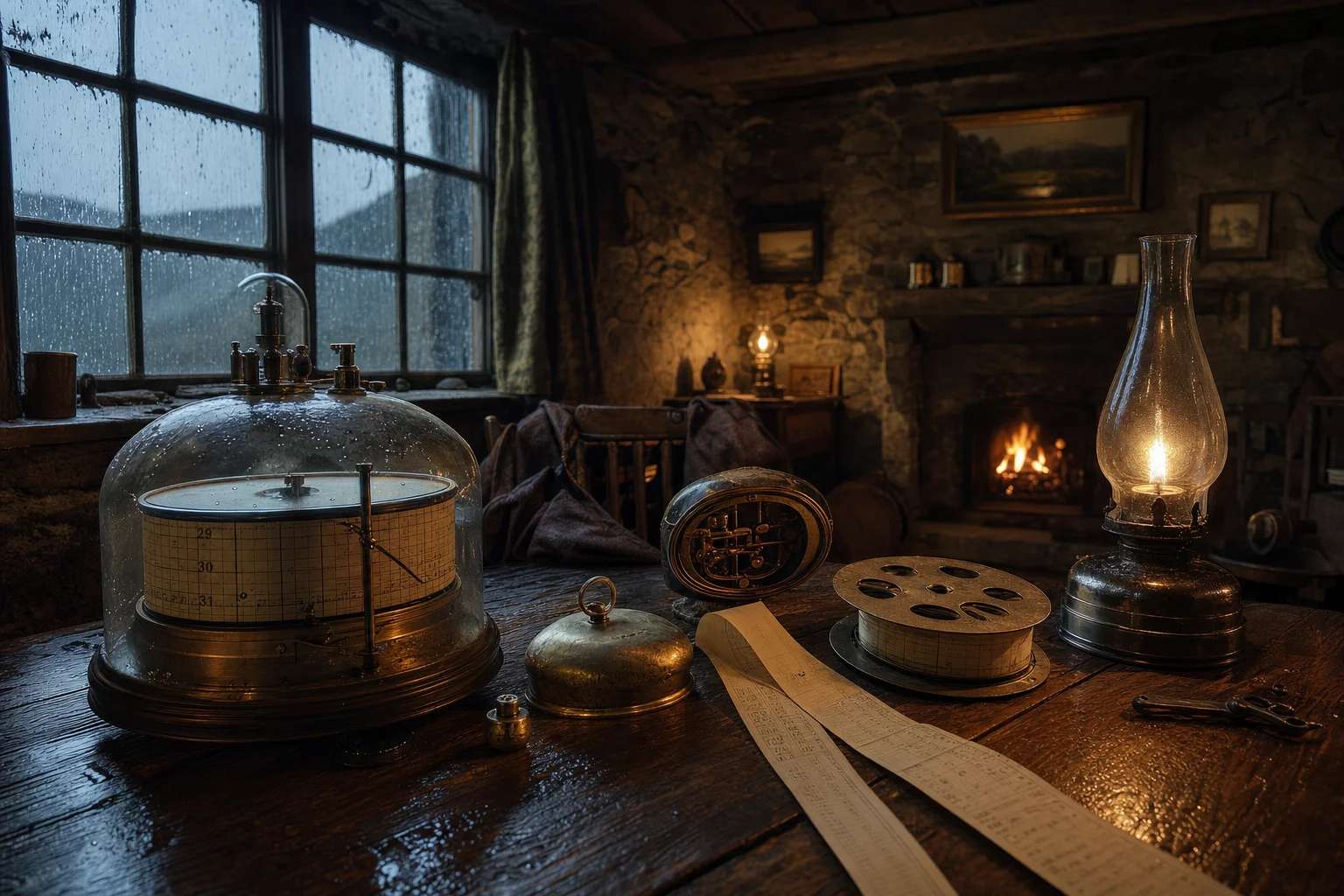
The scent of damp wool and woodsmoke hangs thick in the low-ceilinged room. Outside, rain streaks the leaded panes of the inn, blurring the view of the dark tarmac. A barograph's aneroid cell casing lies on a scarred oak table, its surface etched with fine, directional scratches. Beside it, a spool of telegraph tape hangs silent, its punched holes a cryptic sequence in the weak lamplight.
 Crime Scene Environment
A climate of cold-edged, claustrophobic pressure. The lighting is low, cast by oil lamps and the flicker of a stone fireplace, creating deep shadows and gleaming highlights on brass instruments. The air is heavy with the smell of damp wool, woodsmoke, and metallic stress. Acoustic density is high: the continuous, low hiss of the telegraph tape's residual static, the occasional crackle of the fire, and the muted, tense voices of survivors punctuated by long silences.
 Investigation Constraints
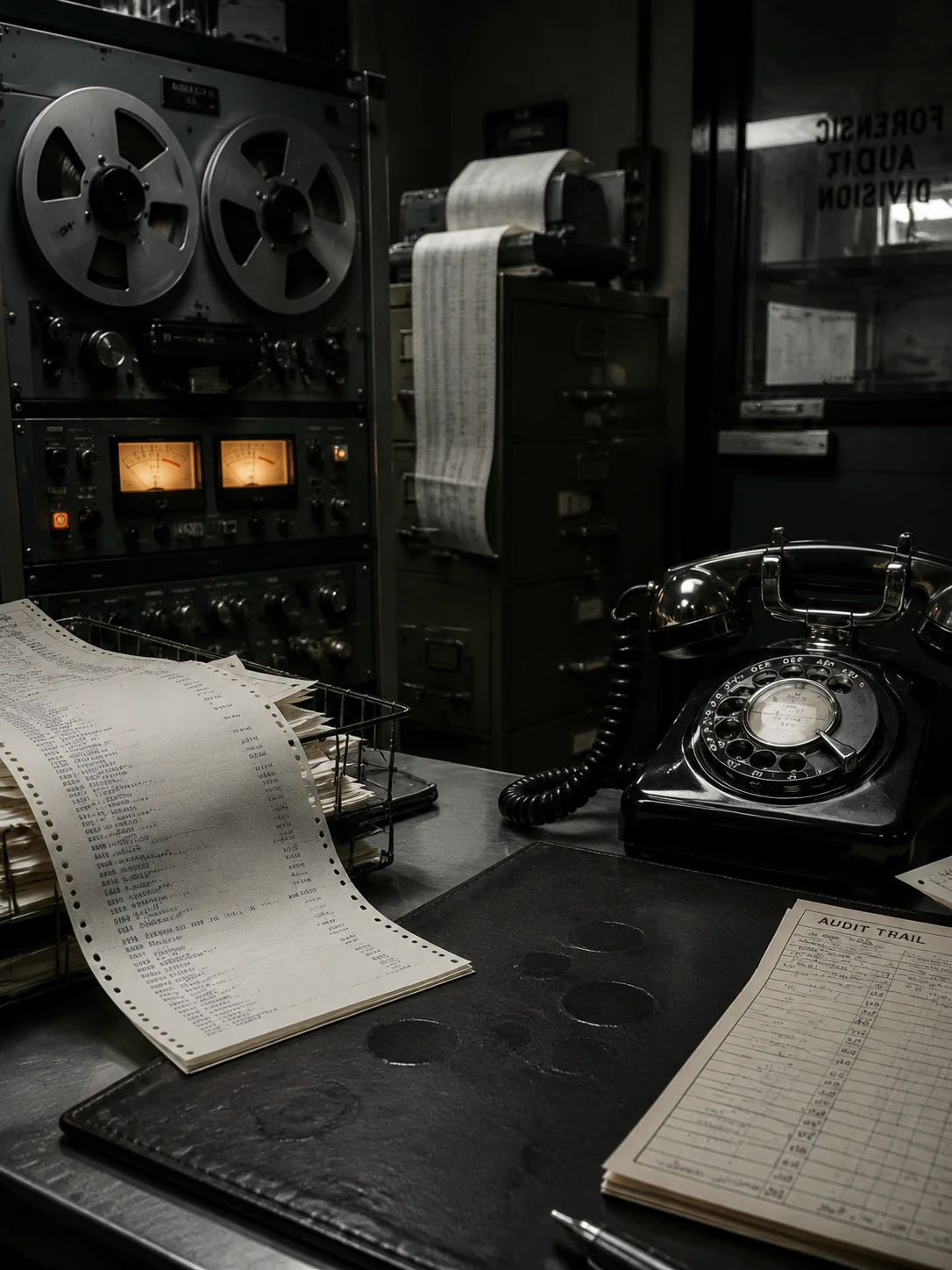
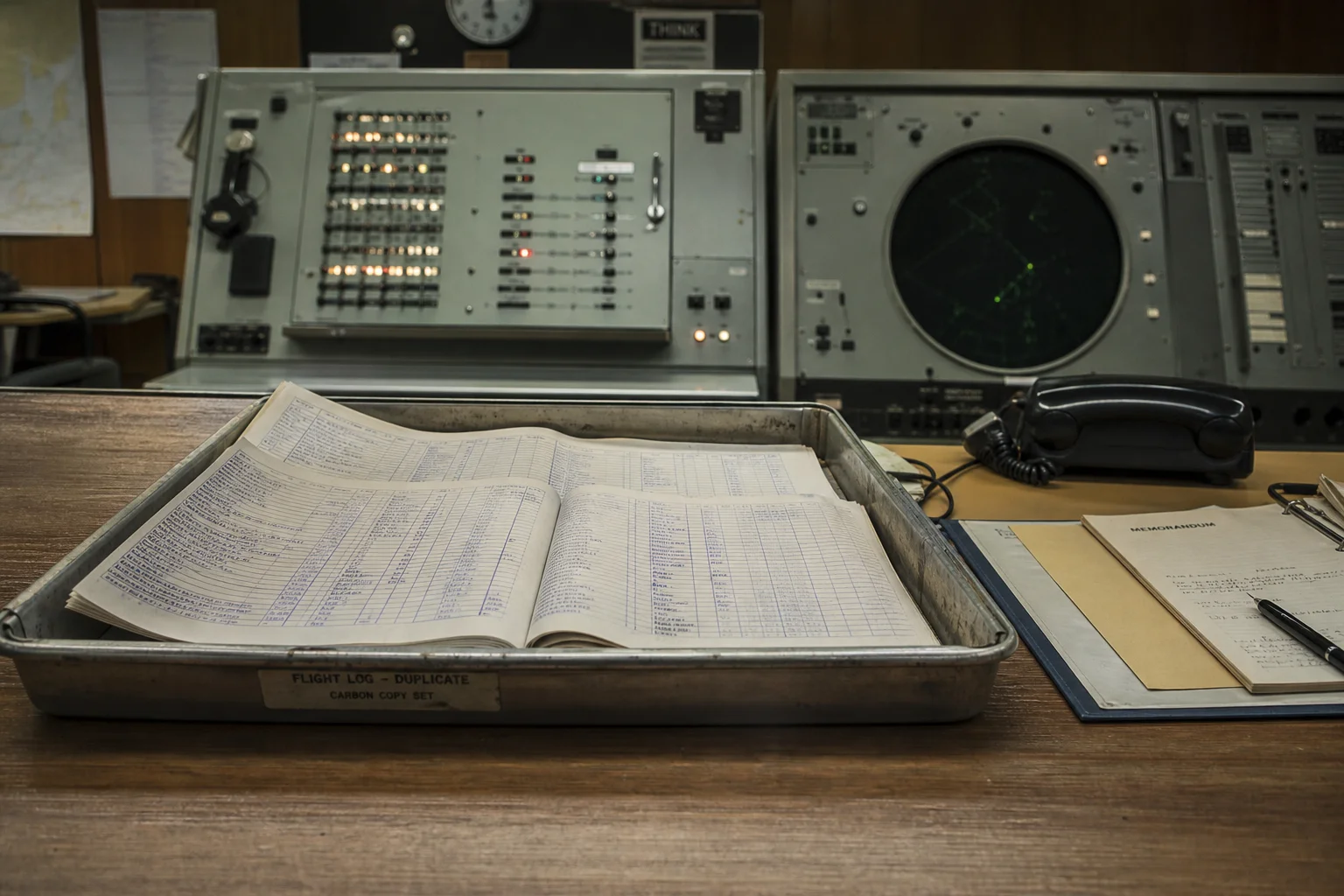
1930s international aviation infrastructure. Radiotelegraphy (Morse code) for distress and weather reports. Mechanical flight data recorders (barographs, airspeed indicators, engine tachometer logs) requiring physical recovery. Pre-digital, multi-layered paper and carbon-copy manifests, weight logs, and maintenance charts. Early synthetic polymer adhesives and lacquers. No micro-electronics, no digital storage, no instant global communication. Information travels at the speed of telegraph wire and physical courier.
✦ Related Cases ✦