The Ancestral Draft
An independent investigator is called to Blackwood Manor following the discovery of its patriarch deceased within a sealed section of the house. The household presents a facade of polite, perfunctory cooperation, yet each member clutches their own tarnished secret.
 Initial Crime Scene
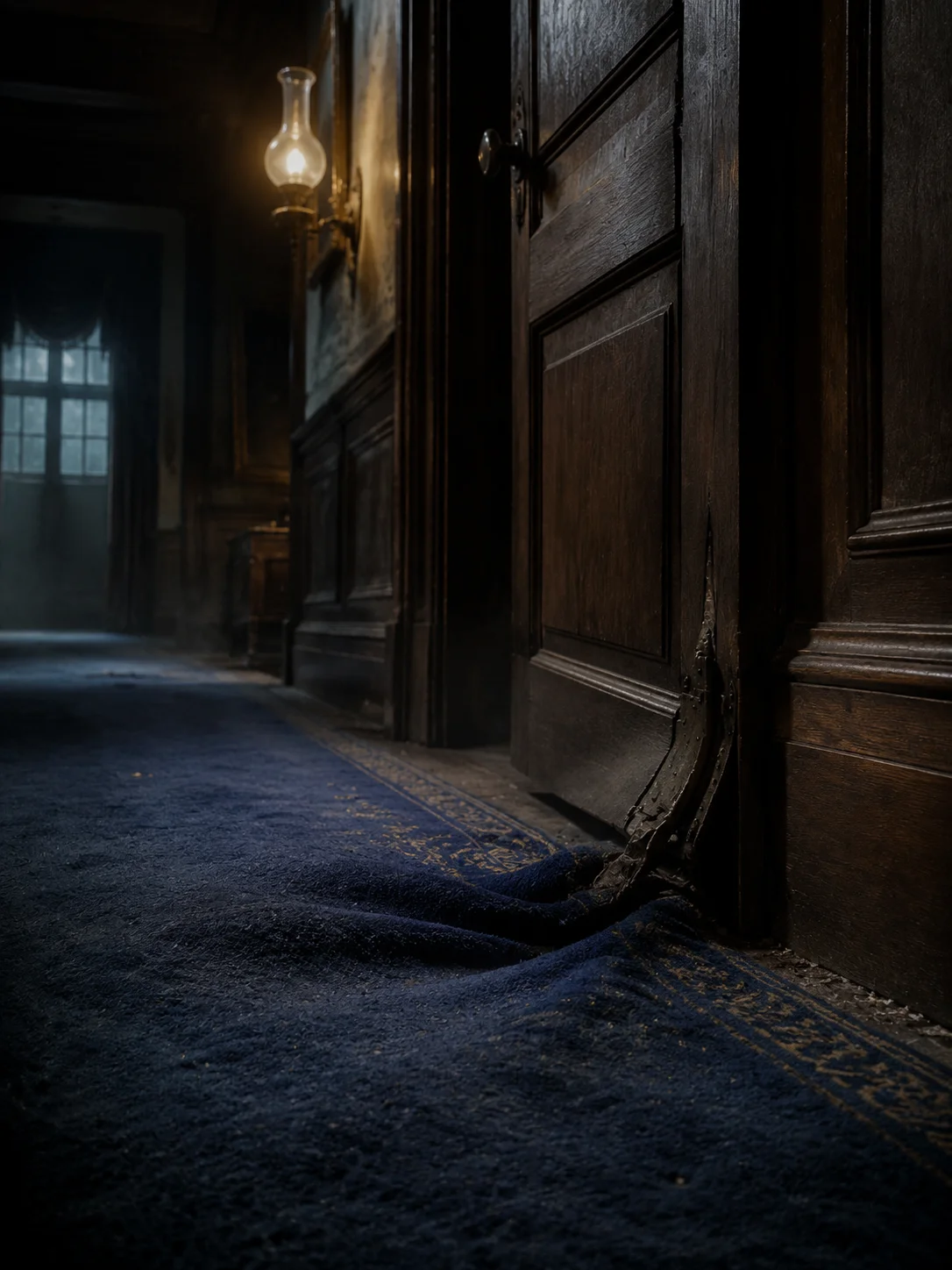
The scent of cold stone and old pipe tobacco hits you first, a musty greeting from the house's depths. A draft of chill air whispers from a crack in the wainscoting, making the gas lamp's flame flicker and the shadows on the deep blue plush wool runner dance. Your gaze follows the draft to a heavy oak door, its lower hinge visibly buckled inward. The runner beneath your feet shows a deep, concentrated indentation in its pile.
 Crime Scene Environment
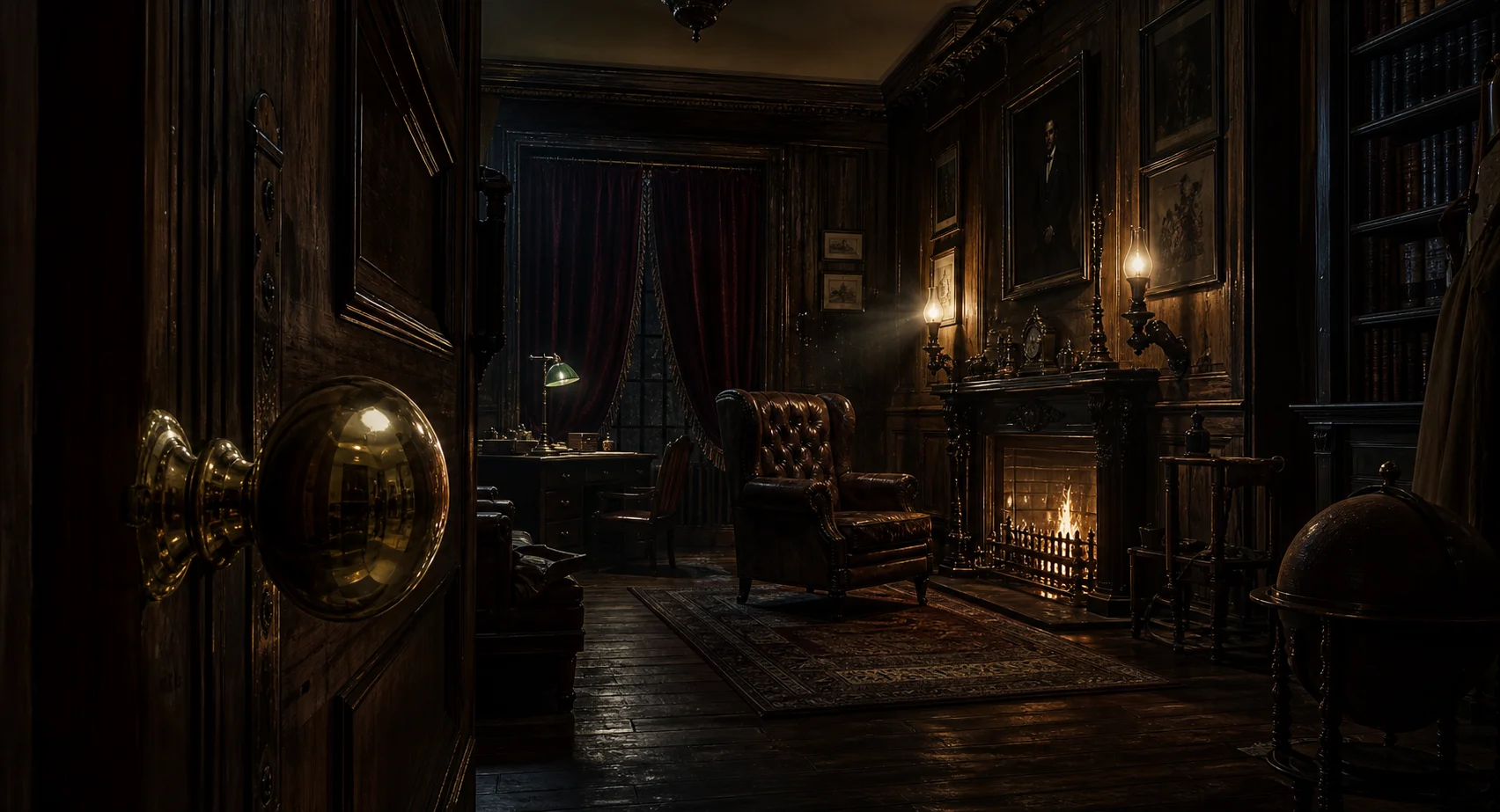
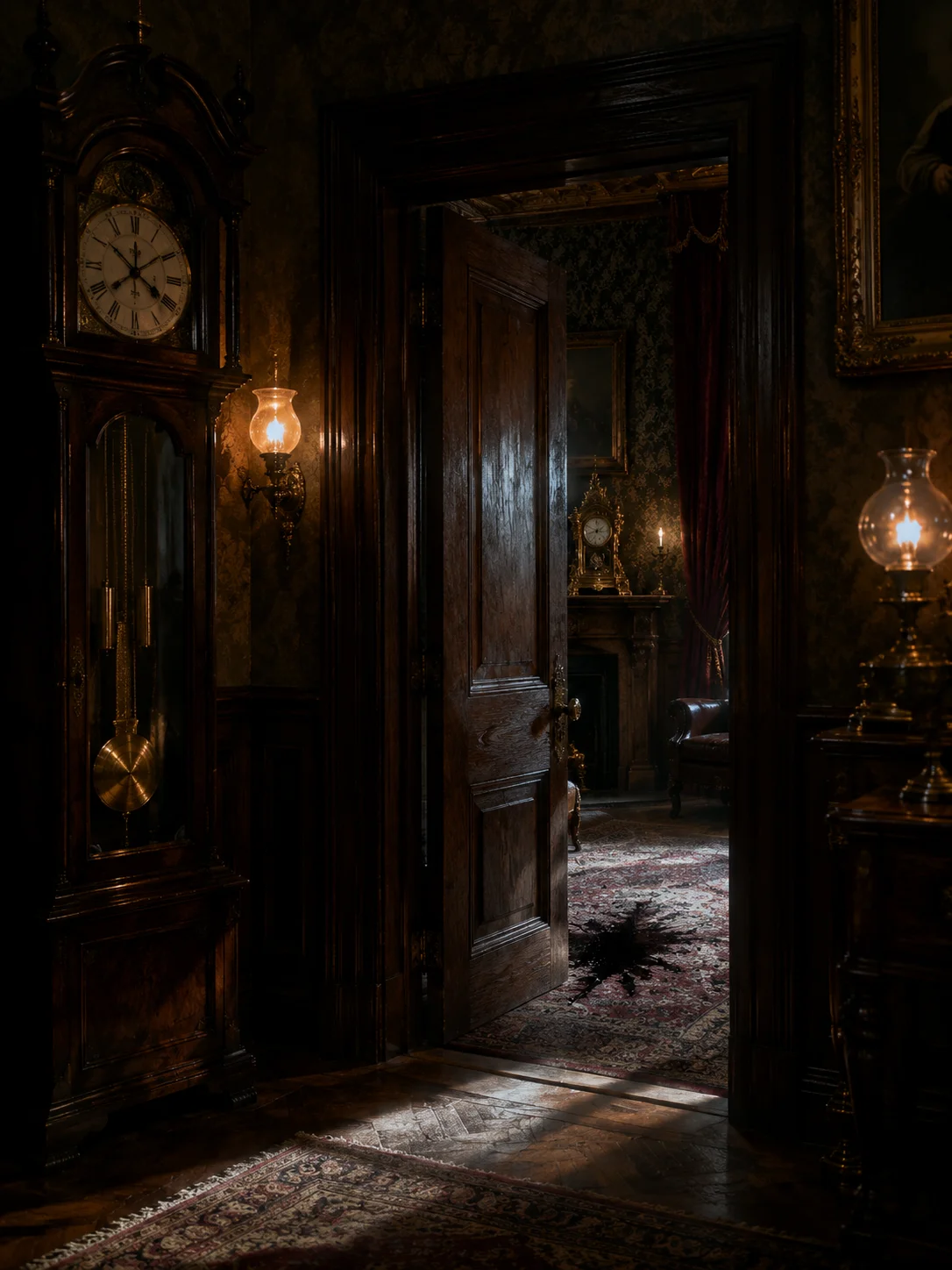
A pervasive, hushed atmosphere defines the manor's interior. Lighting is low and uneven, sourced from flickering gas lamps and weak oil lanterns, casting long, moving shadows. The air is cool and carries a constant, perfunctory draft, with acoustic density muffled by thick wool carpets and paneled walls, where sounds are swallowed, leaving only faint, distant ticks and whispers.
 Investigation Constraints
Edwardian-era domestic tools: mechanical pocket watches, wind-up clocks, oil lamps, gas lighting, manual door locks with physical keys, handwritten ledgers and diaries, candlestick telephones (rare, central location), manual typewriters, paper correspondence via post. No electricity, no cameras, no forensic science beyond basic observation.
✦ Related Cases ✦