The Brand-Safe Space
During a live broadcast event, the host of a reality television program collapses. An independent investigation is initiated into the circumstances surrounding the incident, focusing on the digital and physical footprints left within a high-stakes media production environment.
 Initial Crime Scene
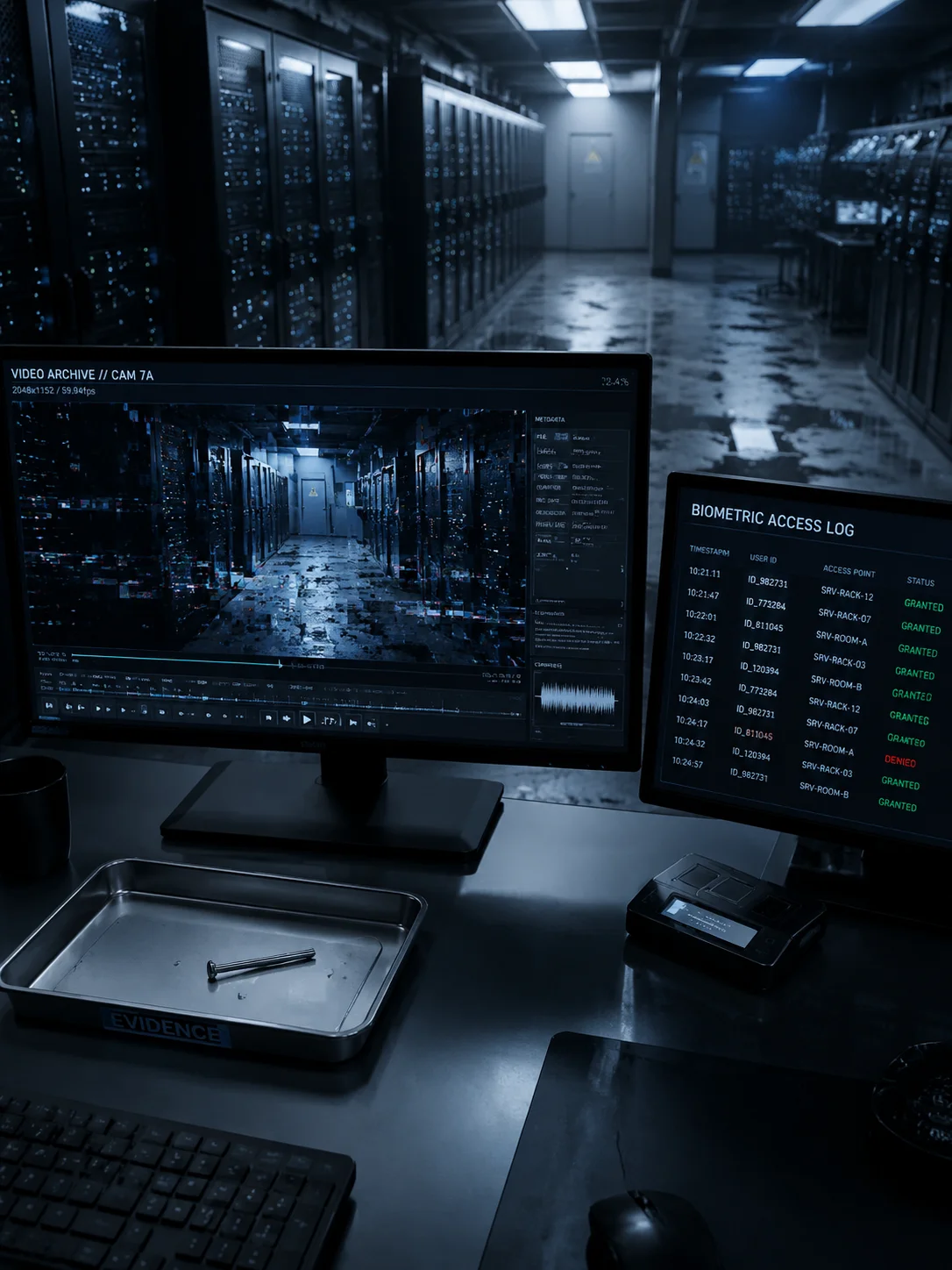
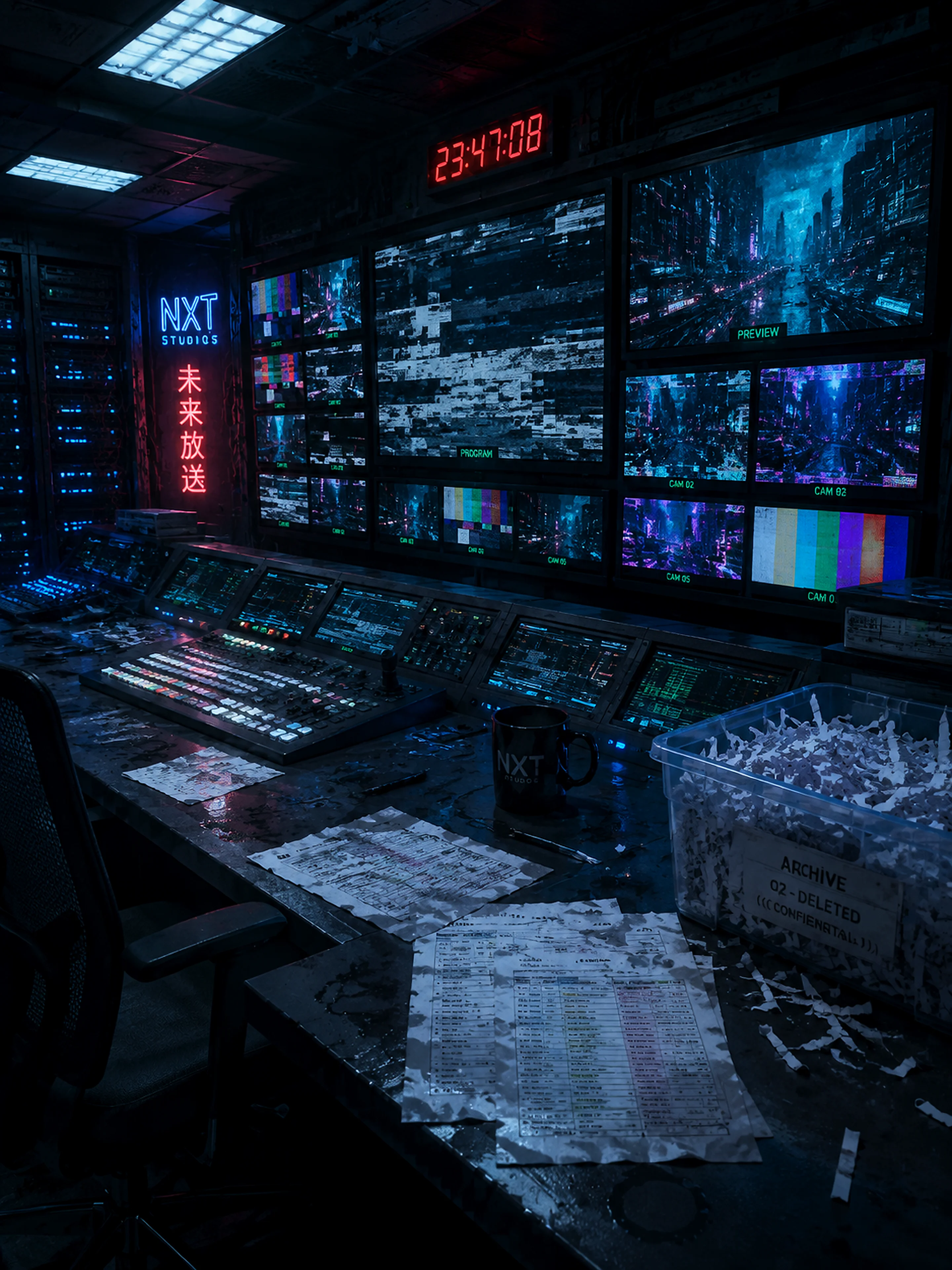
The air carries the stale scent of spilled energy drinks and ozone from server racks. A low, persistent hum emanates from a bank of monitors displaying looping, glitched video feeds. On a polished desktop, a condensation ring soaks into a stack of printed schedules, while a shredded document lies in a clear plastic bin, its brand-safe text cut into illegible ribbons.
 Crime Scene Environment
The lighting is a flat, aspirational glare from overhead fluorescents, creating sharp, unforgiving shadows. The ambient air is cool, dry, and conditioned, carrying a faint static charge. Acoustic density is low, dominated by the hum of electronics and the distant, muffled sound of machinery, creating a pressurized, curated silence.
 Investigation Constraints
Smartphones with high-resolution cameras, encrypted messaging apps (Signal, WhatsApp), cloud-based document storage (Google Drive), livestreaming platforms (Instagram Live, TikTok Live), biometric locks on luxury trailers, GPS tracking on production vehicles, and industry-standard NDA contracts. All communication is digital and traceable if one knows where to look.
✦ Related Cases ✦