The Courier's Disappearance at Consolidated Data Systems
An independent data courier fails to make a scheduled delivery from the central mainframe processing chamber. An ensuing systems analysis of the corporate environment reveals discrepancies in biometric logs, climate control records, and pneumatic tube dispatches, pointing to a sequence of events deviating from standard operational protocol.
 Initial Crime Scene
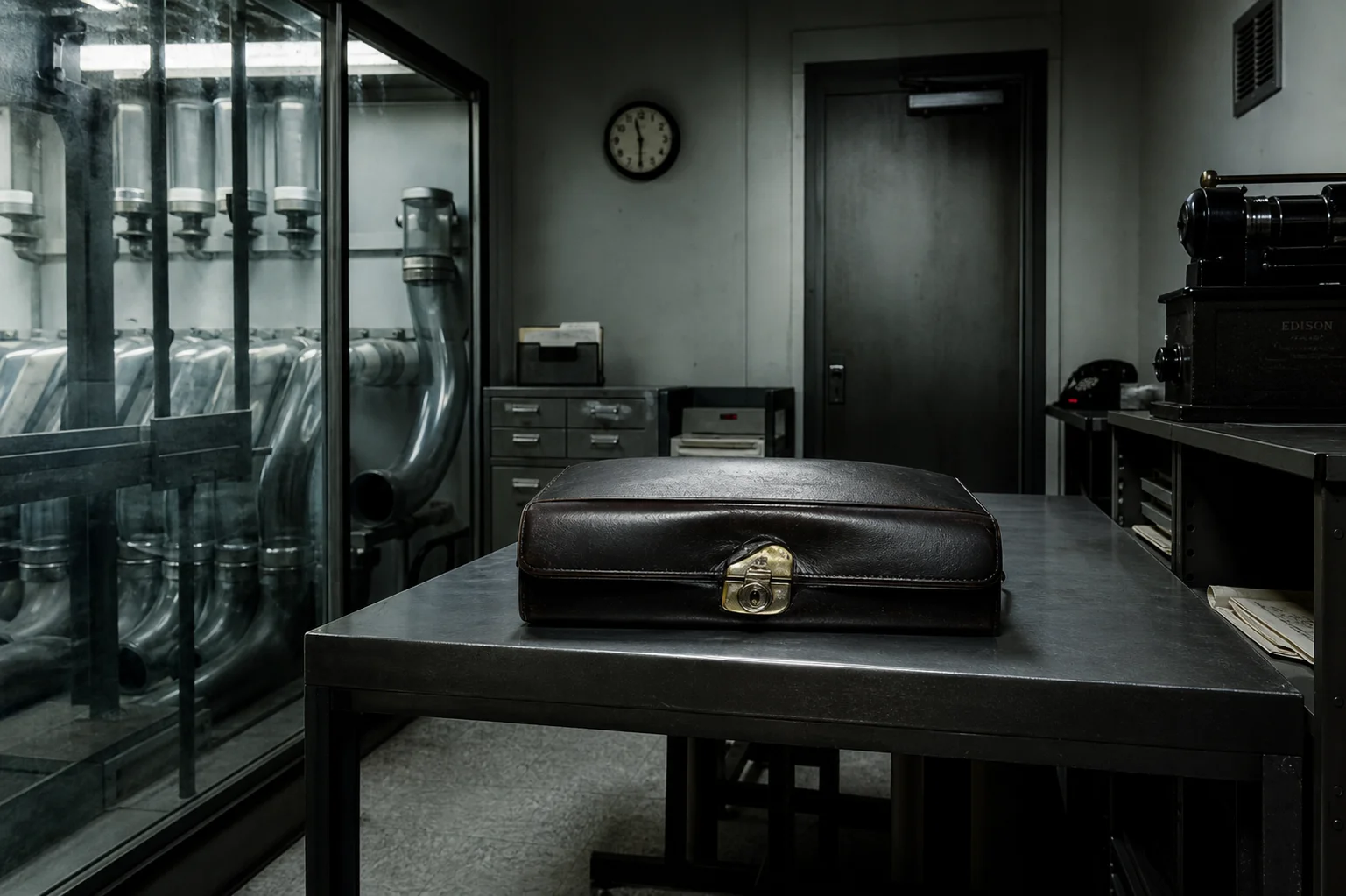
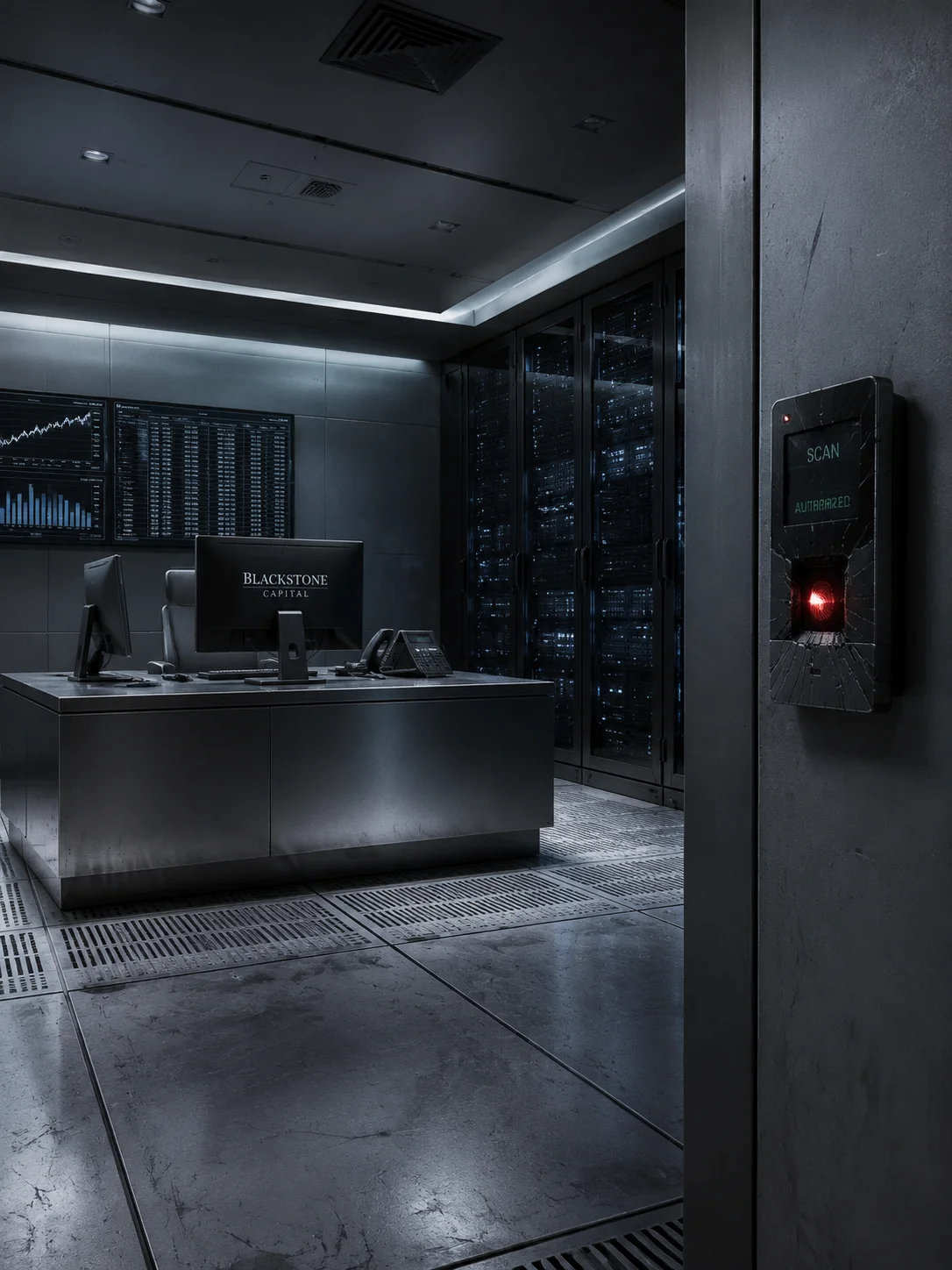
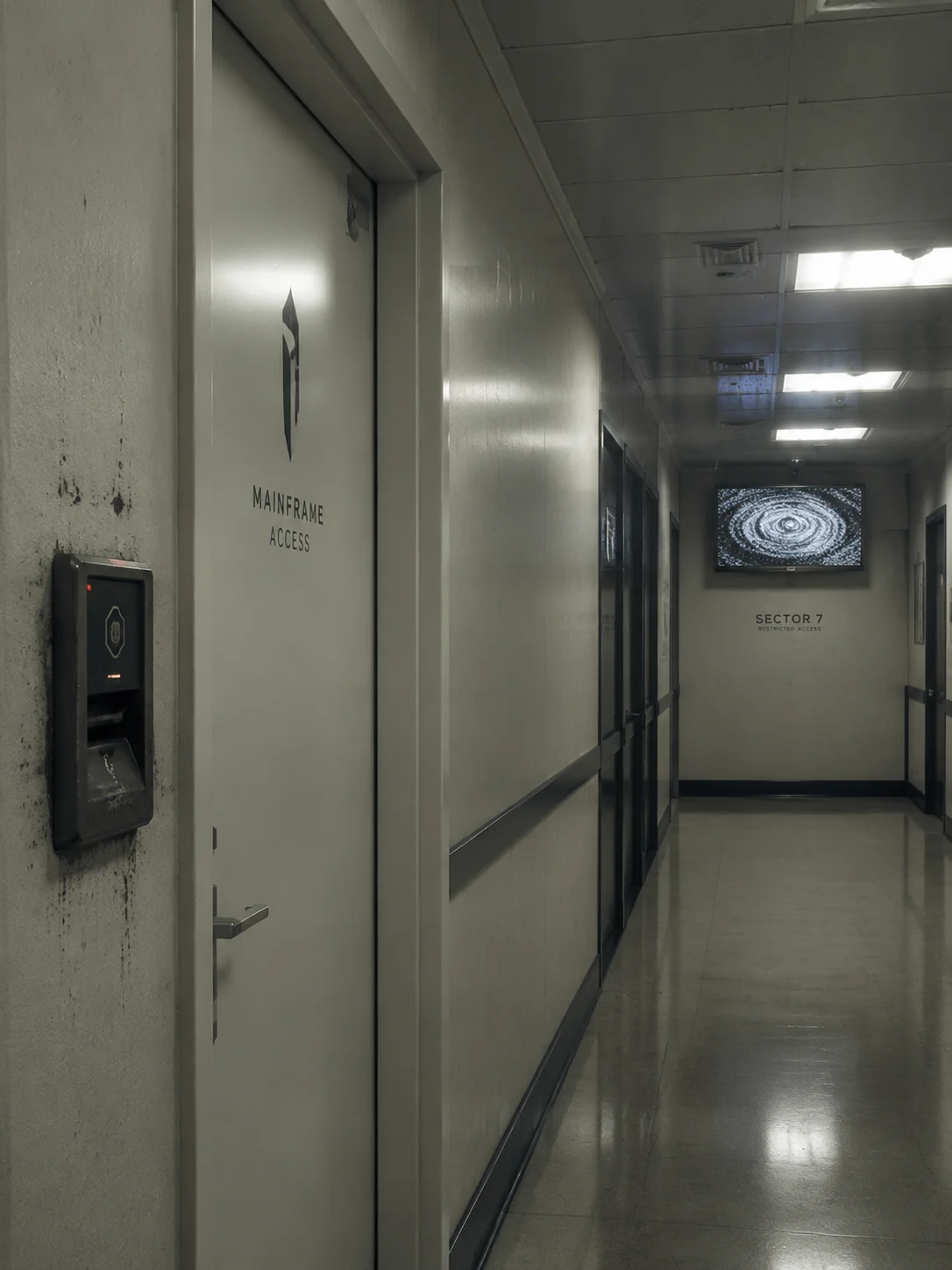
The air in the mainframe corridor hangs cold and still, carrying the faint, sharp scent of ozone from active electronics. The constant, low hum of the climate-control system forms a baseline sound, broken only by the distant, periodic 'whoosh-thump' of the pneumatic tube system. Three localized visual markers anchor the scene: the sterile, beige walls reflecting flat, fluorescent light; the abrasion patterns on the biometric keycard slot near the door; and the magnetic dust swirling in the static on a corridor CCTV monitor.
 Crime Scene Environment
The lighting profile is a continuous, shadowless fluorescent glare from ceiling tubes. The humidity and temperature are maintained at a precise 45% and 68°F by the central climate-control system, creating a sterile, static micro-climate. The acoustic density is defined by the omnipresent hum of machinery and the periodic mechanical sounds of the pneumatic tube system, layered with the silence of rigid protocol.
 Investigation Constraints
Fluorescent-lit, climate-controlled corporate environments. Centralized mainframe data entry terminals with hard-copy printouts. Biometric time-clock stamps for building access. Encrypted telex machines for secure messaging. CCTV with magnetic tape loops, monitored by a single security operator. Pneumatic tube systems for inter-office document transport. Advanced analog telephone switchboards with potential for line-tapping. Handheld Geiger counters for industrial security sweeps.
✦ Related Cases ✦