The Executive Washroom Incident
An independent forensic specialist is summoned to a corporate headquarters following the discovery of a deceased senior executive in a private washroom. The initial scene suggests a suicide, but anomalies in the physical evidence and conflicting digital logs indicate subsequent, unauthorized alterations by multiple parties. The investigation requires untangling a web of professional relationships, personal secrets, and administrative access records to reconstruct a clean timeline of events.
 Initial Crime Scene
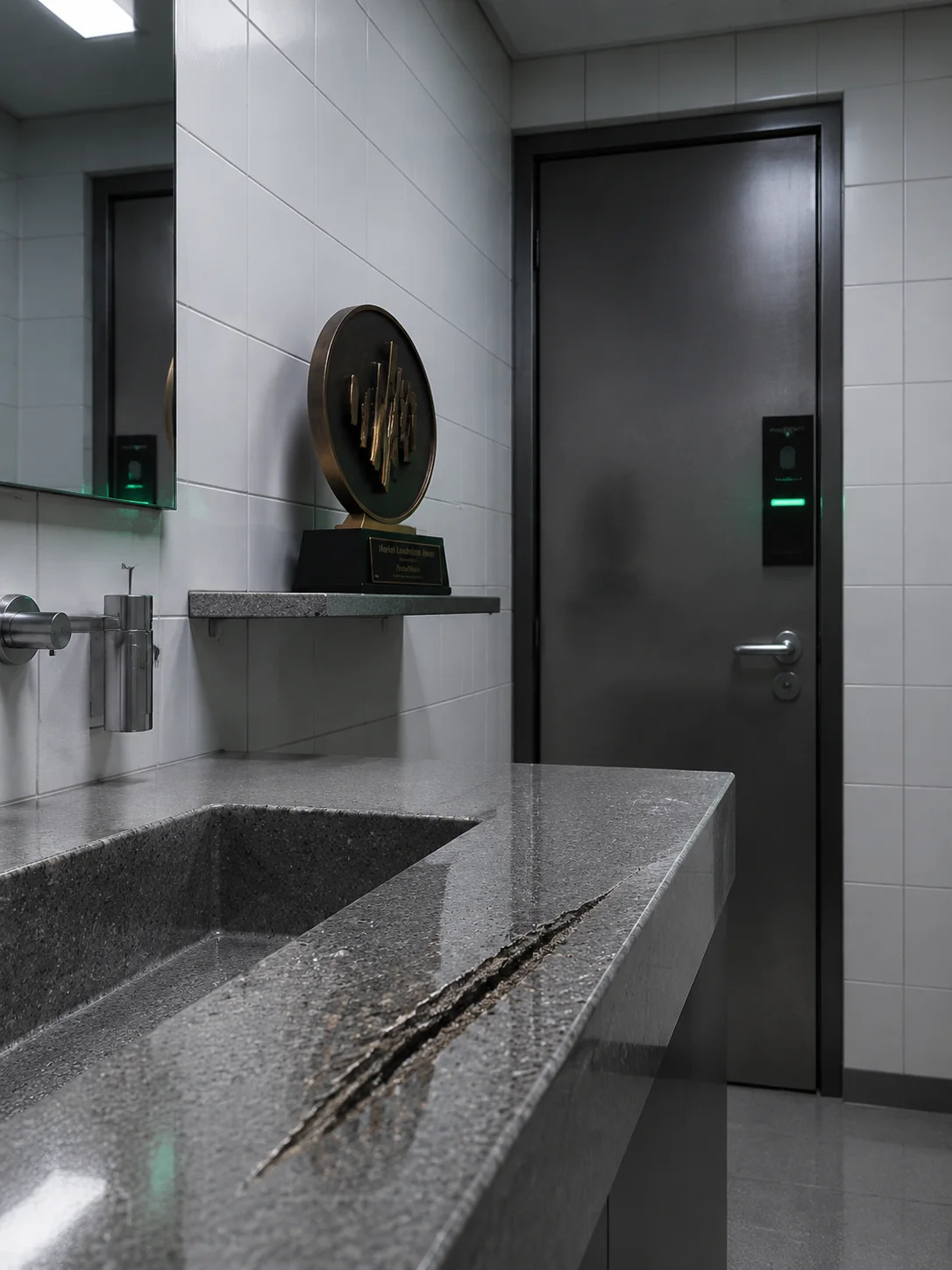
The biometric panel on the executive washroom door glows a steady, green light, casting a cold, sterile reflection on the composite resin countertop. The air smells sharply of ozone and disinfectant. Your gaze lands first on a deep, linear gouge scarred into the countertop's surface, then on a heavy, bronze award misaligned on its display shelf, and finally on a faint, chemical-clean scent clinging to the white tiles.
 Crime Scene Environment
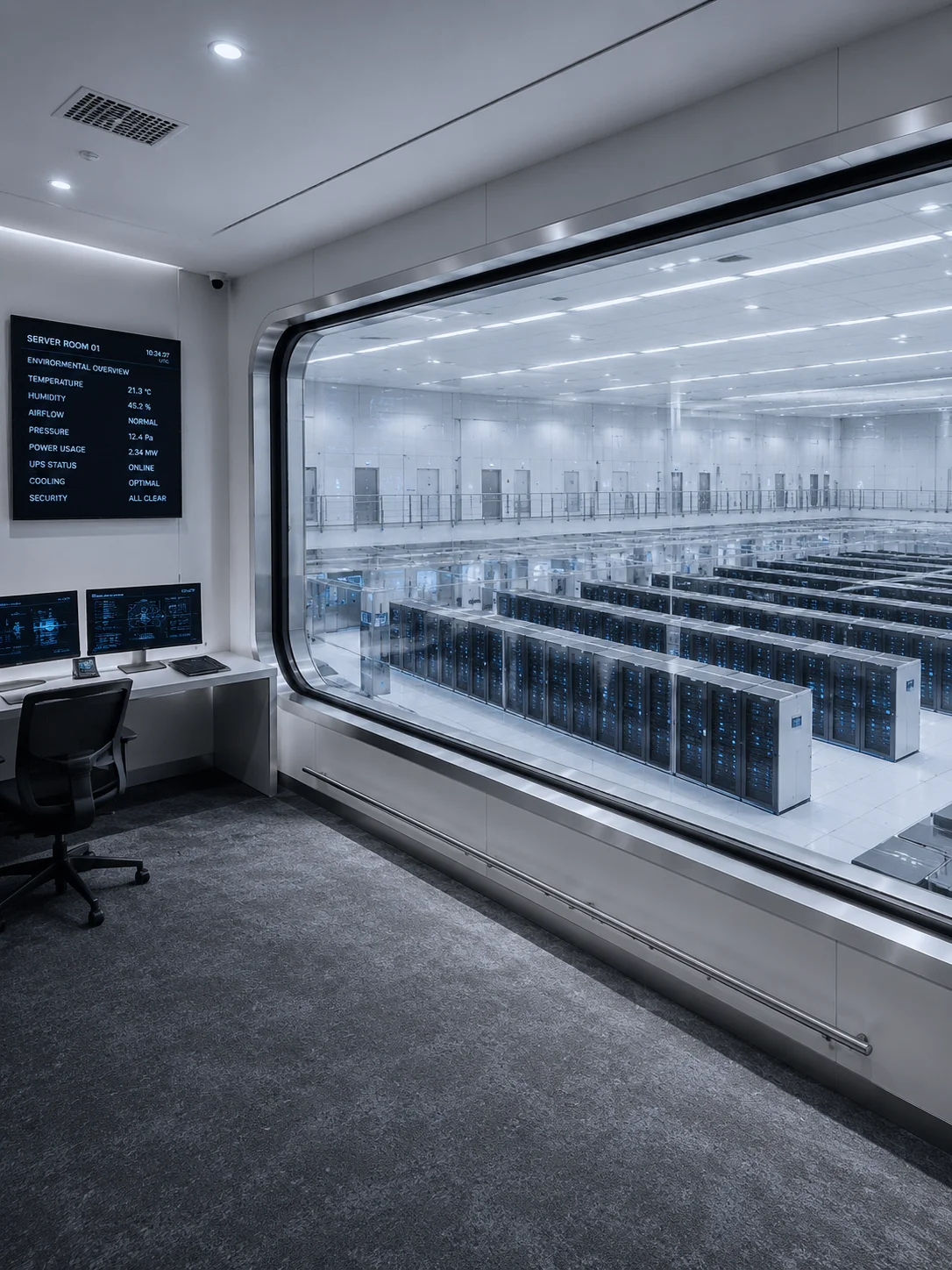
The environment is characterized by transactional sterility. Lighting is flat, overhead fluorescence designed for maximum visibility with minimal comfort. Humidity is low, controlled, and the temperature is persistently cool, a maintained chill for electronic and forensic preservation. Acoustic density is low, dominated by the low hum of distant server racks and the constant, soft whisper of HVAC vents.
 Investigation Constraints
Keycard access systems with encrypted RFID chips, biometric thumbprint scanners on office doors, network-logged internal phone calls, encrypted email servers with audit trails, CCTV with 72-hour overwrite loops, forensic-grade luminol, UV light for trace evidence, automated building management logs for doors and HVAC.
✦ Related Cases ✦