The Filing Corridor Incident
A forensic data recovery specialist is contracted to investigate a fatality in a sterile, high-security corporate environment. Initial reports reference a critical data transfer between departments and subsequent system anomalies. The objective is to reconstruct the precise sequence of events using objective physical evidence and system logs.
 Initial Crime Scene
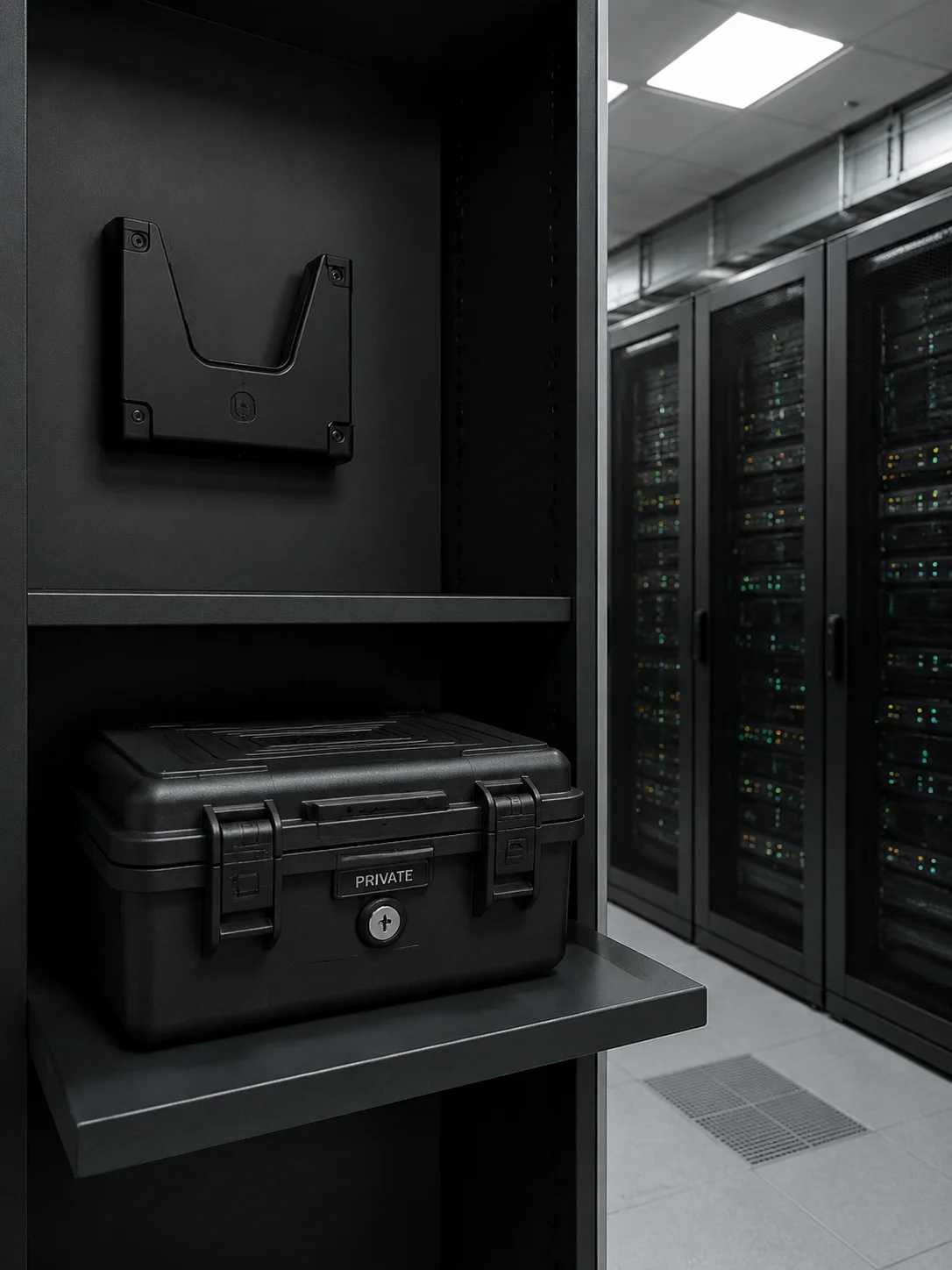
A sharp, ozone-laced chill hits your nostrils as the reinforced door seals behind you. The low, constant hum of server racks vibrates through the soles of your shoes. Your gaze is immediately drawn to a dedicated shelf holding a personal lockbox, its plastic seal showing a pattern of inward compression. To your left, a wall-mounted bracket is empty. The green and amber LEDs across the server panels blink in a slow, isolated rhythm.
 Crime Scene Environment
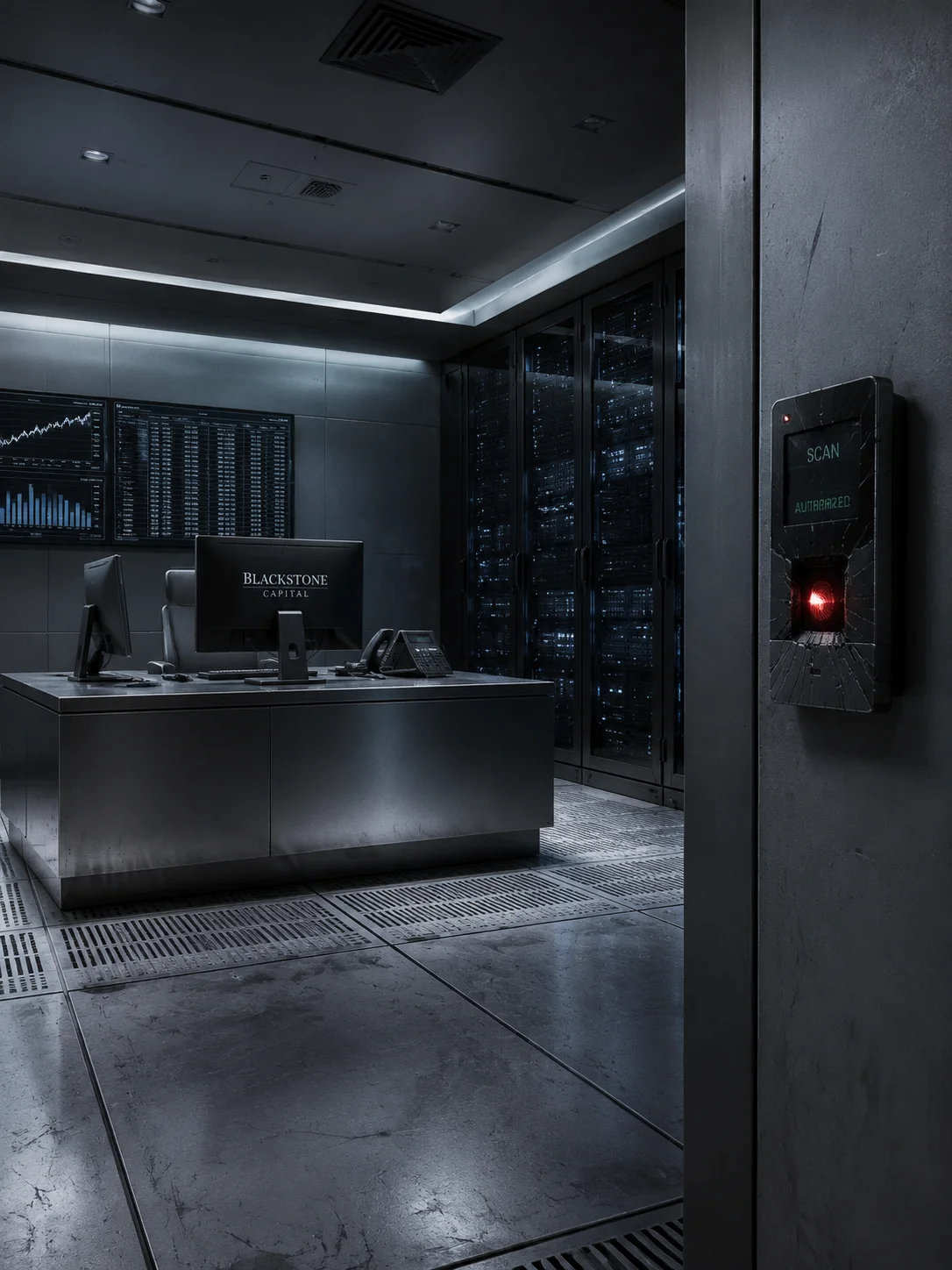
The primary environments are chilled, windowless server rooms and adjacent corridors under harsh, shadowless fluorescent lighting. Air humidity is low, maintained by climate control, creating a sterile, dry atmosphere. Acoustic density is dominated by the constant, low-frequency hum of cooling systems and the occasional beep of diagnostic equipment. The tonal profile is cold, analytical, and procedural.
 Investigation Constraints
Digital encryption (256-bit AES), biometric scanners (fingerprint, retinal), closed-circuit surveillance, secure landline communications, encrypted email servers, forensic data recovery software, physical key-card access systems, and tamper-evident seals on high-security storage nodes.
✦ Related Cases ✦