The Final Scene
The curtain call death of a celebrated lead actress initiates a forensic examination of the Gilded Mask Theatre's final performance. The investigation must parse a layered environment of professional rivalries, buried contractual histories, and a series of independent, panicked actions occurring before and after the incident.
 Initial Crime Scene
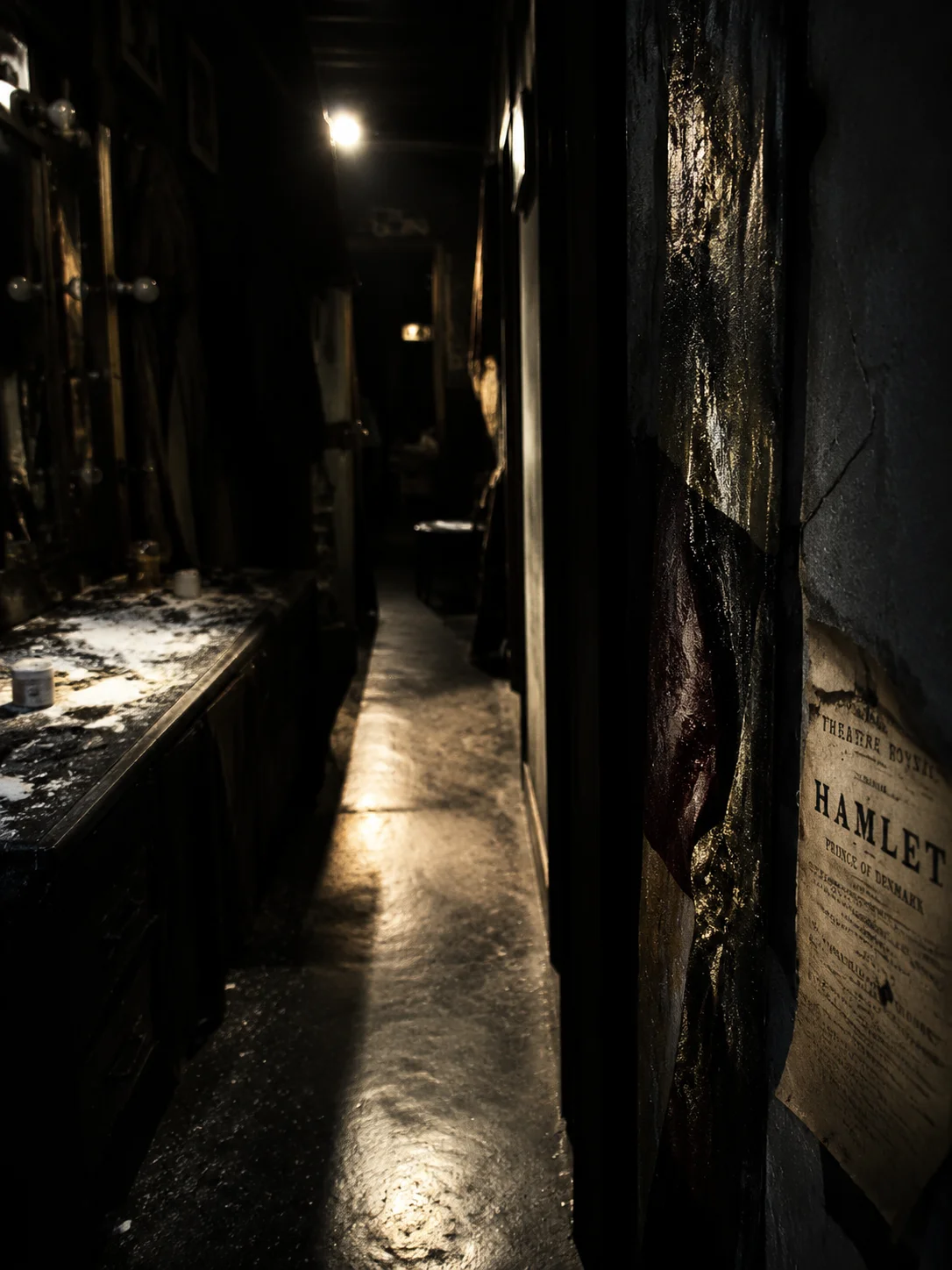
The threshold crosses into a backstage corridor smelling sharply of acetone cleaning solvent. A single, bare bulb hums with a low electrical buzz, casting long shadows. Your eyes fix on three details: the gritty, smeared texture of spilled theatrical powder on a nearby vanity surface, the brittle, yellowed edges of an old playbill caught in a crack in the wall, and the greasy, reflective smudge of costume fabric on a doorframe.
 Crime Scene Environment
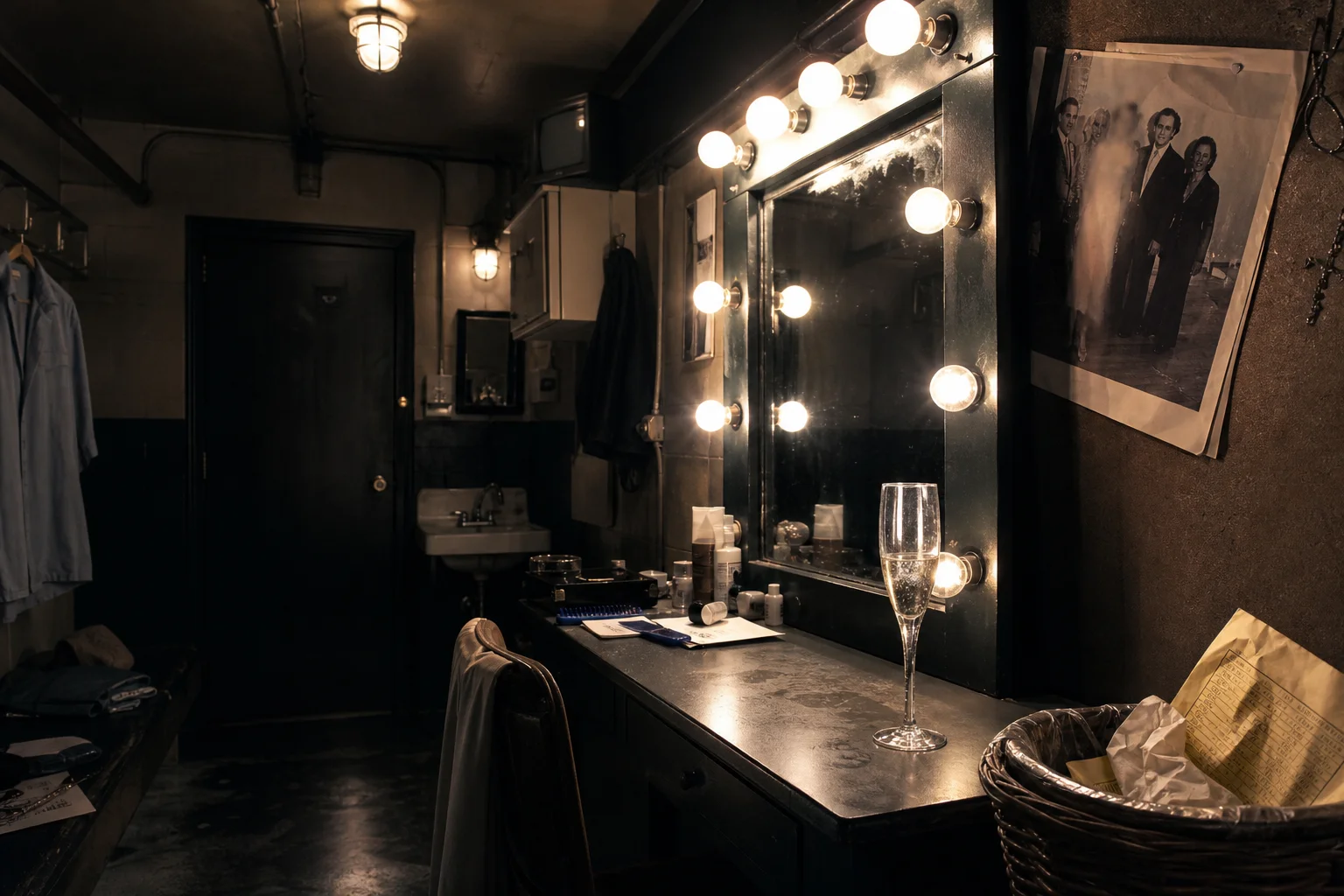
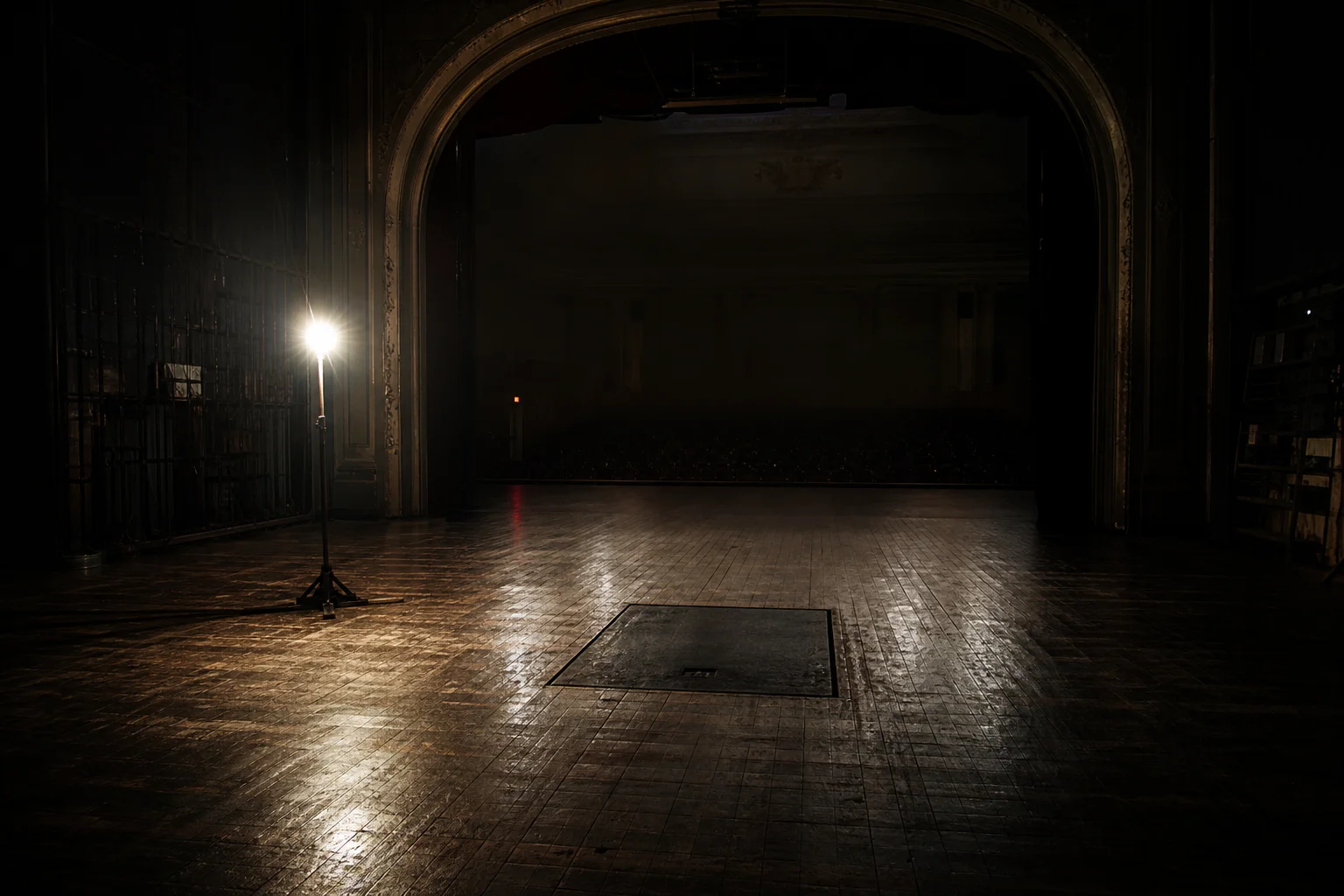
The lighting profile is a patchwork of harsh, direct spotlight pools and deep, velvety shadows, with a single bare bulb for ambient work light. The humidity is low and dry, carrying a persistent chill, and the temperature is cool enough to raise goosebumps. Acoustic density is high, filled with the low hum of electrical equipment, the faint, distant echo of the empty stage, and the muffled sounds of a building holding its breath.
 Investigation Constraints
Modern but pre-social media: Landline telephones, handwritten notes, typed scripts, cassette tape recorders for personal dictation, rotary-dial intercoms between dressing rooms and the stage manager's booth, Polaroid cameras for publicity stills, physical newspaper clippings, theatrical lighting boards with manual cue sheets, old-fashioned steel filing cabinets for contracts and reviews. No internet, mobile phones, or digital logs.
✦ Related Cases ✦