The Gilded Page
The reading at the local bookshop concluded without incident. The following morning, the proprietor discovered a patron unresponsive. Initial observations of the environment and subsequent conversations with those present have yielded a collection of physical traces and testimonial statements for review.
 Initial Crime Scene
A wall of polished dark wood shelving, dense with leather and cloth spines, fills the immediate view. Dust motes drift in a slanting afternoon sunbeam, illuminating the scent of old paper and a faint, citrusy chemical odor. From a small side table comes the soft, repetitive clink of a porcelain cup against its saucer, a sound that underscores the profound stillness of the room.
 Crime Scene Environment
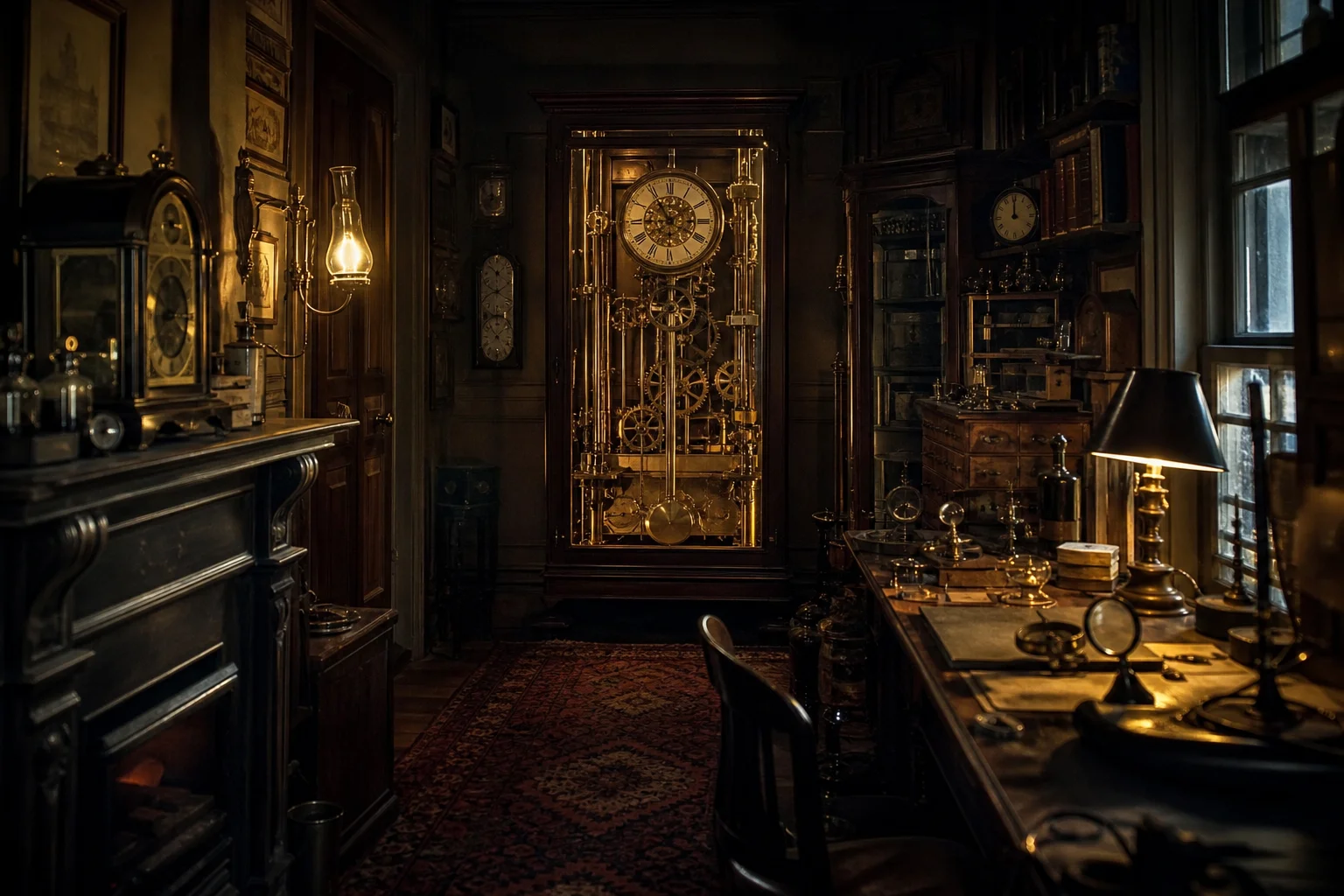
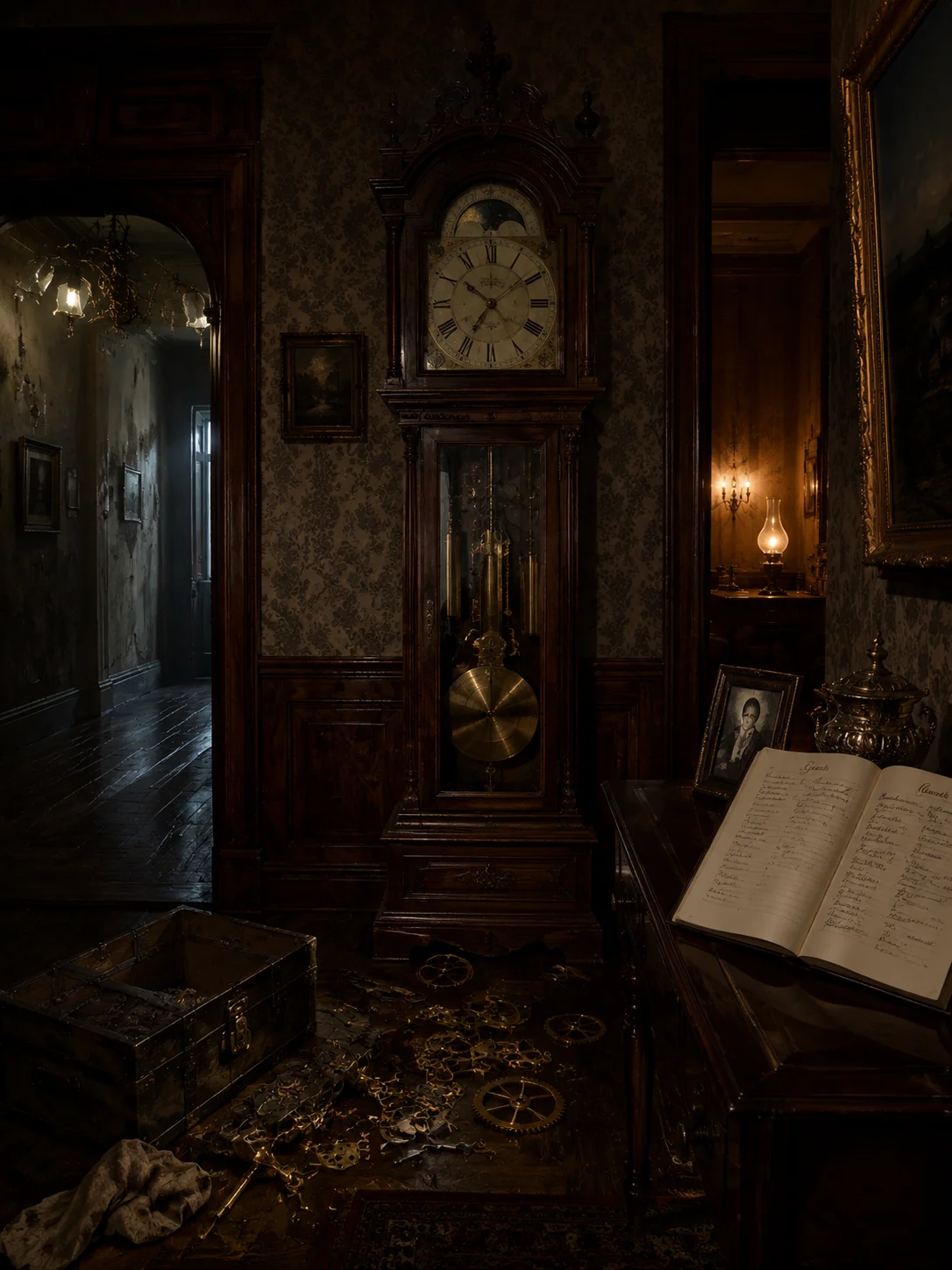
The primary light source is natural, filtering through a bay window of slightly wavy glass, creating a profile of soft, diffused afternoon illumination with distinct sunbeams. The humidity is low, and the ambient temperature is cool, consistent with the shaded interior of a book-filled space. Acoustic density is minimal, dominated by the slow, mechanical tick of a mantel clock, the distant rustle of fabric, and the intermittent, muted scrape of a shoe on polished floorboards.
 Investigation Constraints
Tools limited to mid-20th century: rotary telephones, handwritten ledgers, physical filing cabinets, mechanical typewriters, winding clocks, hand-wound record players, and vintage camera film. Communication is via posted letters, party-line telephone conversations, and face-to-face social calls. Locks are simple key-tumbler mechanisms.
✦ Related Cases ✦