The Greasepaint Accusation
An independent investigator is summoned to a Broadway theater following the sudden death of a lead actor during the opening night performance. The company's professional environment is a complex ecosystem of personal histories, financial pressures, and artistic rivalries. The task is to navigate this intricate social structure and the physical evidence it has generated to determine the sequence of events.
 Initial Crime Scene
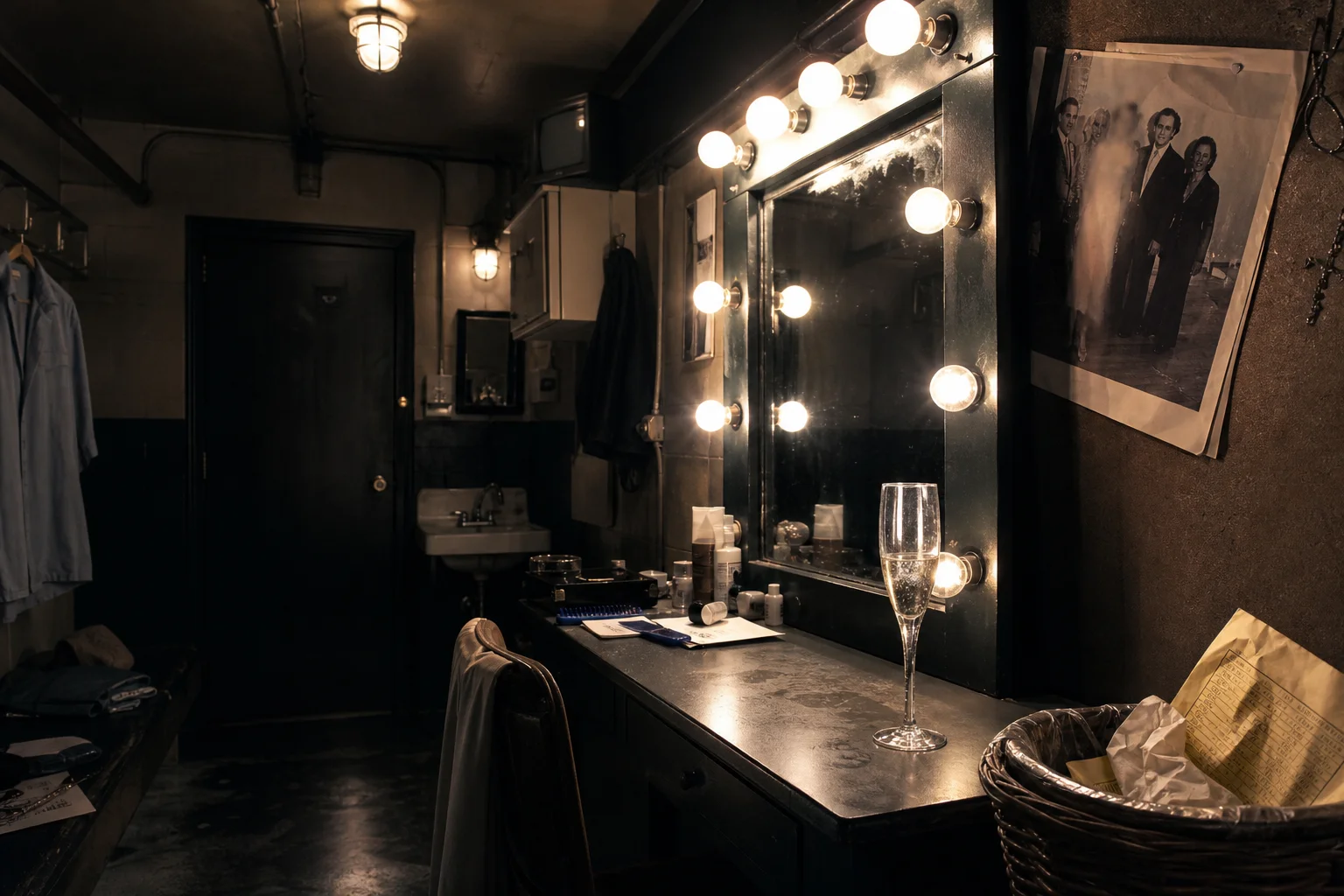
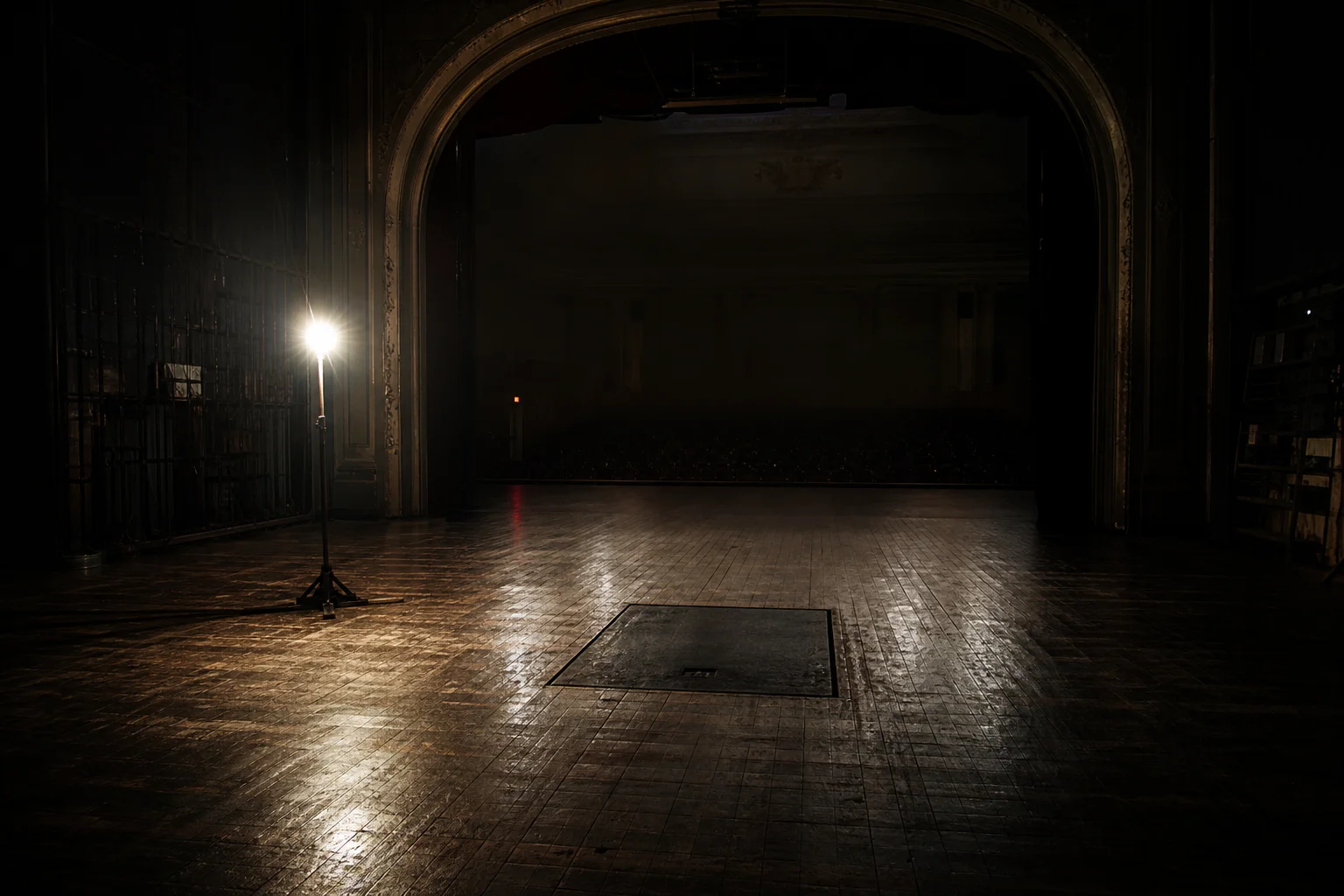
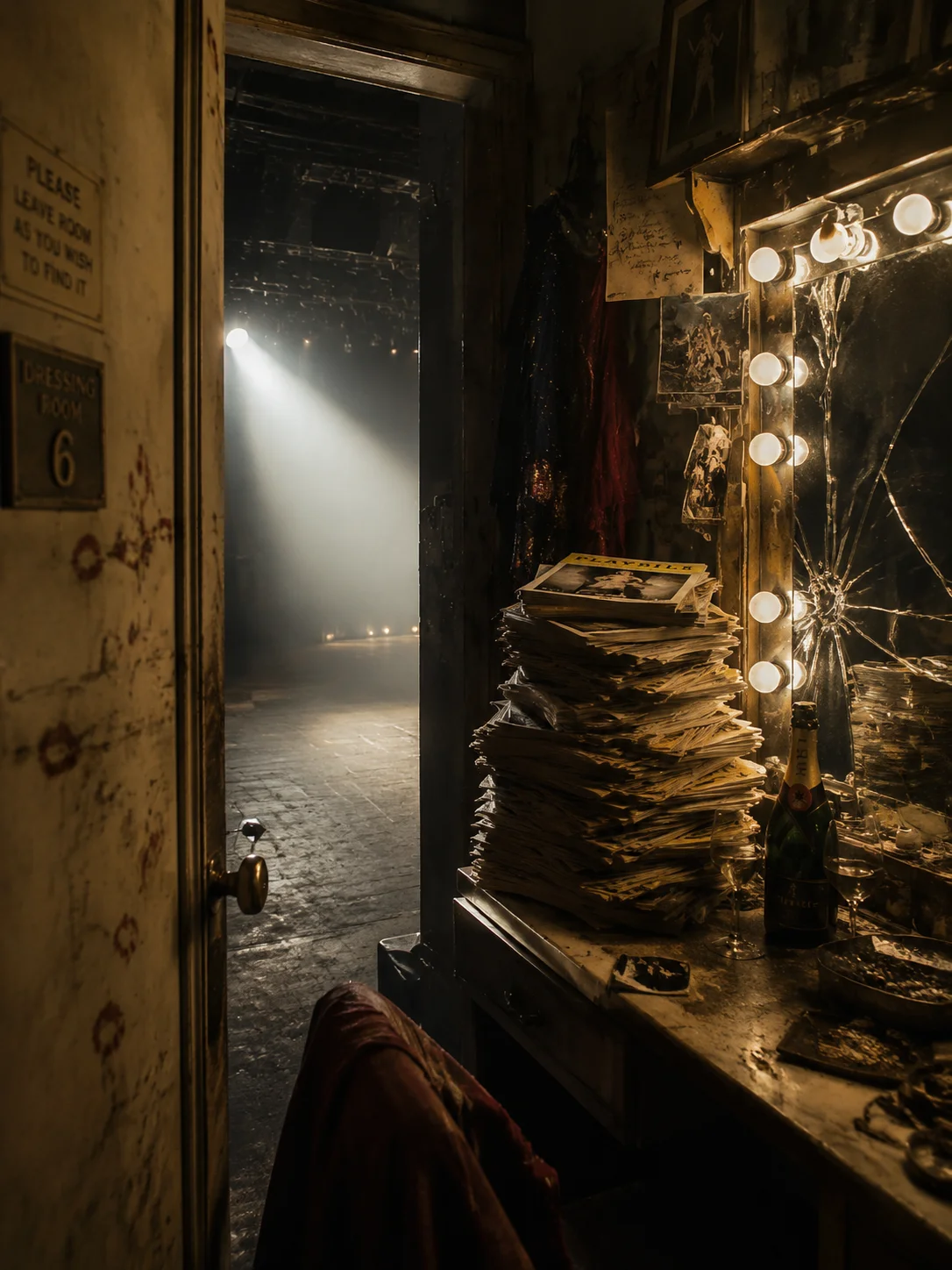
The scent of spilled champagne and old velvet curtains is thick enough to taste. A single, harsh spotlight from the empty stage cuts across the cluttered dressing room, illuminating three distinct visual markers: greasepaint smudges on the doorframe, a cracked full-length mirror reflecting a distorted space, and a tall stack of playbills with inconsistent print runs on the vanity. The ambient sound is the distant, rhythmic hum of a telephone switchboard operator connecting calls in the lobby.
 Crime Scene Environment
The theater's atmosphere is a system of enforced glamour and underlying decay. The lighting profile is a mix of harsh, directional work lights and pockets of deep shadow. The humidity is high, carrying the damp, breathed-out air of a crowded performance space, while the temperature is warm under the residual heat of the stage lamps. The acoustic density is layered: the muffled sounds of the city outside are filtered through heavy walls, replaced by the constant, low-frequency hum of building mechanics and the occasional, sharp echo from the empty stage.
 Investigation Constraints
Telephone switchboards, printed contracts, hand-typed memos, carbon copies, analog film projectors, stage lighting boards with manual switches, makeup compact mirrors, rotary dial payphones in the theater lobby.
✦ Related Cases ✦