The Ledger of Stifled Air
An independent forensic specialist is summoned to a university physics laboratory following a fatal incident within a sealed experimental chamber. The initial report suggests an accident, but the discovery of a unique, lab-synthesized material trace at two distant campus locations disrupts the preliminary narrative. The investigation must navigate a network of academic relationships defined by prestige, quiet desperation, and meticulously maintained public facades to reconstruct the objective events.
 Initial Crime Scene
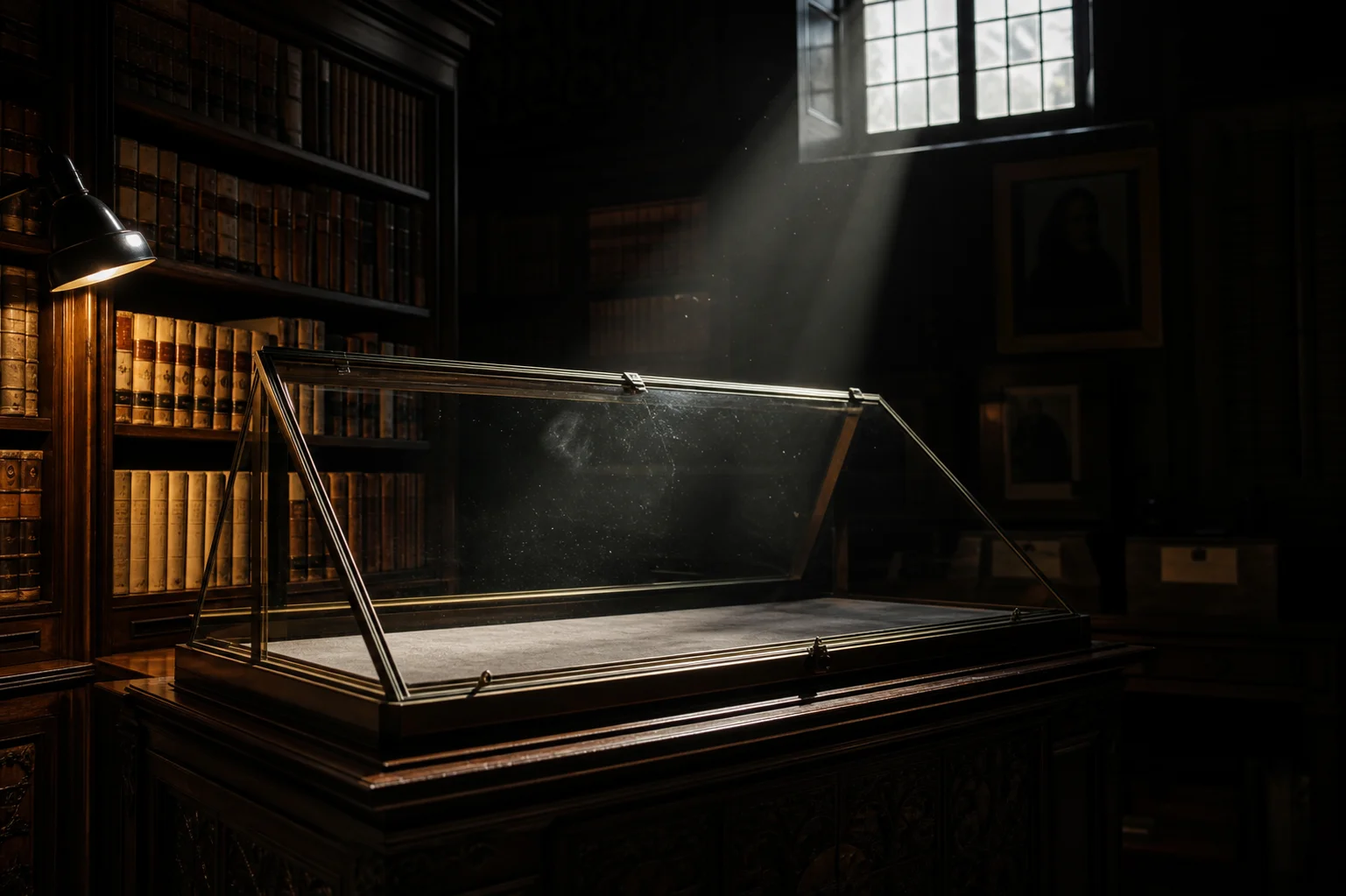
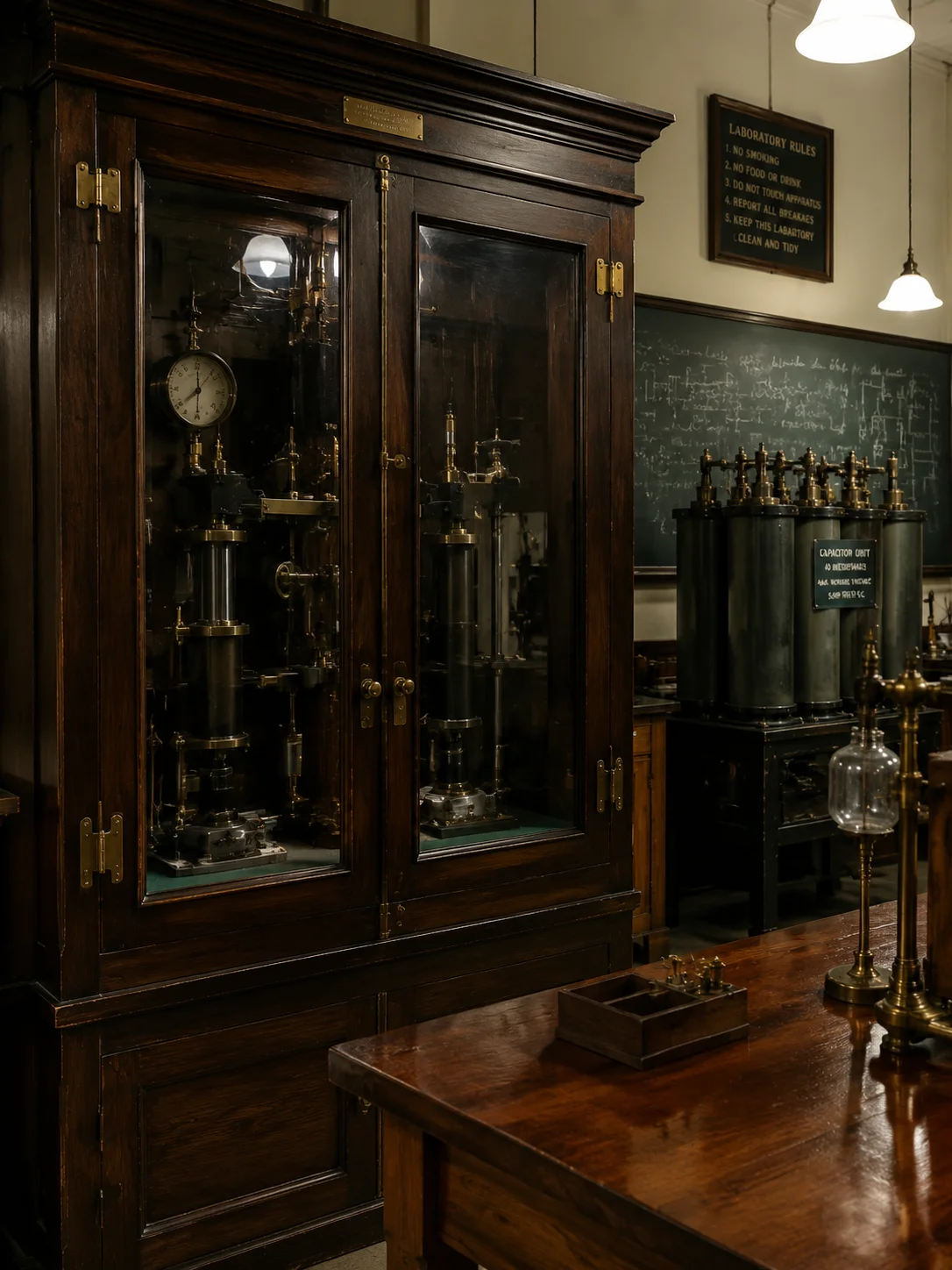
The scent of ozone and cool metal hangs in the still air of the laboratory, undercut by the dusty chalk smell from a blackboard. The only sound is the low, persistent hum of the large capacitor unit against the far wall. Your eyes adjust to the light: polished wood benches gleam under the gas lamps, brass fixtures reflect the glow, and the heavy glass doors of apparatus cabinets stand like silent sentinels.
 Crime Scene Environment
The lighting profile is a consistent, hard-edged illumination from overhead gas lamps, casting sharp shadows. The humidity is low, controlled, creating a dry, static-filled atmosphere. The acoustic density is minimal, dominated by mechanical hums and the occasional, distant echo of institutional activity, creating a profound sense of isolated, stifling propriety.
 Investigation Constraints
Early 1930s institutional setting. Tools include: mechanical typewriters, carbon paper copies, manual telephone switchboards, library card catalogues, microscope slides, beakers and bunsen burners, leather-bound ledgers, wax seals, fountain pens, rotary dial phones, pneumatic tube message systems (campus), library stamp due-date cards.
✦ Related Cases ✦