The Log's Silence
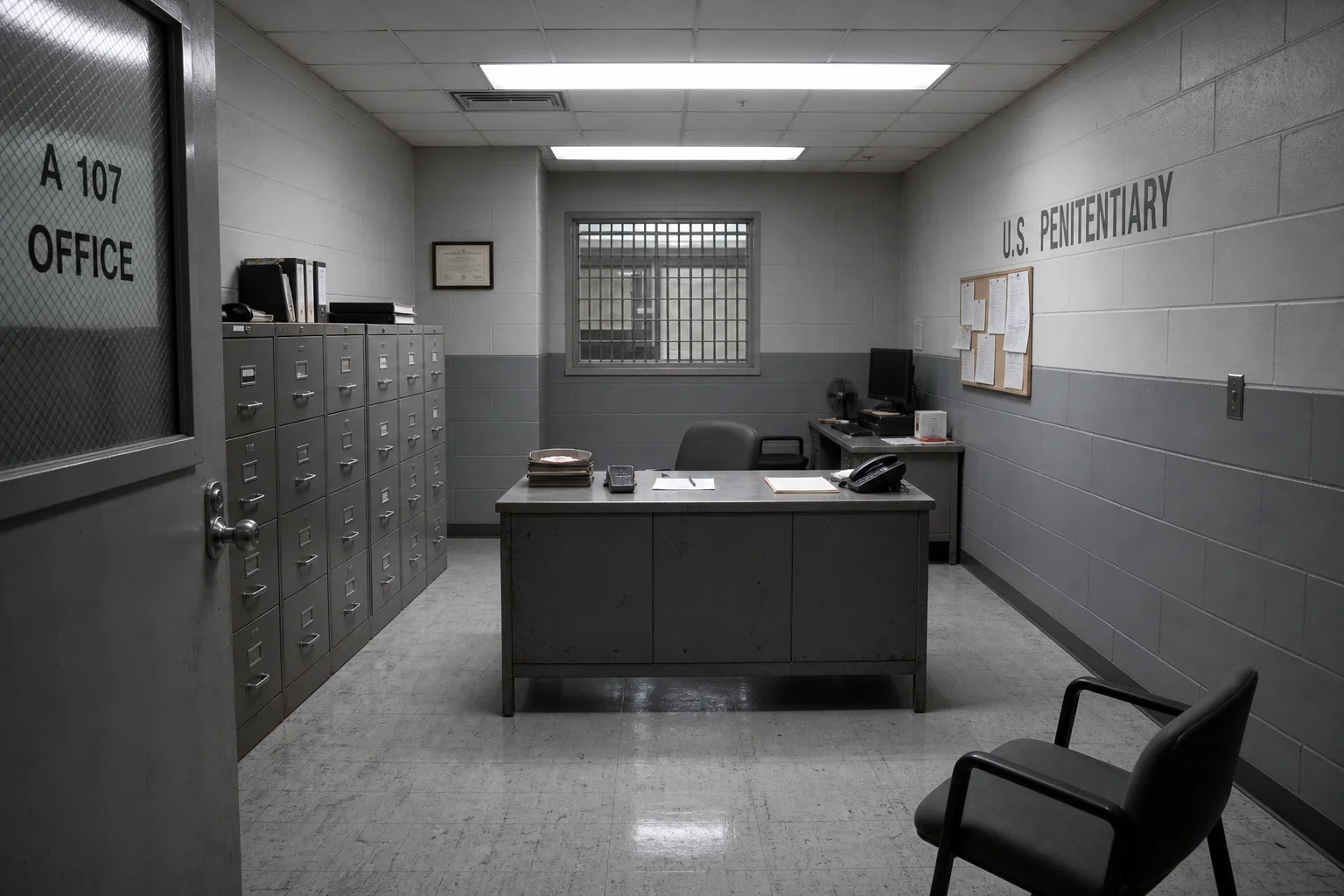
In the sterile, high-tech environment of the Blackridge Correctional Facility, an independent investigator examines a death in solitary confinement. The automated systems present a complex web of timestamps, access logs, and system overrides. Multiple staff members offer alibis recorded in the digital infrastructure. The objective is to untangle the physical evidence from the digital record to determine the sequence of events.
 Initial Crime Scene
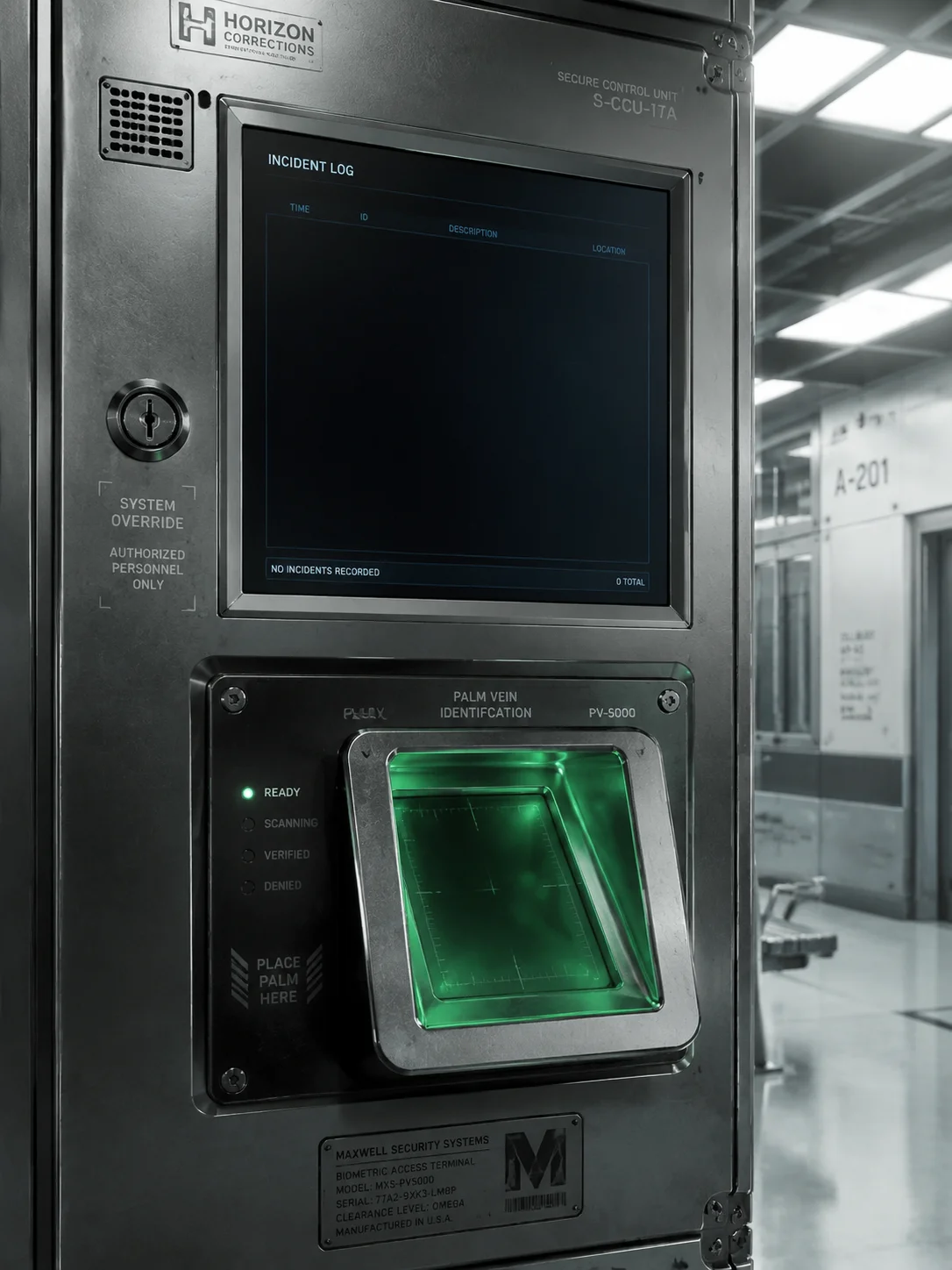
The hard, reflective surface of a biometric palm scanner glows a dormant green under the sterile light. The soft, constant hum of the central monitoring server bleeds through the walls, a low, pervasive vibration. Your gaze tracks the official, timestamped entry on the digital incident log, its screen a blank slate awaiting its first cold fact.
 Crime Scene Environment
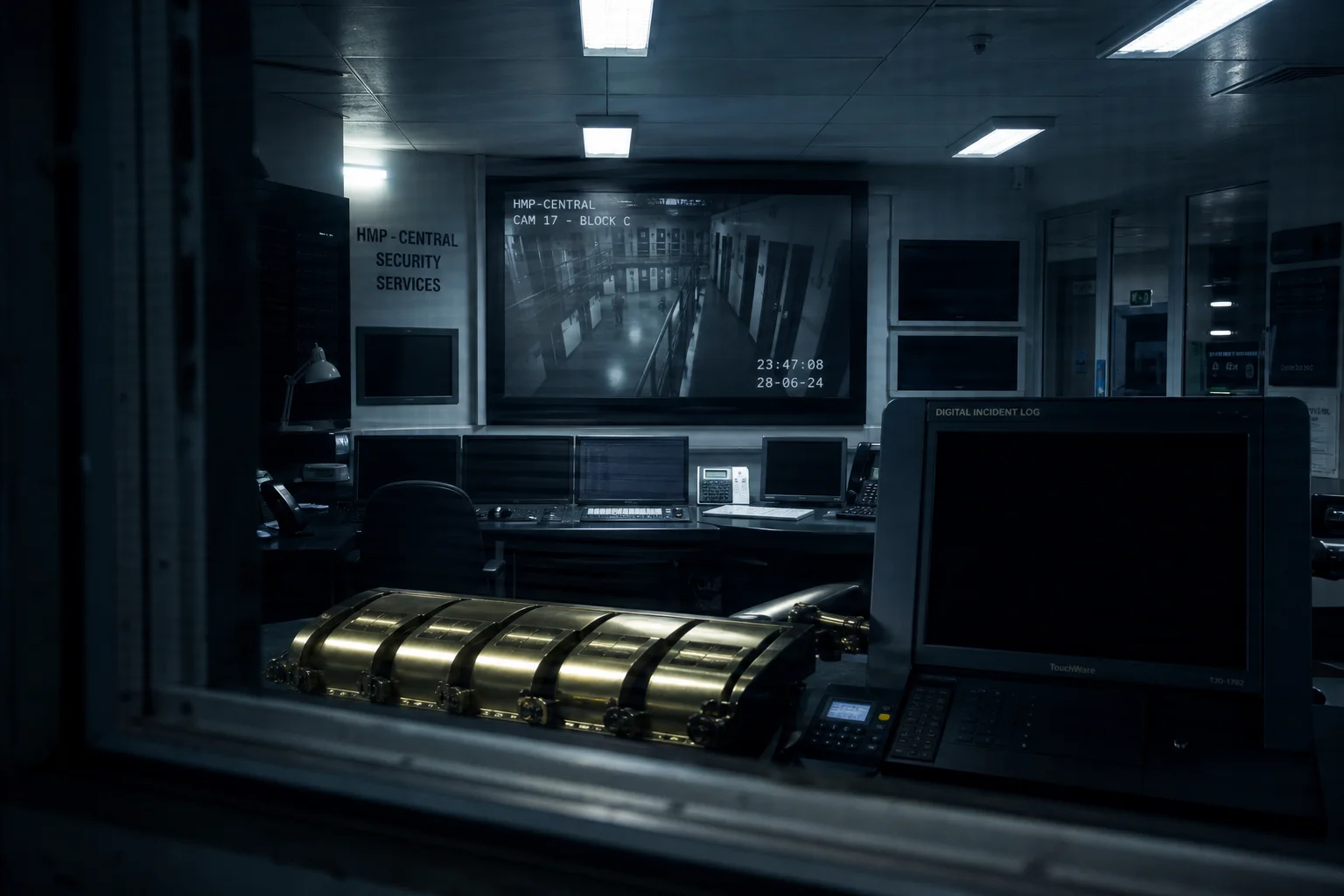
The lighting profile is a flat, shadowless fluorescent glare from recessed panels. The humidity and temperature are cool, filtered, and clinically impersonal. The acoustic density is dominated by the constant, soft hum of the central monitoring server, punctuated by the occasional click of a door lock mechanism.
 Investigation Constraints
Biometric door locks (palm-print or retinal scan), centralized automated cell lighting and monitoring system (controlled from a single security desk), encrypted internal comms network (text-based, not voice), digital incident logging software (entries are timestamped and cannot be edited, only appended with correction notes), heavy-duty industrial anchor points in cells (for restraining violent inmates), paper-based visitor logs for external parties, no personal cell phones for staff, internal cameras with 24-hour loop recording that overwrites every 72 hours unless manually saved.
✦ Related Cases ✦