The Luminary Grind
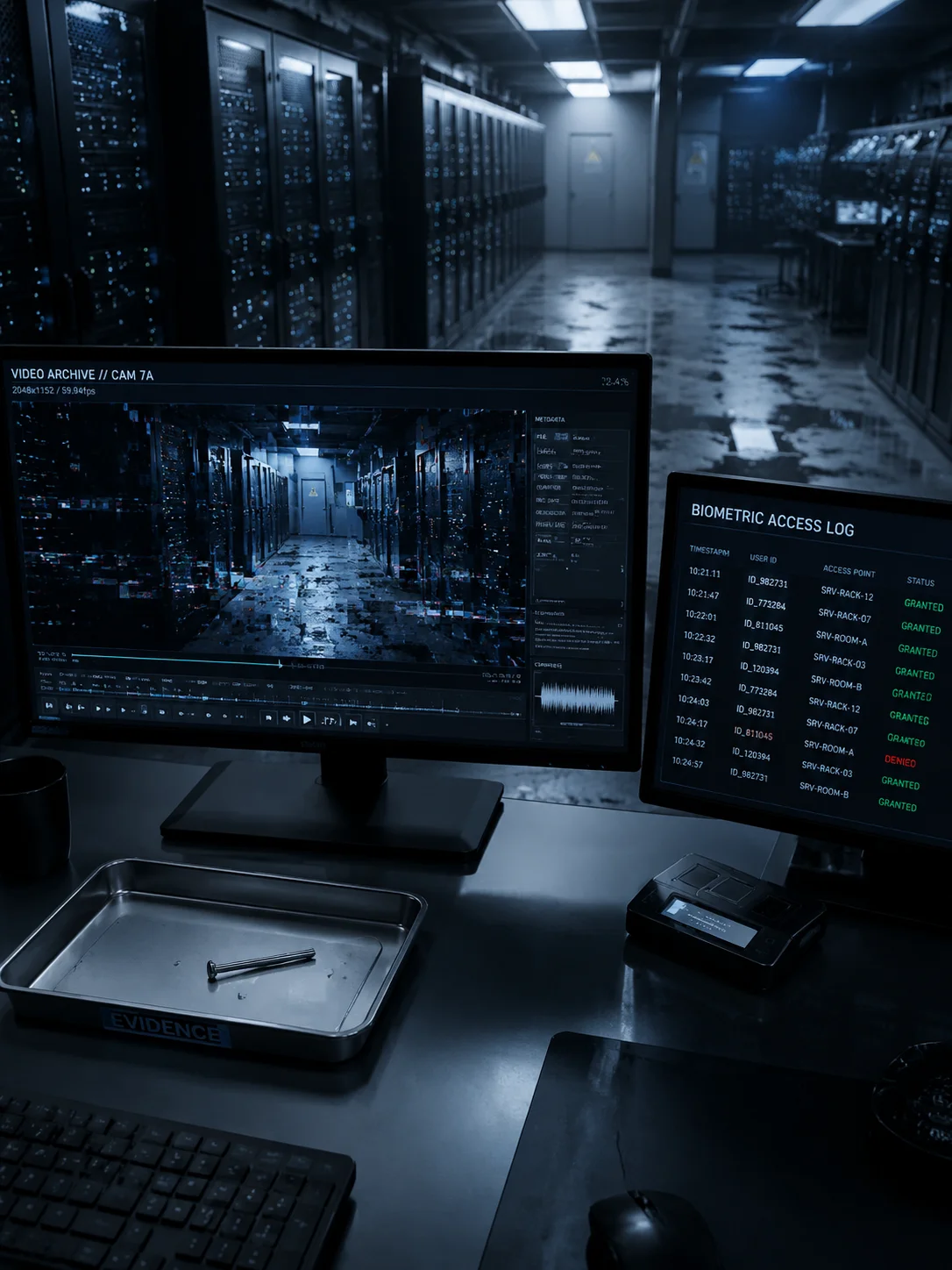
During a live season of the reality competition 'Glow Up or Go Home,' a top contestant is found unresponsive in her private trailer. An analysis of access logs, scheduling conflicts, and the trailer's physical state reveals a series of procedural gaps and environmental inconsistencies. The investigation must navigate the high-stakes pressures of live television production and social media influence to reconstruct the sequence of events.
 Initial Crime Scene
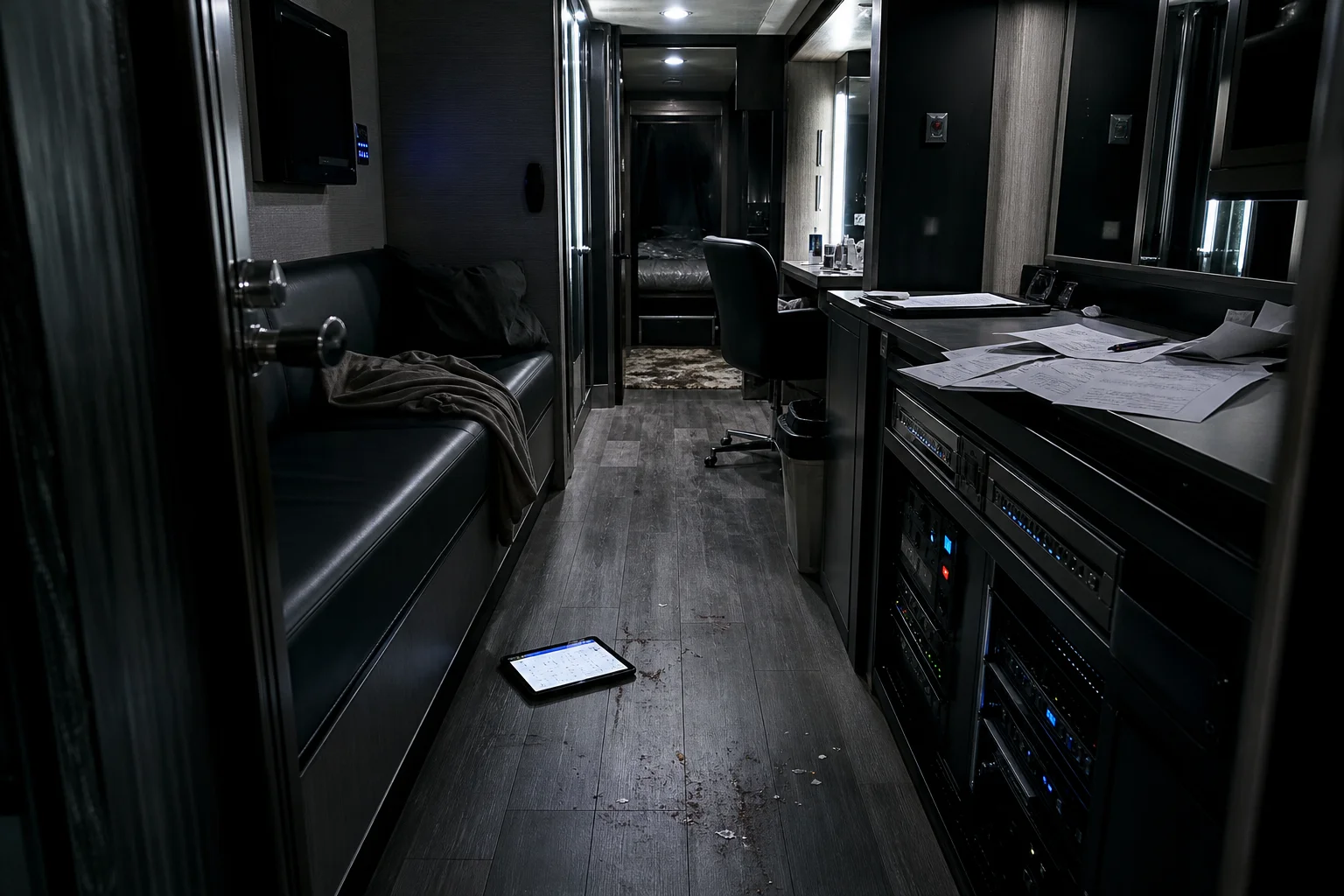
The threshold is breached; a sharp, chemical odor stings the nostrils, carried on the recycled air. A low, persistent hum from a rack of cooling electronics undercuts the distant, muffled bass from a speaker. Your eyes adjust to the gloom, cataloging the first three anchors: the faint, sticky residue of spilled luxury cosmetics marking the trailer floor, the cold, blue-white glow of a tablet's screen left on a scheduling app, and the crumpled pages of a leaked, pre-written elimination script fanned out near the console.
 Crime Scene Environment
The sandbox is defined by a clinical, high-contrast lighting profile, with isolated pools of cold LED light and deep, ambient shadows. The humidity/temperature profile is dry and cool, maintained by overactive air conditioning, creating a constant, low-level chill. Acoustic density is high, comprised of layered, low-frequency ambient noise from ventilation systems, distant muffled voices, and the occasional, sharp digital beep of a notification.
 Investigation Constraints
High-end smartphone communication (DMs, voice memos), encrypted production tablets, keycard-locked trailers, professional-grade cosmetic chemistry kits, social media analytics dashboards, and wearable fitness trackers with limited biometric logging. No advanced AI or forensic tech.
✦ Related Cases ✦