The Observatory Log Anomaly
An independent forensic specialist is summoned to Ashworth University's Observatory following the discovery of a misaligned telescope within the Benefactor's Private Collection. The investigation focuses on the physical state of the instruments, the integrity of access logs, and the presence of various academic personnel on the premises during the relevant time frame.
 Initial Crime Scene
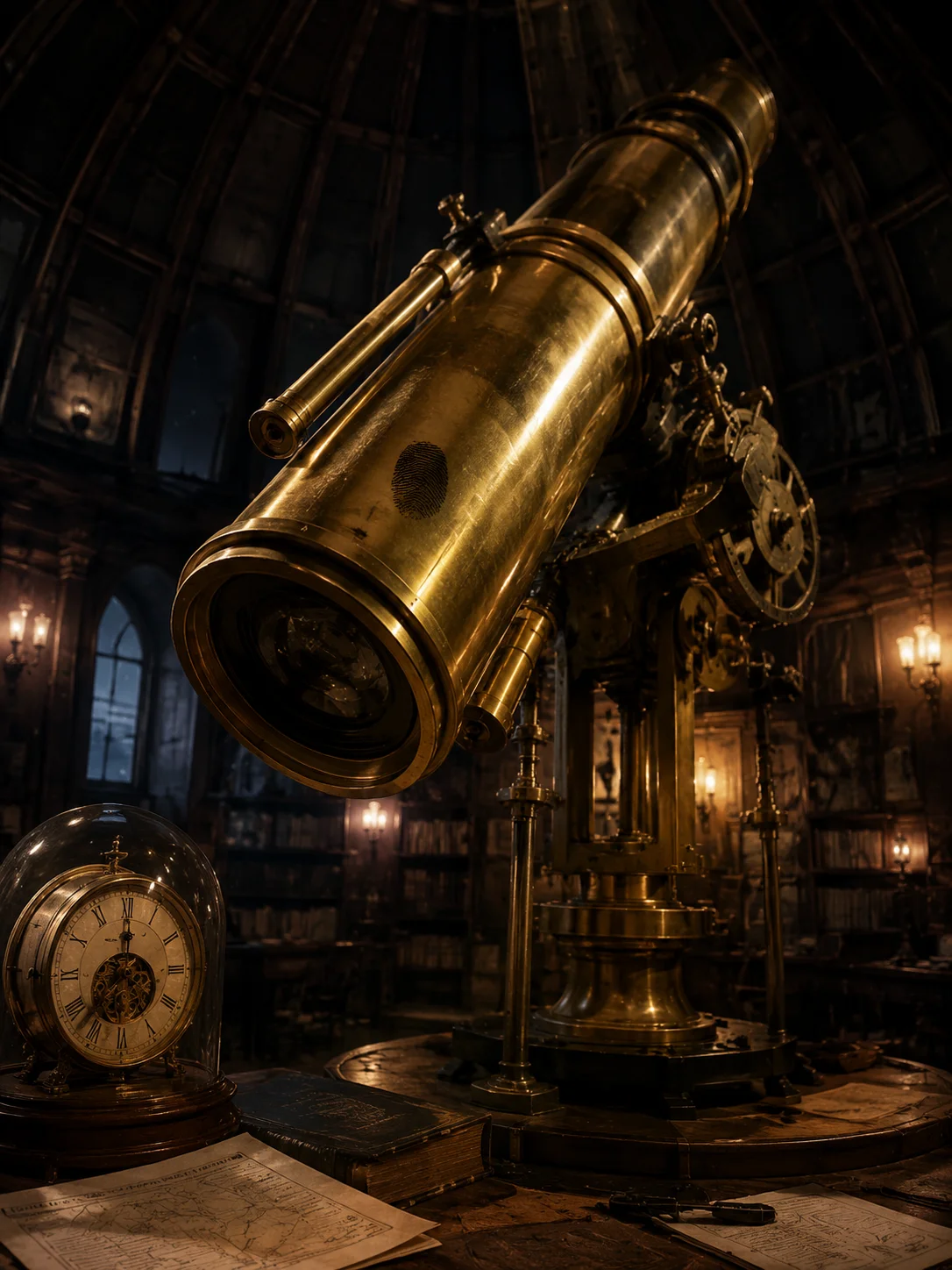
The polished brass housing of the great refractor telescope catches the dim gaslight, a single, fine fingerprint in black coal dust disrupting its otherwise gleaming surface. The air is thick with the scent of old paper and a faint, lingering trace of cold pipe tobacco. A distant clockwork timer ticks with a steady, metallic rhythm, the only sound in the observatory's cavernous dome.
 Crime Scene Environment
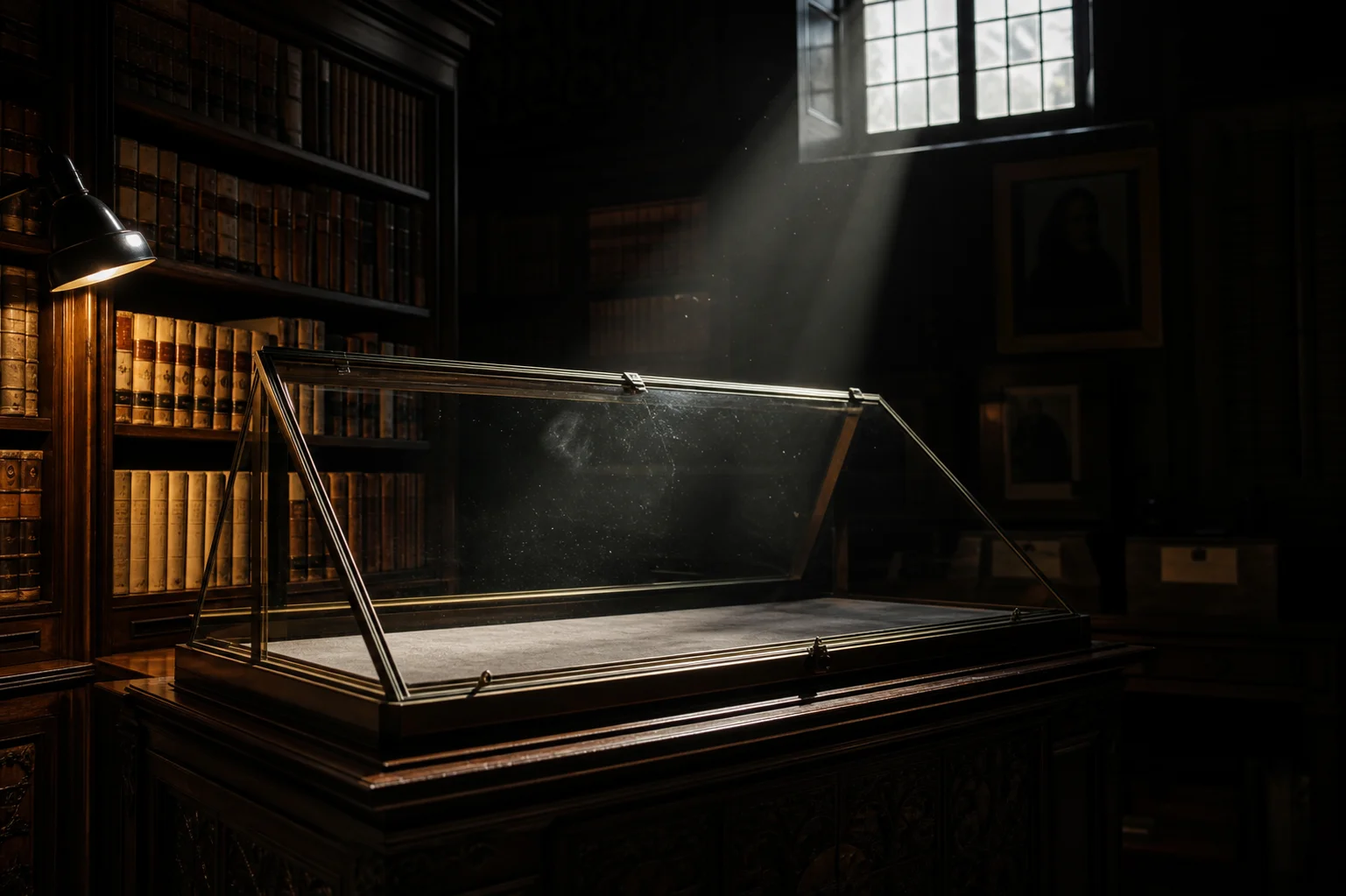
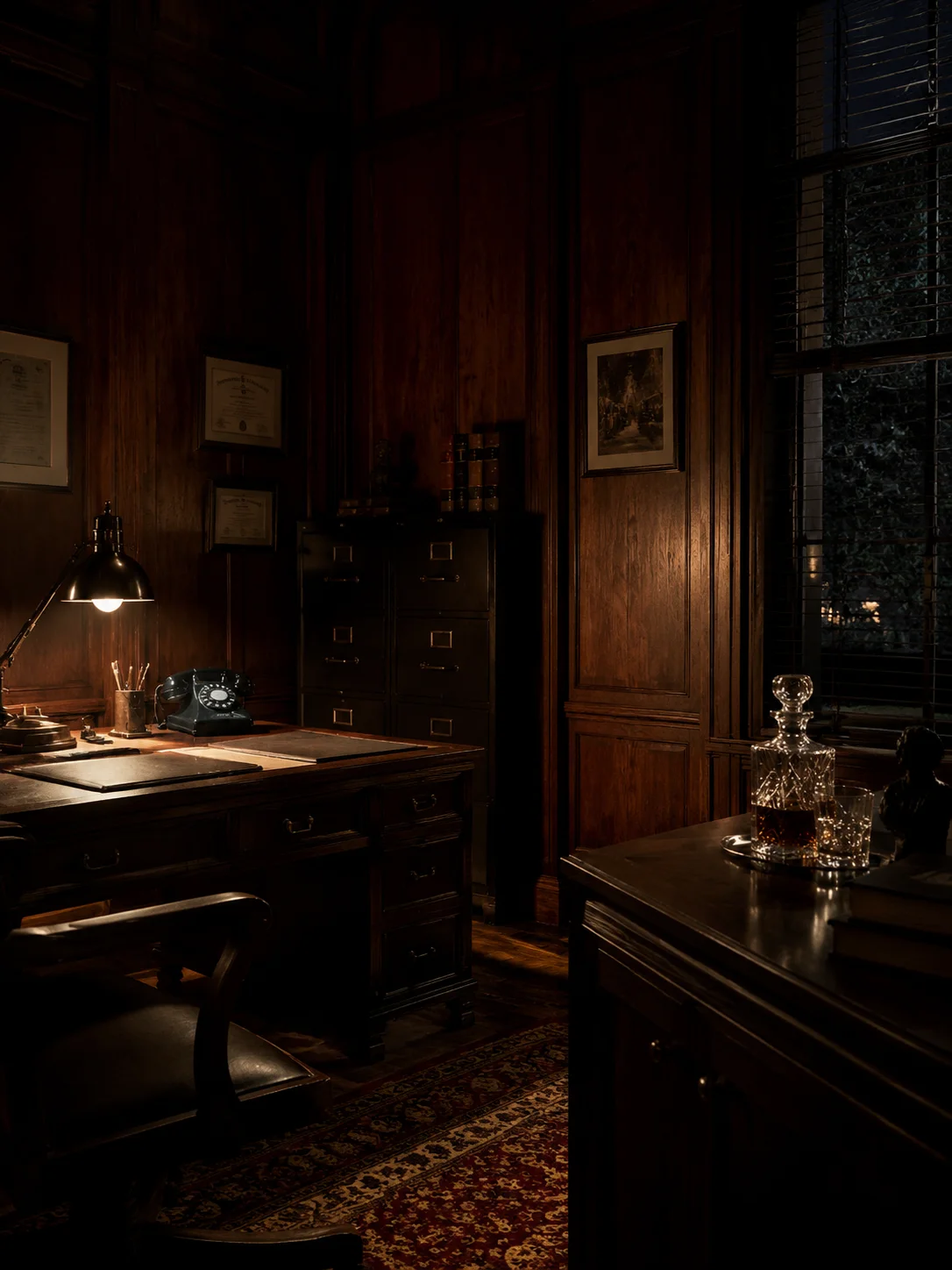
The environment is characterized by cool, still air with high acoustic density, where sounds like a ticking timer or a clearing throat are sharply defined. Lighting is provided by sparse gas jets, casting a dim, warm glow with deep shadows. The humidity is low, and the air carries the dry, mineral scent of aged vellum and beeswax polish.
 Investigation Constraints
Late-Victorian/Edwardian era academic tools: brass and mahogany telescopes with manual gear mechanisms, handwritten observatory logs in leather-bound journals, pneumatic tube message systems, telegram services, fountain pens, carbon paper for duplicating notes, mechanical clockwork timers, and early photographic plates for celestial imaging. No electronic recording, no modern computing.
✦ Related Cases ✦