The Playbill's Final Draft
An independent investigator is called to the Royal Vauxhall Theatre on the morning of a gala premiere. A leading actress is found dead in her private dressing room. The scene presents a complex tableau of professional rivalries, financial entanglements, and hurried personal concealments, all layered within the precise schedules and analog machinery of a pre-digital theatrical institution.
 Initial Crime Scene
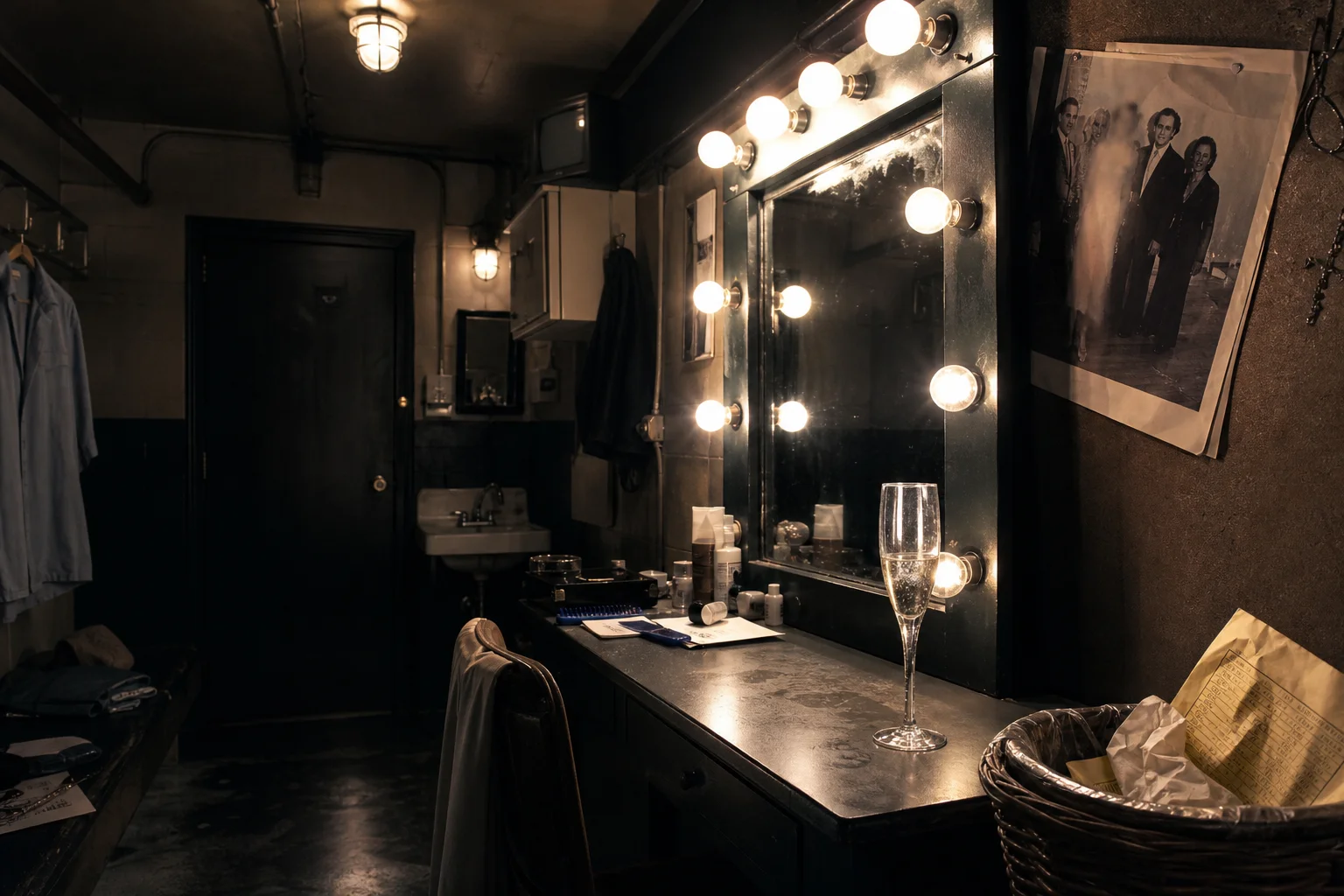
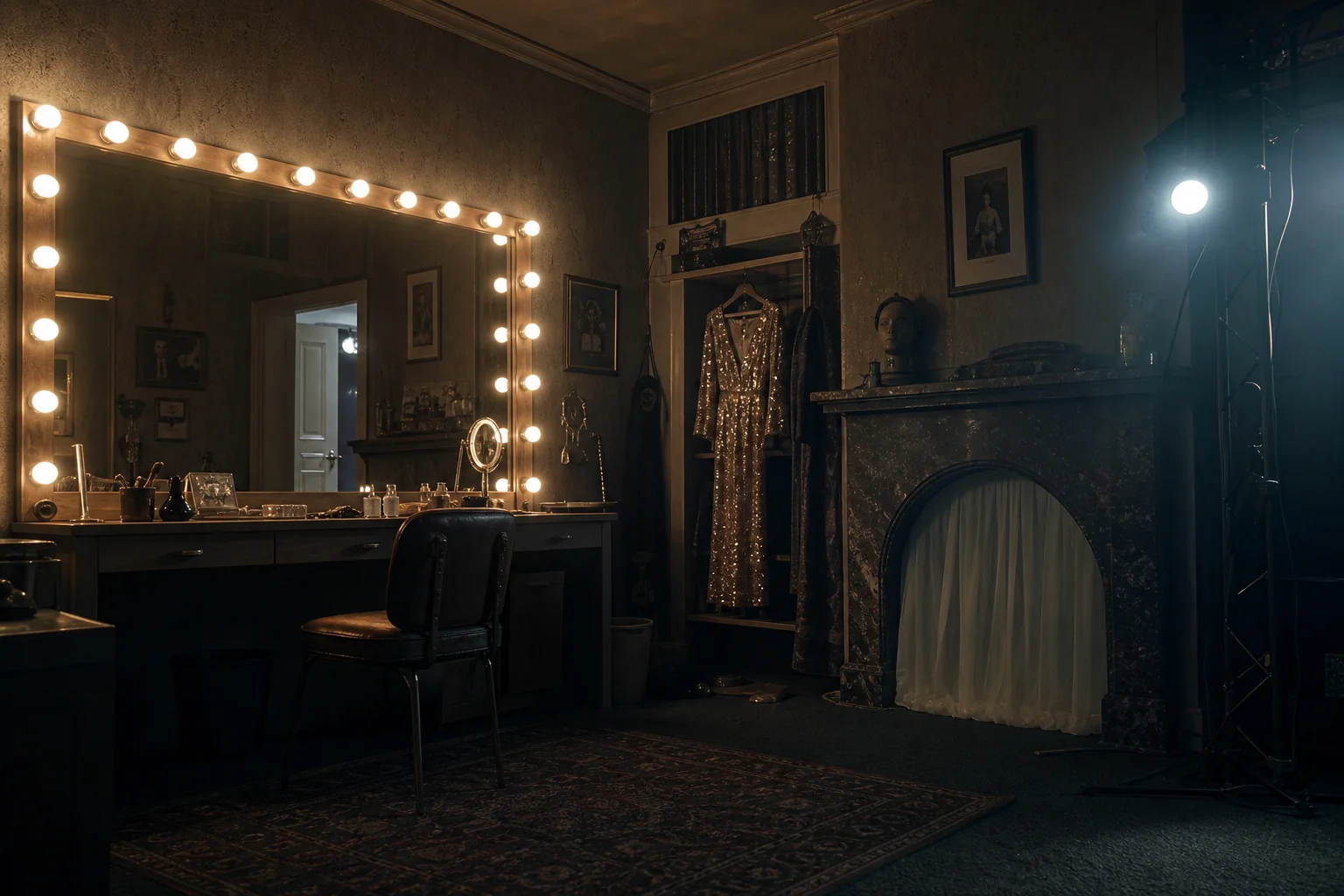
The scent of cold cream and wilting roses hangs thick in the dressing room air, undercut by a faint, sweet floral note from the blocked fireplace. The only sound is the low, electric hum of the stage lighting rig cooling. Your gaze tracks across the large, bulb-ringed vanity mirror, the sequined gala gown hanging in the open costume closet, and the dense, gauze-filled obstruction in the decorative coal fireplace flue.
 Crime Scene Environment
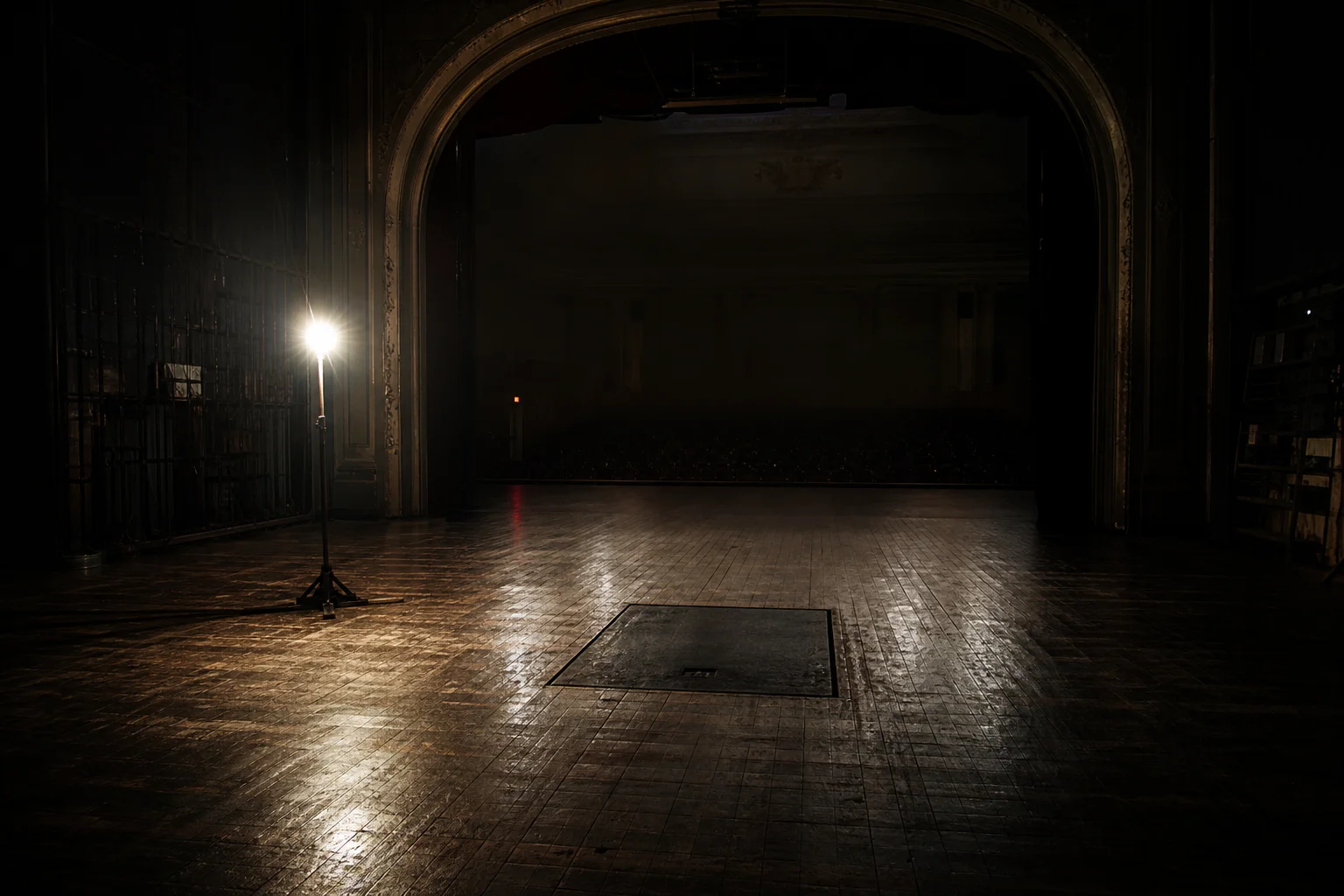
The lighting profile is a mix of harsh, bare electric bulbs from vanity mirrors and cool, blue-white spill from the stage's work lights, creating deep, sharp shadows. The humidity is low and dry, carrying the chill of the basement's mildew and the heat of the stage's electric rigs. Acoustic density is high with the constant, underlying hum of the lighting grid and the occasional distant clang of metal from the catwalks, all enclosed within the dampening presence of heavy velvet curtains and wooden walls.
 Investigation Constraints
Landline telephones, pneumatic tube message systems, paper-based ledgers, electric stage lighting rigs, mechanical door locks, gossip columnist typewriters, telegrams, and the physical printing press for playbills. All communication is analog; data exists on paper, in physical ledgers, or as spoken rumor.
✦ Related Cases ✦