The Pressure Protocol
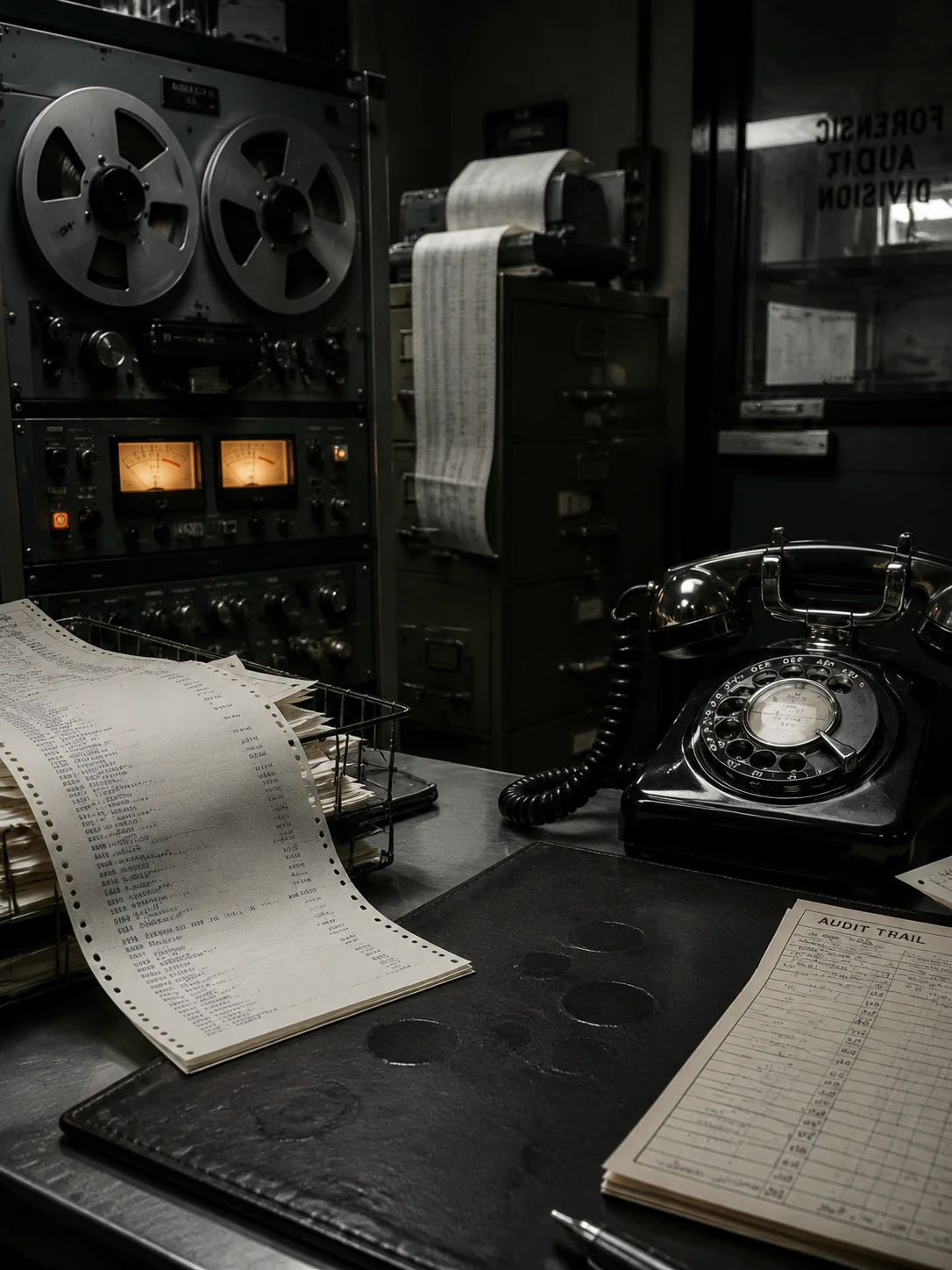
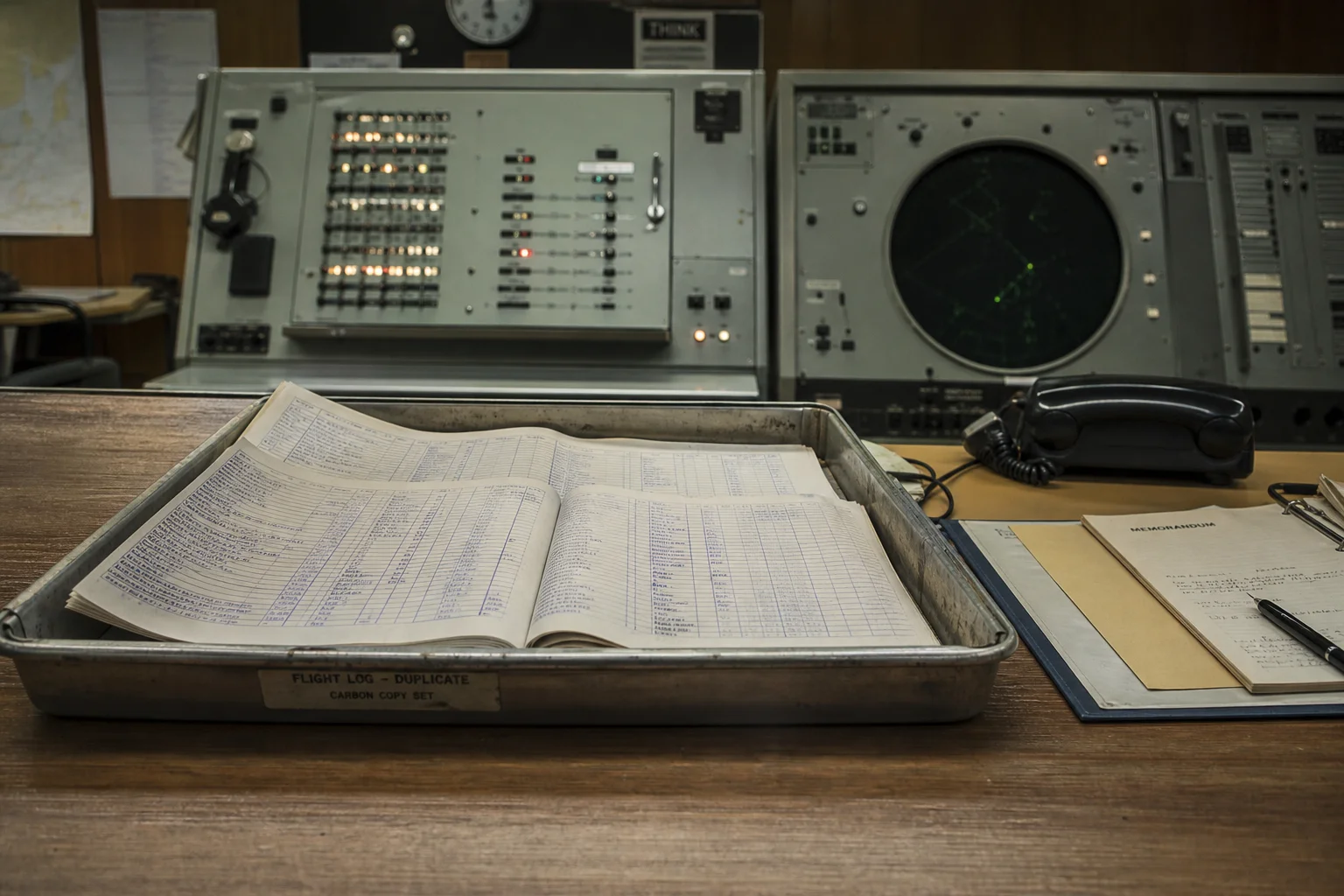
An independent investigator is called to a remote test range following the catastrophic failure of a prototype Stratocruiser aircraft. The initial data streams from analog flight recorders and physical maintenance logs present a fractured timeline and a series of procedural irregularities. The task is to reconcile the physical evidence with the testimonies of six key personnel, each operating under conflicting professional pressures, to determine the root cause of the system failure.
 Initial Crime Scene
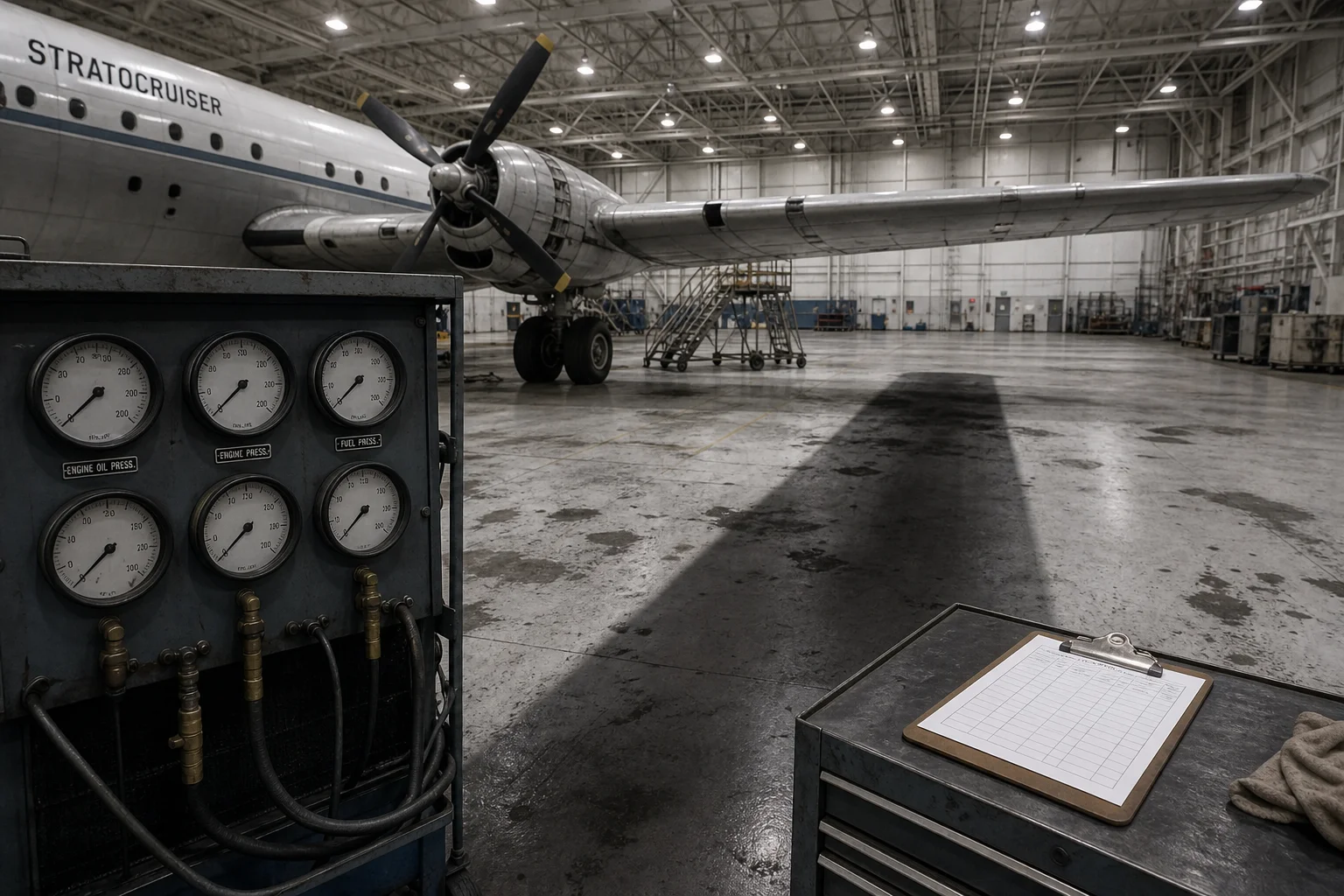
The smell of hydraulic fluid and cold concrete hangs sharp in the air, undercut by the low, constant hum of massive overhead lights. My first visual is the long, oil-stained shadow of the starboard wing stretching across the hangar floor. A second visual is the cluster of analog pressure gauges on a service cart, their needles resting at zero. A third visual is a clipboard lying on a tool chest, its paper log sheet crisp and largely empty.
 Crime Scene Environment
The environment is a high-bay maintenance hangar under flat, high-intensity industrial lighting that eliminates shadow detail. The air is cool and dry, with low humidity maintained by the climate control system. The acoustic profile is dominated by a pervasive, low-frequency mechanical hum from the ventilation and electrical systems, with sparse, distant metallic echoes.
 Investigation Constraints
1990s-era corporate aviation. Systems include analog flight data recorders (black boxes), early digital flight management computers (FMC), hydraulic actuators with manual override, landline telephones, fax machines, encrypted pagers, pneumatic tube message systems in corporate headquarters, and physical engineering blueprints. No internet, wireless, or modern biometrics.
✦ Related Cases ✦