The Silent Circuit
An investigation into the death of a corporate executive within a high-security executive wing. Six employees, each with access to sensitive systems and data, present statements that create a complex web of digital logs, physical evidence, and conflicting testimonies. The task is to untangle the forensic and digital anomalies to establish a coherent sequence of events.
 Initial Crime Scene
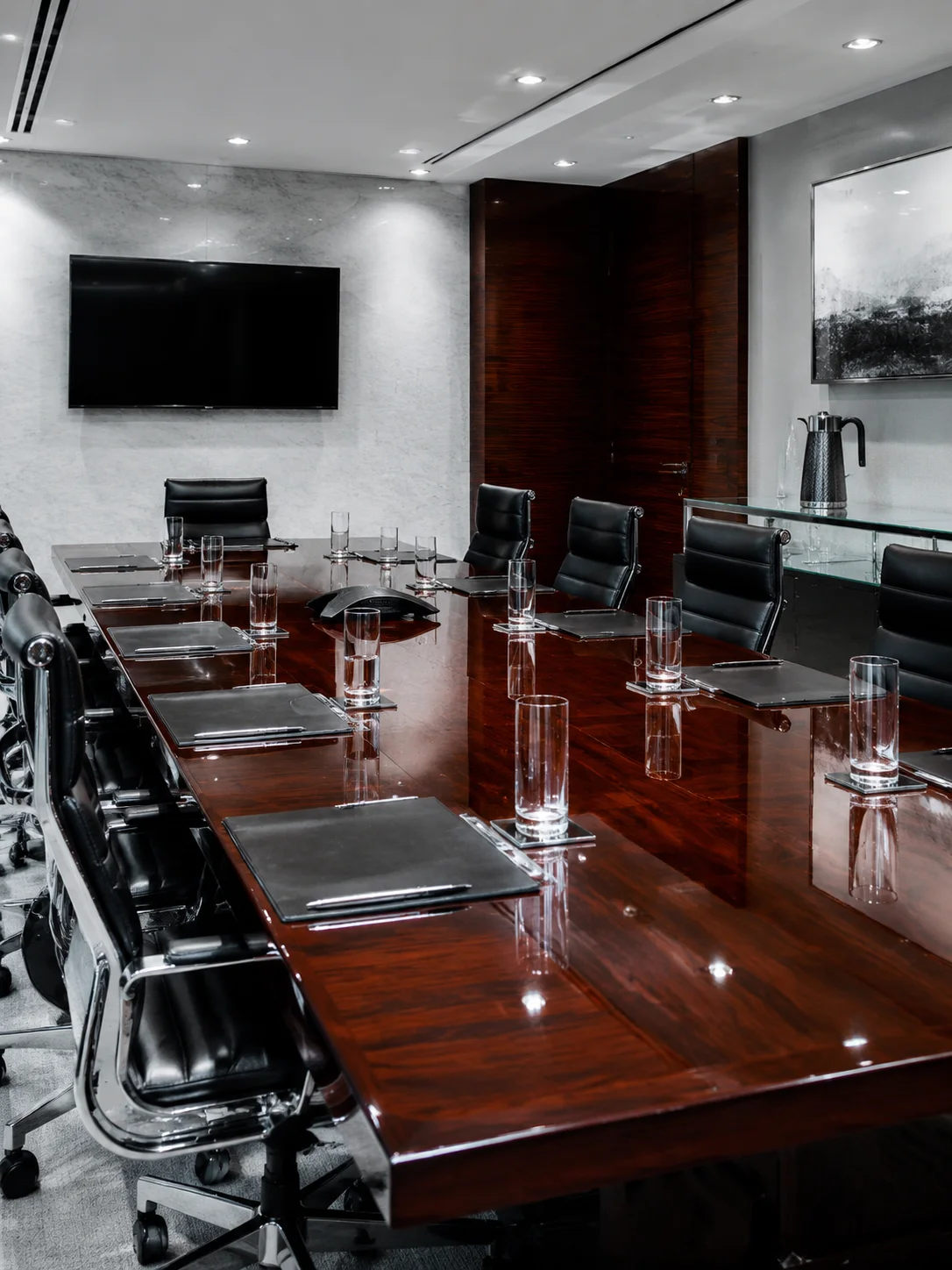
A sharp, antiseptic scent of industrial cleaning solution cuts through the sterile air of the executive boardroom. The low, persistent hum of the HVAC system forms a constant auditory backdrop. Before you, the polished, unyielding surface of the mahogany conference table reflects the gleam of recessed chrome light fixtures. On a glass-and-chrome credenza, a sealed carbon-fiber water pitcher sits, its polished surfaces catching the light. The room is silent, charged with a hushed urgency.
 Crime Scene Environment
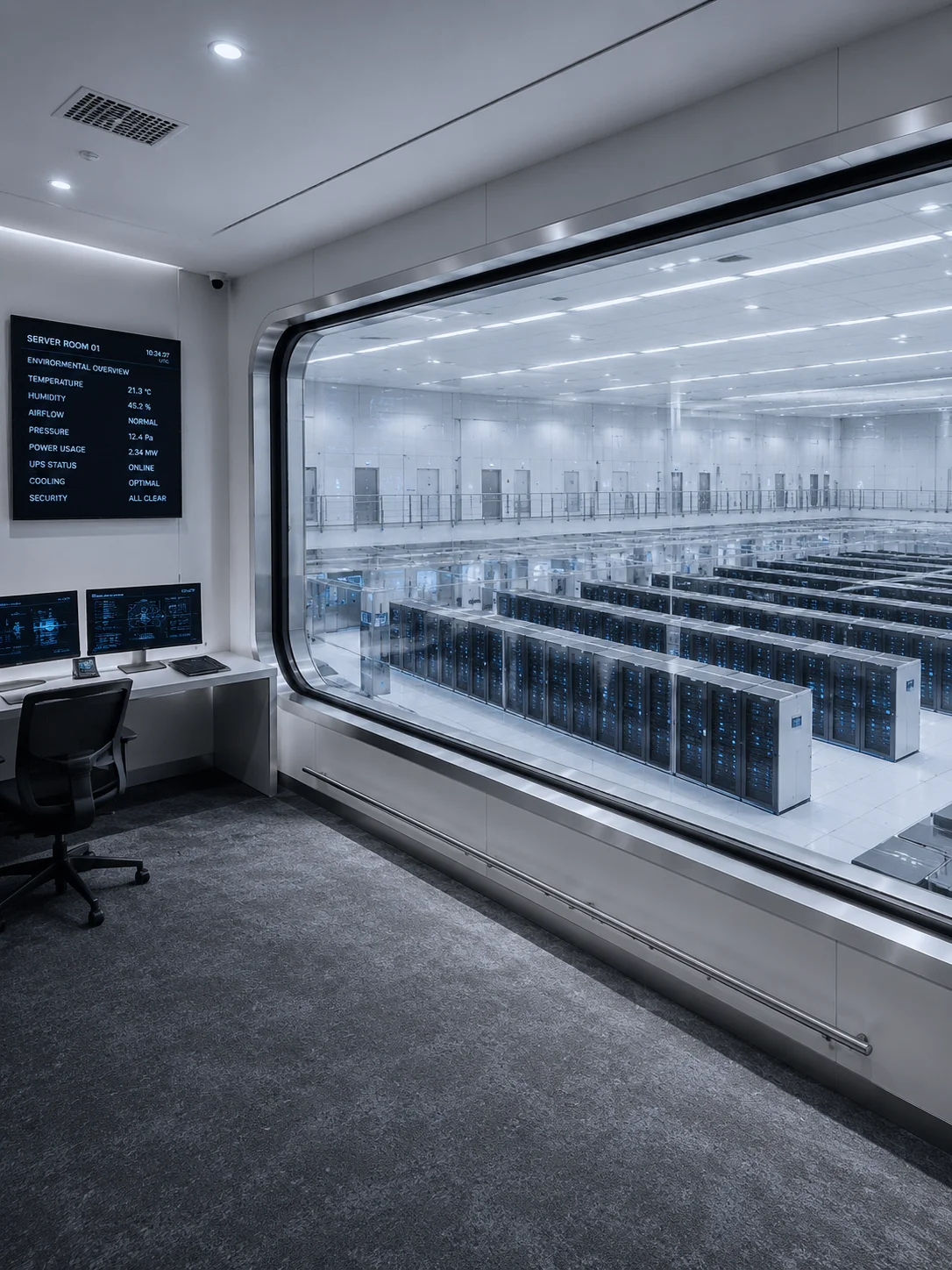
The lighting profile is recessed, shadowless, and clinically bright. The air is climate-controlled, with low humidity and a cool, maintained temperature. Acoustic density is low, characterized by the muffled hum of air processing and the faint, rhythmic pulse of server fans from adjacent technical spaces.
 Investigation Constraints
High-security biometric door logs (thumbprint scanners), encrypted corporate intranet with internal messaging servers, digital timestamped video surveillance with 24-hour overwrite cycles, forensic toxicology scanners, server room access protocols, personal smartwatches with calendar and communication functions, paper shredders with jam-error indicators.
✦ Related Cases ✦