The Sterile Corridor
An independent forensic specialist is summoned to a prestigious teaching hospital following a patient fatality. Initial data streams reveal discrepancies in medication logs and timelines, suggesting procedural contamination rather than a singular, coordinated event. The investigation aims to untangle overlapping institutional records and testimonial friction.
 Initial Crime Scene
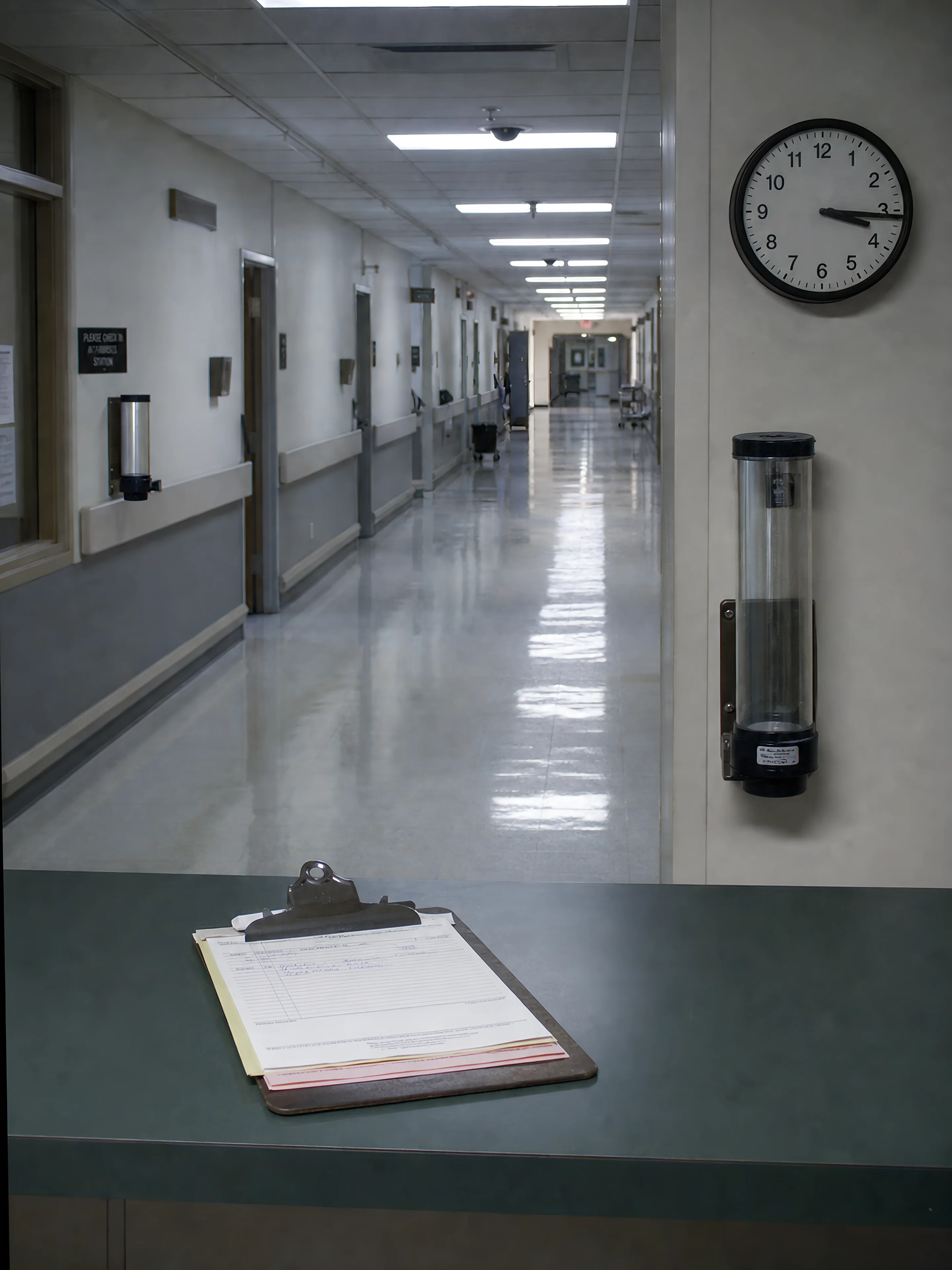
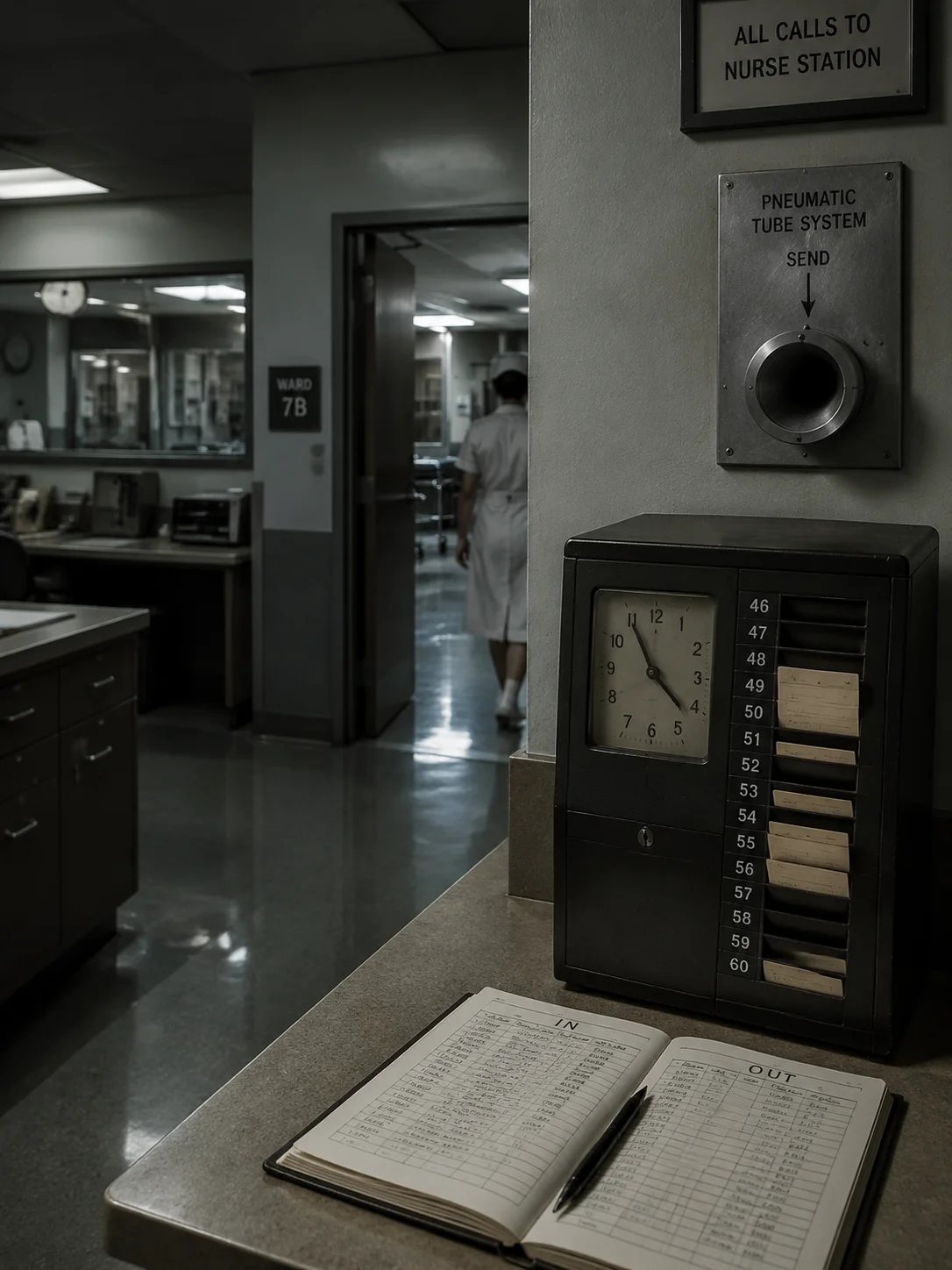
The antiseptic bite of formaldehyde and alcohol stings your nostrils as you step onto the polished linoleum. The anxious, sequential clatter of the pneumatic tube system echoes from a distant corridor. Your gaze catches the cold, flickering light of fluorescent tubes overhead, the stark, starched-white of a nurse's uniform moving past a doorway, and the heavy, numbered stamp mechanism resting beside an open 'IN/OUT' log book.
 Crime Scene Environment
A pervasive, institutional gray encloses the sandbox under a profile of cold, flickering fluorescent lighting. The air carries a clinical, antiseptic humidity with a starched crispness to the temperature. Acoustic density is marked by a low, procedural hum punctuated by the distant, metallic hiss of pneumatic tubes and the anxious click of time clocks.
 Investigation Constraints
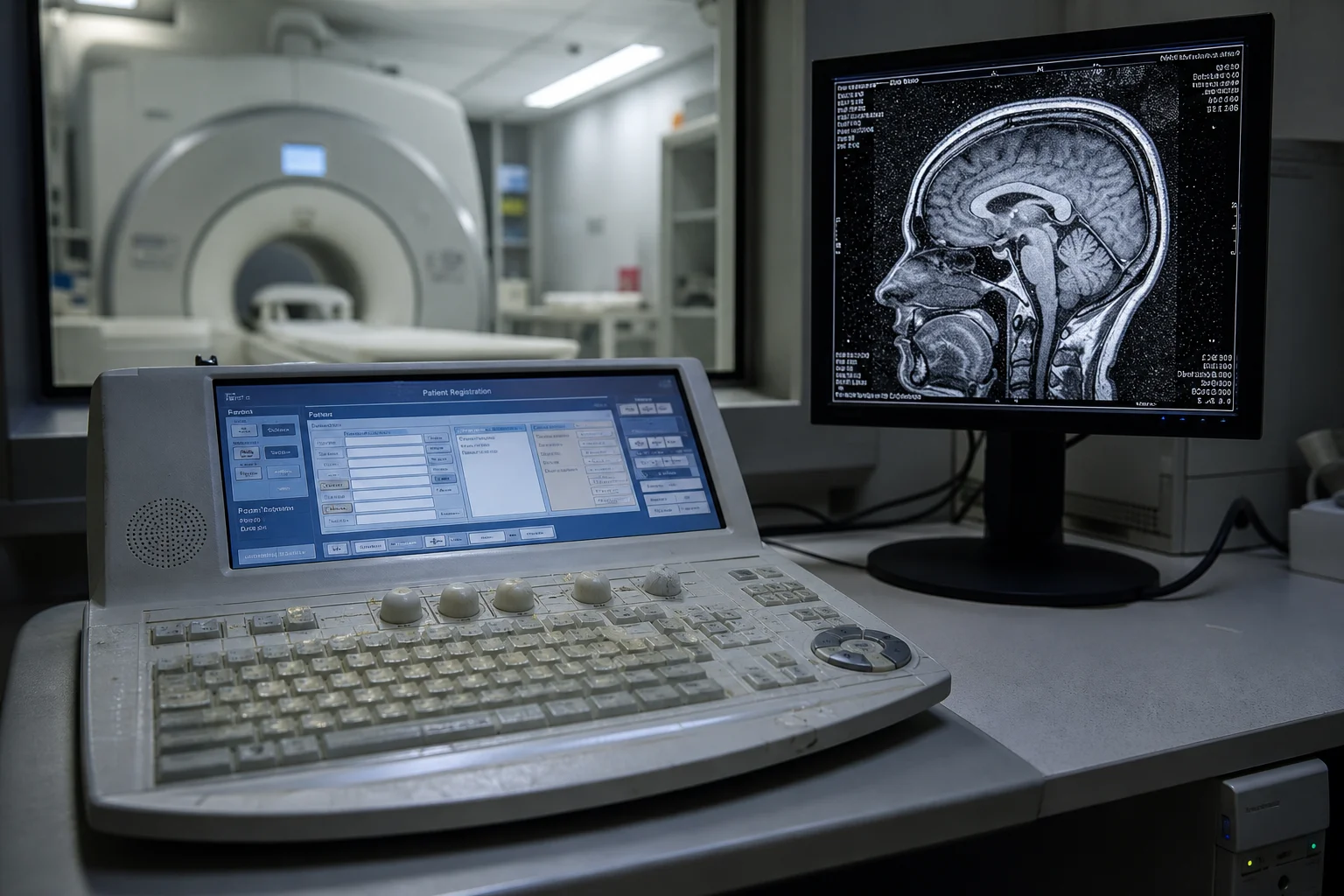
Pneumatic tube message systems, paper-based medical charts with carbon copies, telegraph machines, manually operated telephone switchboards, basic electronic heart-rate monitors (late 1940s/early 1950s technology), locked filing cabinets, ink-stamp time clocks, and rudimentary intranet paging systems (buzzers/flags).
✦ Related Cases ✦