The Systemic Fog
At a private soirée hosted by an aerospace magnate, the discovery of a coded artifact on a rare philatelic item initiates a forensic procedure. The investigative environment is compromised by intersecting procedural errors, unscheduled system cycles, and contradictory witness statements from four high-society attendees, each engaged in personal conduct they wish to conceal.
 Initial Crime Scene
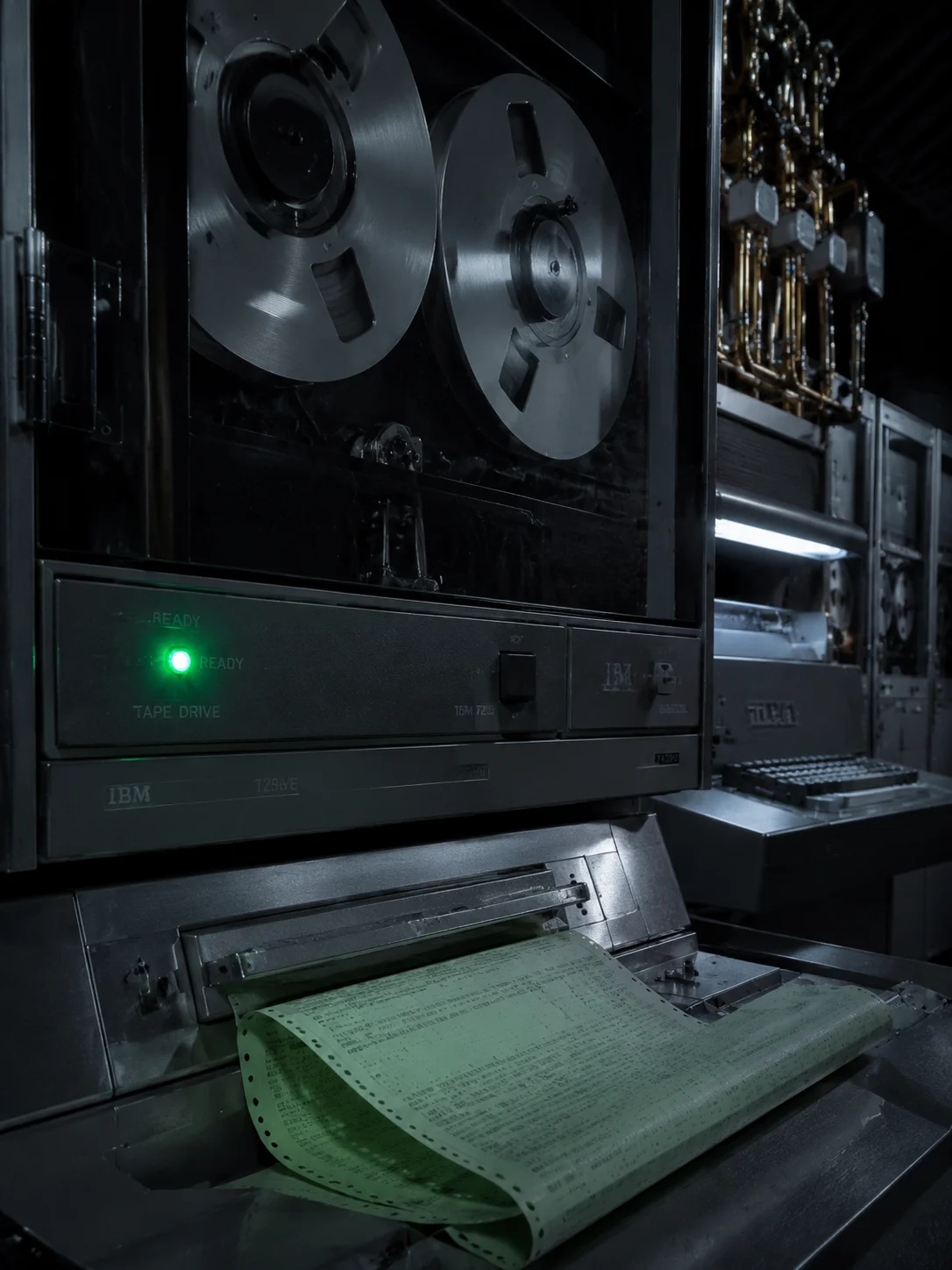
The first visual is the blinking green indicator on the mainframe's tape drive, a silent pulse in the sterile darkness. An olfactory layer of ozone and warm electronics hangs heavy in the conditioned air. The mechanical clatter and reset of a Telex machine at precise intervals provides the sole rhythmic audio cue. A continuous-feed, green-bar paper printout lies curled beneath the console. The pneumatic tube system's brass station glints dully under the fluorescent buzz.
 Crime Scene Environment
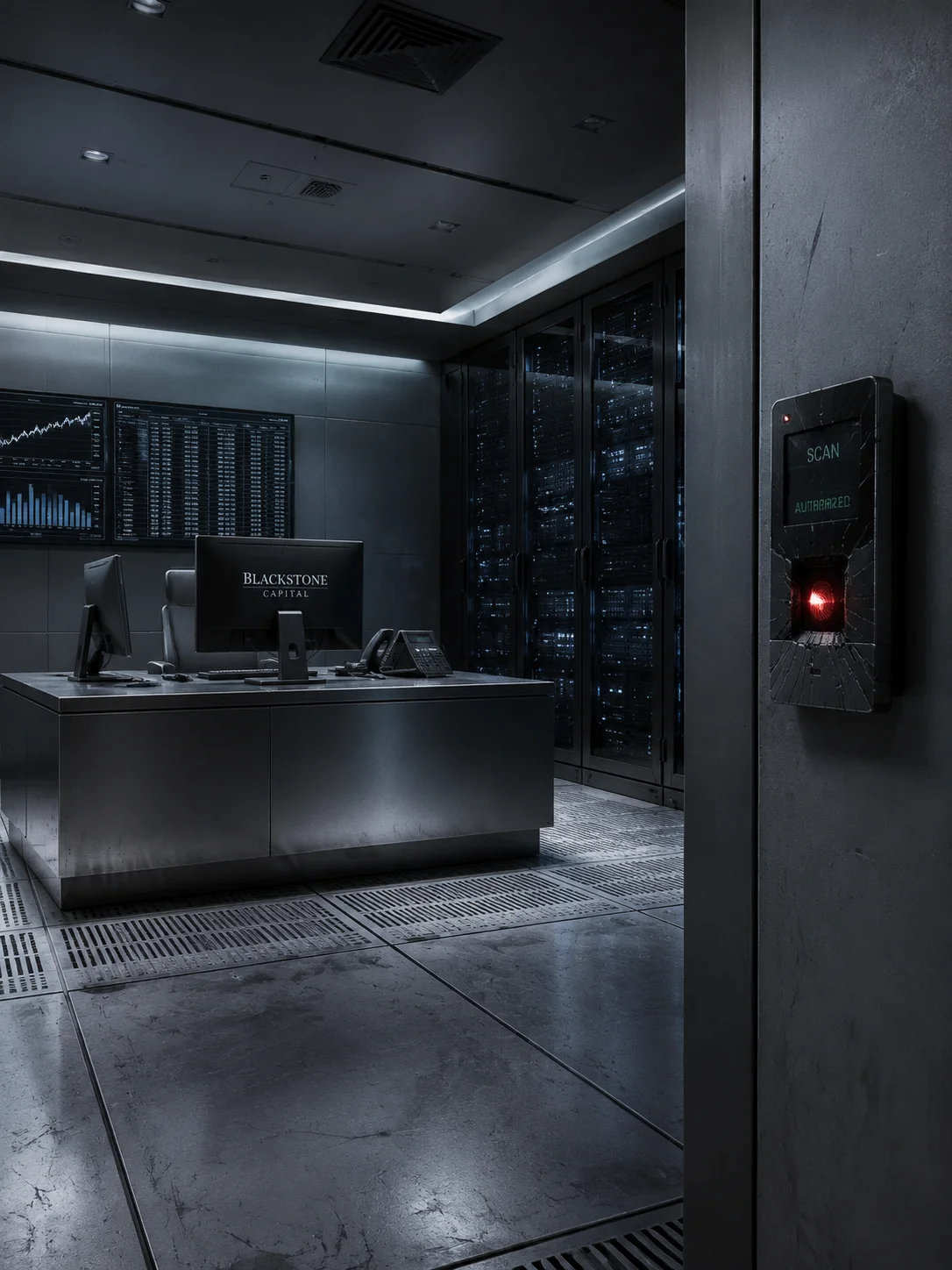
The lighting profile is uniformly cold fluorescent, casting a sterile, shadowless glare with intermittent flicker. The humidity and temperature profile is climate-controlled and dry, with a persistent, cool draft from ventilation ducts. The acoustic density is dominated by a low-frequency hum from machinery, punctuated by scheduled, mechanical clatters from peripheral devices.
 Investigation Constraints
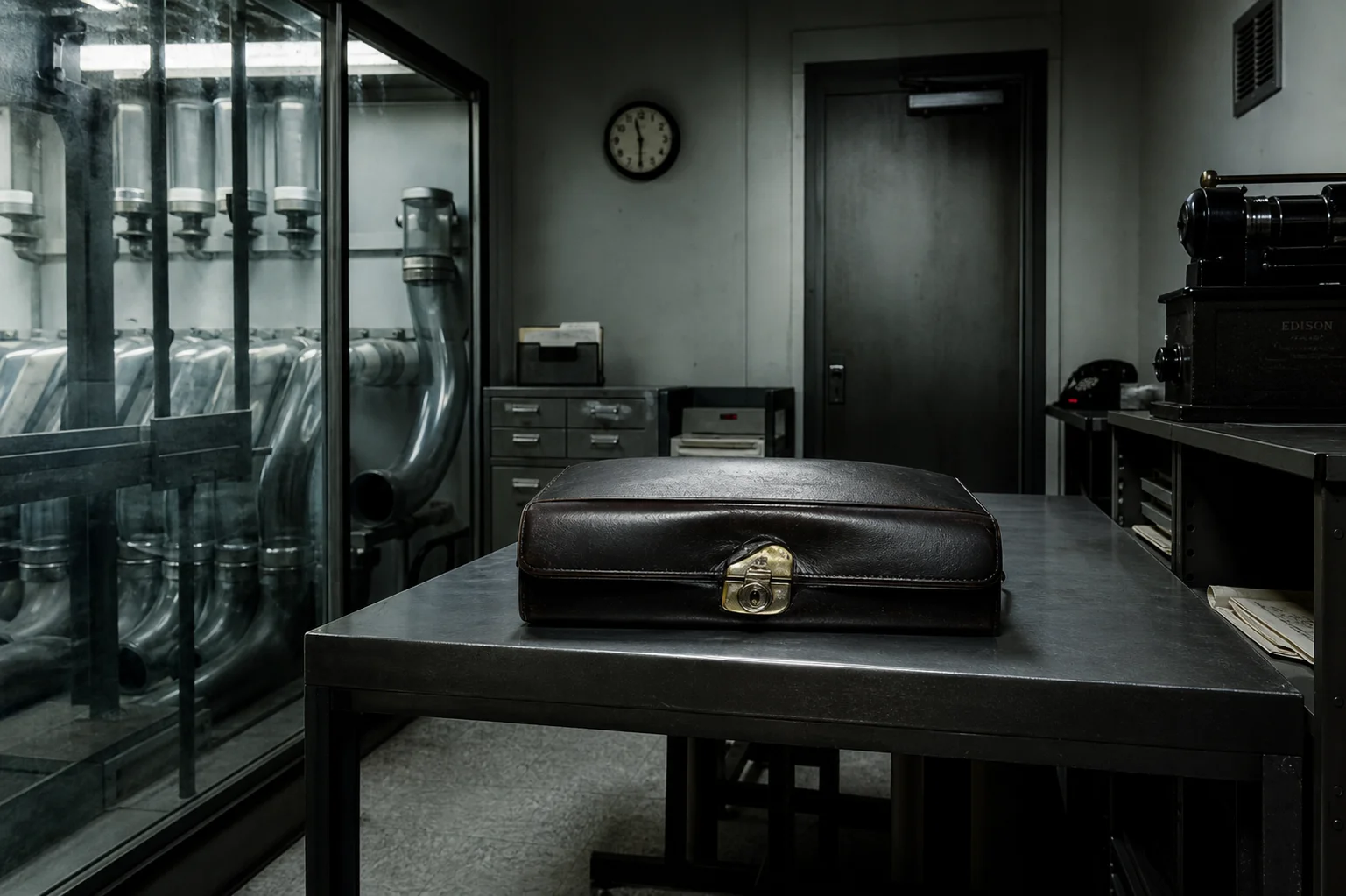
Cold War-era analog and early digital technology: rotary telephones, Telex machines, microfilm viewers, pneumatic tube systems, early mainframe computers with punch-card input, primitive electronic document shredders, mechanical combination locks, and a closed-circuit internal telephone network within the embassy-like mansion. All data is physical (paper, film, magnetic tape) or requires heavy, visible machinery.
✦ Related Cases ✦