The Data Stream
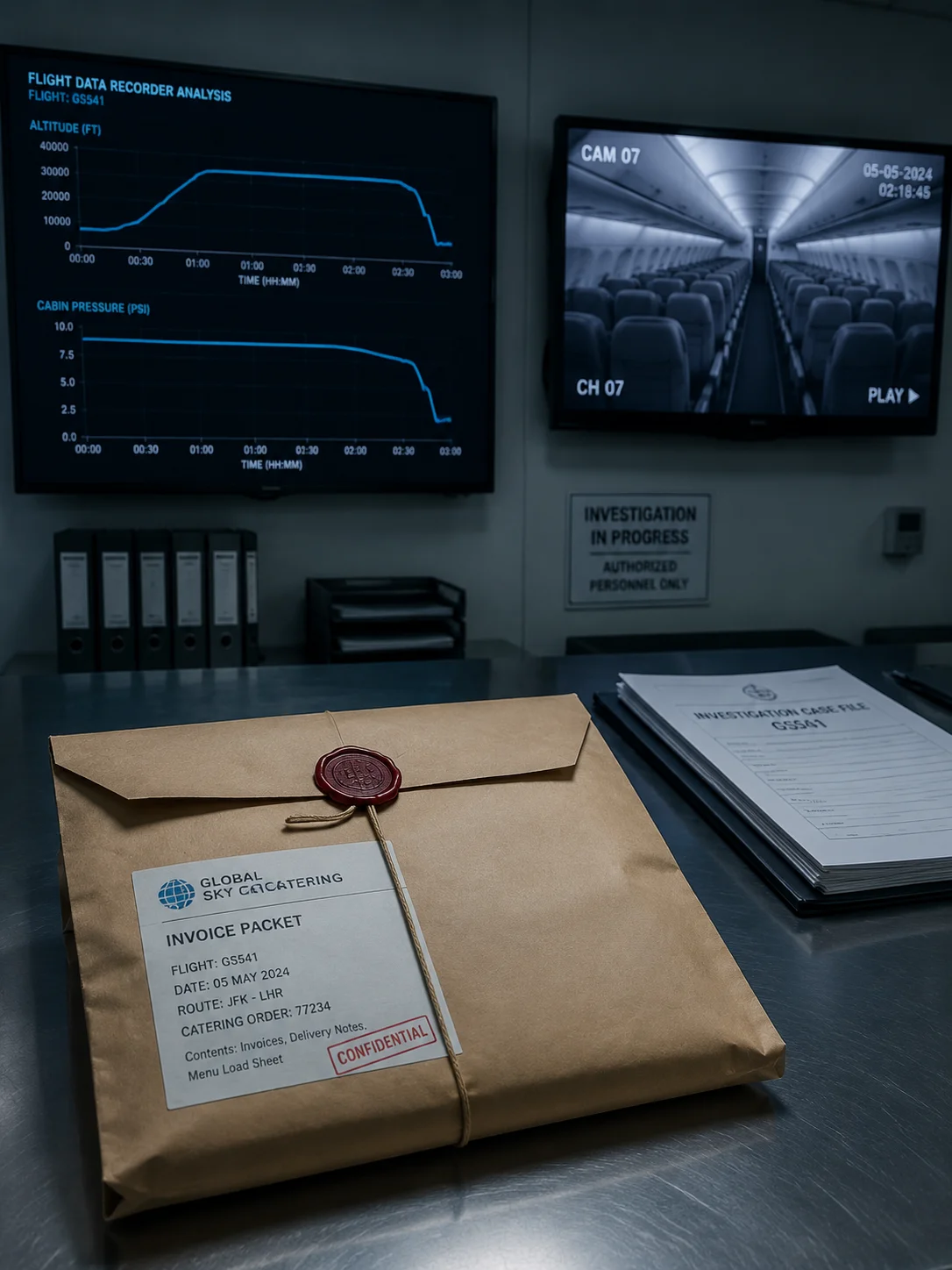
An independent forensic specialist is tasked with analyzing the objective data trails generated during a transatlantic commercial flight. The investigation focuses on reconstructing the precise sequence of digital and physical events surrounding a passenger medical incident, examining access logs, network traffic, and biometric records for systemic irregularities.
 Initial Crime Scene
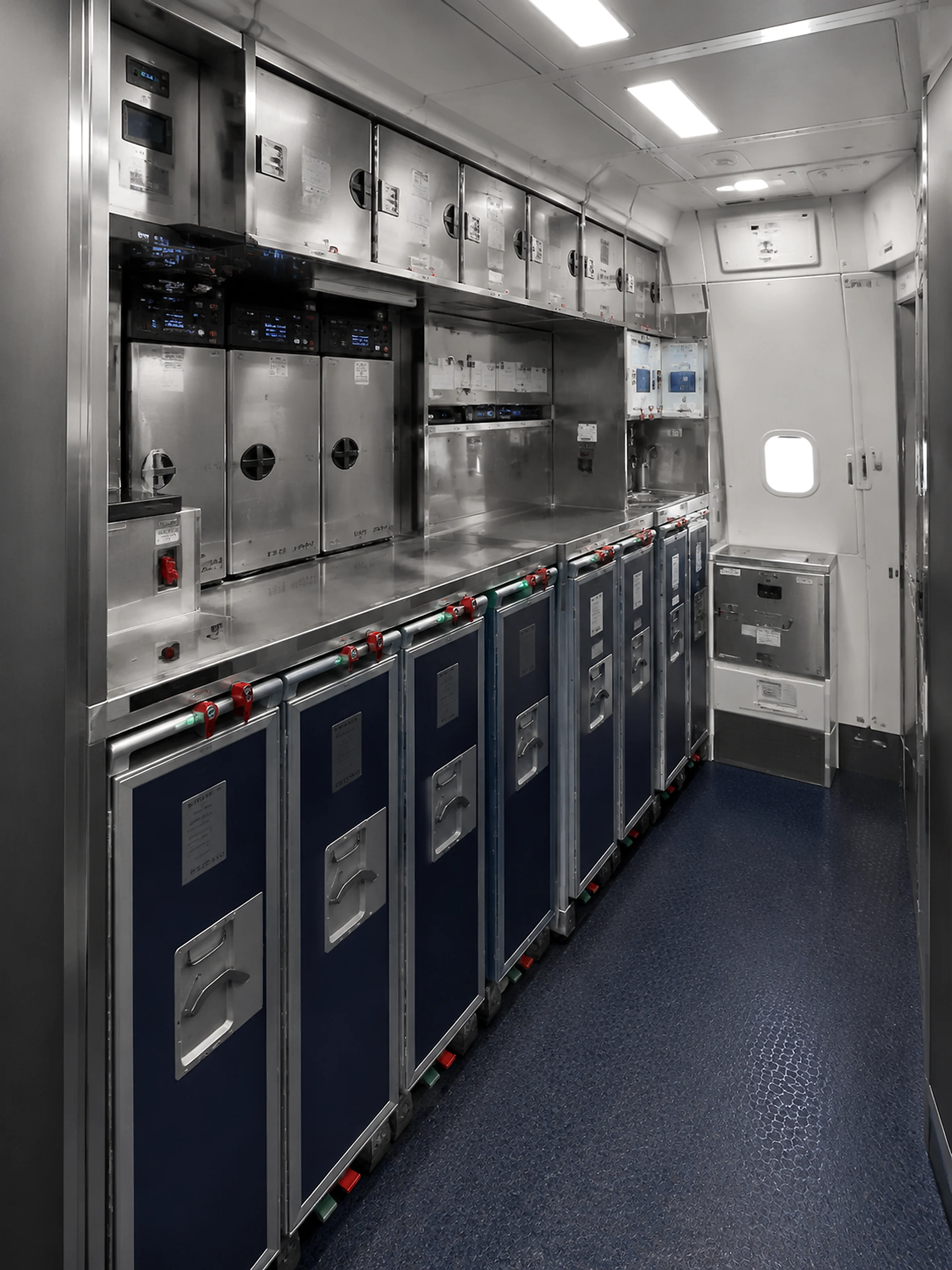
The scent of recycled, sterile air mingles with the faint chemical bite of cleaning solution. A low, constant hum from refrigeration units vibrates through the stainless-steel surfaces. Your first visual readouts are the flat, clinical glow of fluorescent lights on polished metal, the orderly rows of digital status lights on a bank of locked meal carts, and the cold, reflective surface of a galley countertop.
 Crime Scene Environment
The operational envelope is a modern commercial aircraft interior characterized by pervasive cool, dry, artificial climate control with low acoustic density. Lighting profiles are uniformly clinical and overhead, eliminating shadows. Acoustic density is dominated by the persistent low-frequency drone of avionics and life-support systems.
 Investigation Constraints
Modern commercial aviation environment. Tools include: personal smartphones, encrypted messaging apps, cabin management tablets, digital galley inventory systems, biometric crew ID scanners, encrypted corporate servers, portable forensic data extractors. Communication is via Wi-Fi (when enabled), satellite phone, and crew intercom. Locks are electronic, accessed via keycards or biometrics. All data is logged in proprietary airline systems.
✦ Related Cases ✦