The Institutional Pulse
An independent forensic investigator is summoned to a high-stress medical institution following a patient fatality. The incident involves discrepancies between physical records, digital logs, and staff testimonies within a strictly audited, high-stakes environment. The objective is to untangle the timeline and determine the sequence of events.
 Initial Crime Scene
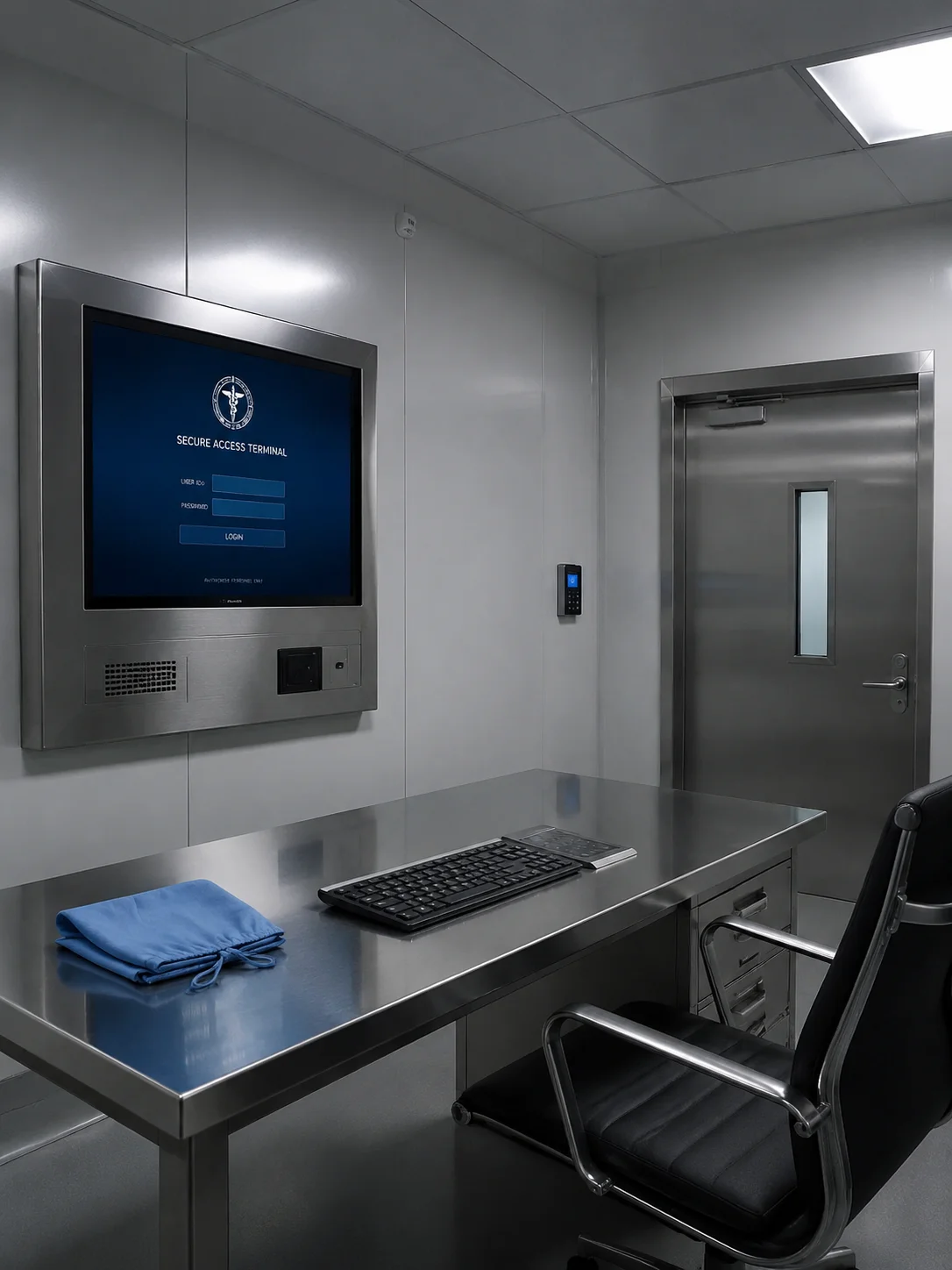
The sharp, sterile scent of industrial disinfectant cuts through the air, overlaying the faint, metallic tang of medical equipment. A low, pervasive hum from the building's climate control system underscores the silence. Before you, a stainless-steel desk reflects the cold, white light of a single wall-mounted terminal, its screen displaying a login prompt. Beside the keyboard, a sterile surgical cap lies in a precise, deliberate fold. The only sound is the soft whir of a hard drive from within the terminal.
 Crime Scene Environment
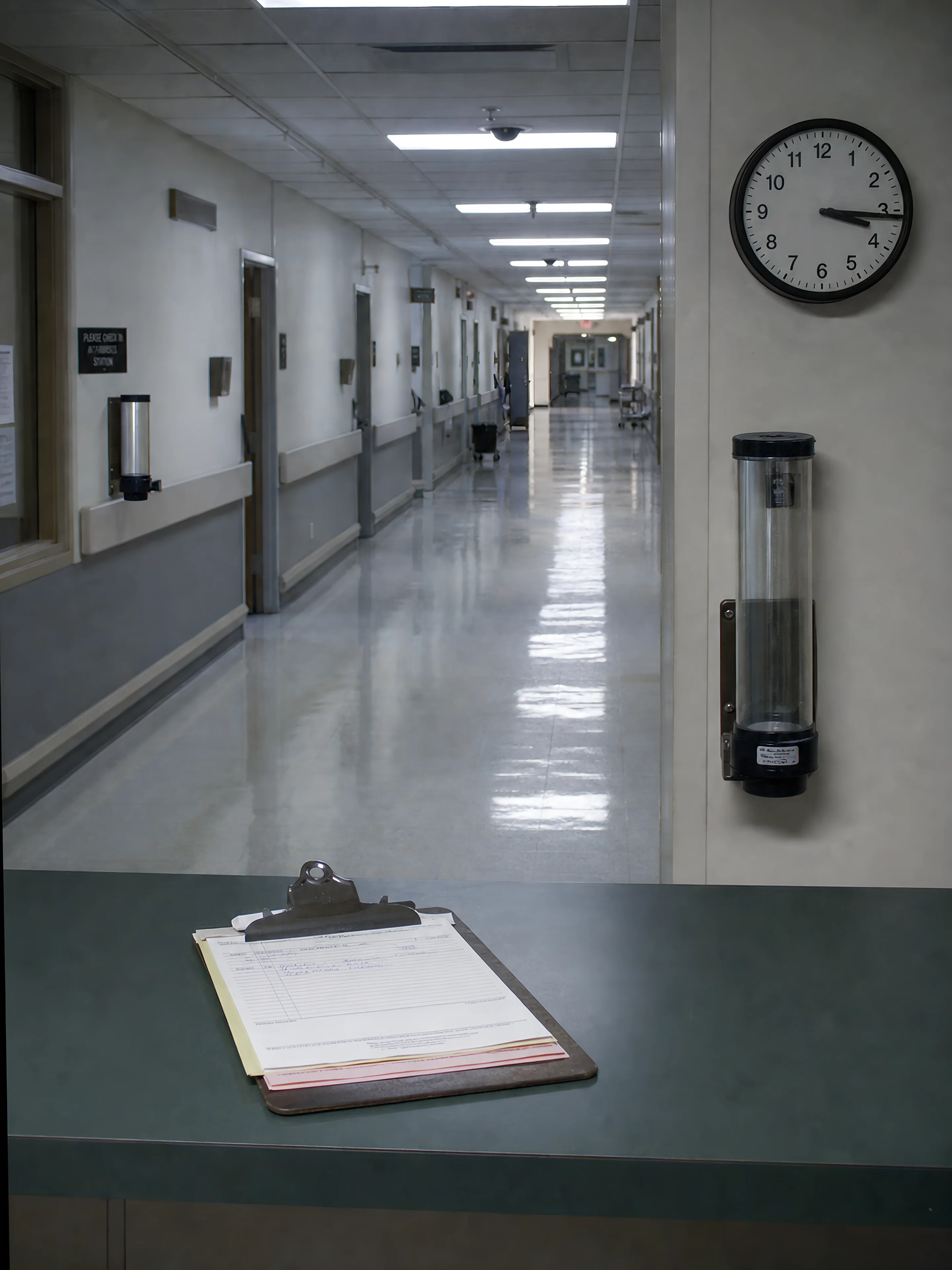
Lighting is uniformly clinical, consisting of recessed fluorescent panels that cast a flat, shadowless illumination. The air maintains a cool, controlled humidity with a consistent, low acoustic density dominated by the hum of ventilation and distant, muffled electronic beeps. All surfaces are polished, institutional, and unadorned.
 Investigation Constraints
Centralized patient electronic health records (EHR) with server-side audit trails, digital medication dispensing systems with biometric access logs, internal hospital paging systems, CCTV in public corridors only, basic encrypted email for administrative use, analog backup paper charts in locked filing cabinets.
✦ Related Cases ✦