The Perdition Ledger
An investigation into the death of a landowner in the frontier town of Perdition's Gulch. The body was discovered with a burned symbol on the chest, leading to widespread superstitious fear among the populace. The inquiry must navigate a complex web of property claims, personal histories, and community secrets to determine the sequence of events.
 Initial Crime Scene
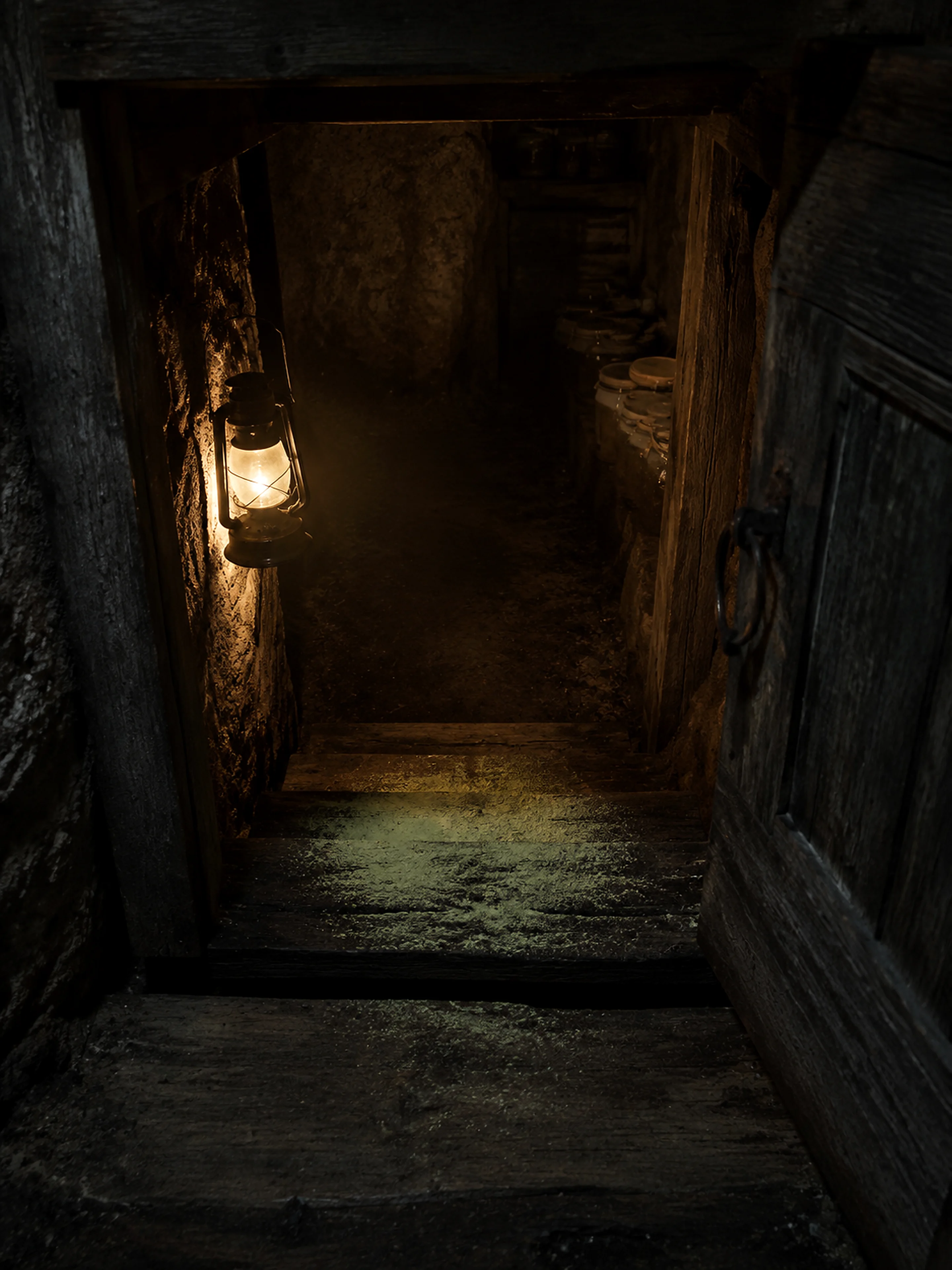
The heavy scent of lye soap and wet earth floods the air as you step through the open root cellar trapdoor. A coal-oil lantern swings from a low beam, casting long, wavering shadows that crawl across the earthen walls. A sharp, acrid chemical odor cuts through the dampness. Your boots find the first wooden step, groaning under your weight. A fine, pale-green powder coats the next step, a dry, chalky texture against the dark wood. The unique groan and dust patterns of the root cellar trapdoor are your only guide.
 Crime Scene Environment
The sandbox is characterized by a pervasive lantern-lit suspicion, where light sources are weak and localized, creating pools of stark illumination amidst deep, ominous shadows. The humidity is high, with a damp, bone-chilling cold that clings to fabric and wood. Acoustic density is low, dominated by the creaking of old floorboards, distant, muffled voices, and the hollow sounds of an isolated frontier town at night.
 Investigation Constraints
Late 19th-century frontier technology. Key mechanisms include: iron padlocks with specific keyhole wear patterns, mechanical spring-loaded clocks for timed events, coal-oil lamps for light and shadow play, manual telegraph for limited long-distance communication, ledger books and handwritten journals for record-keeping, leather satchels and saddlebags for transport, and rudimentary chemistry (acids, alkalis) for bodily or evidence alteration.
✦ Related Cases ✦