The Sterile Sum
An independent forensic systems auditor is dispatched to St. Jude's Memorial Hospital following a fatality in Operating Room 2. The primary event is recorded by a complex array of automated logs and encrypted communications. All personnel present are subject to systematic data review and biometric verification.
 Initial Crime Scene
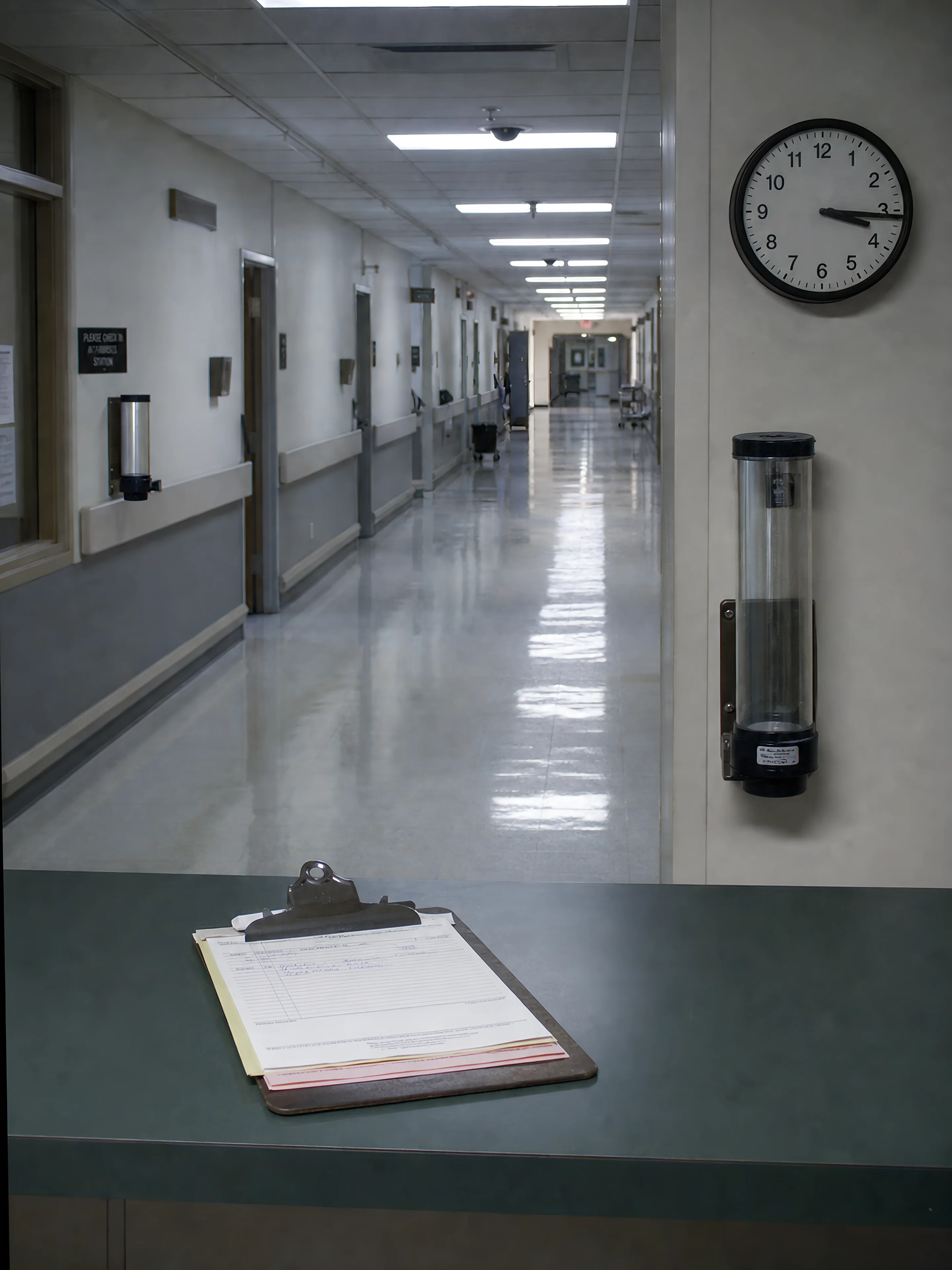
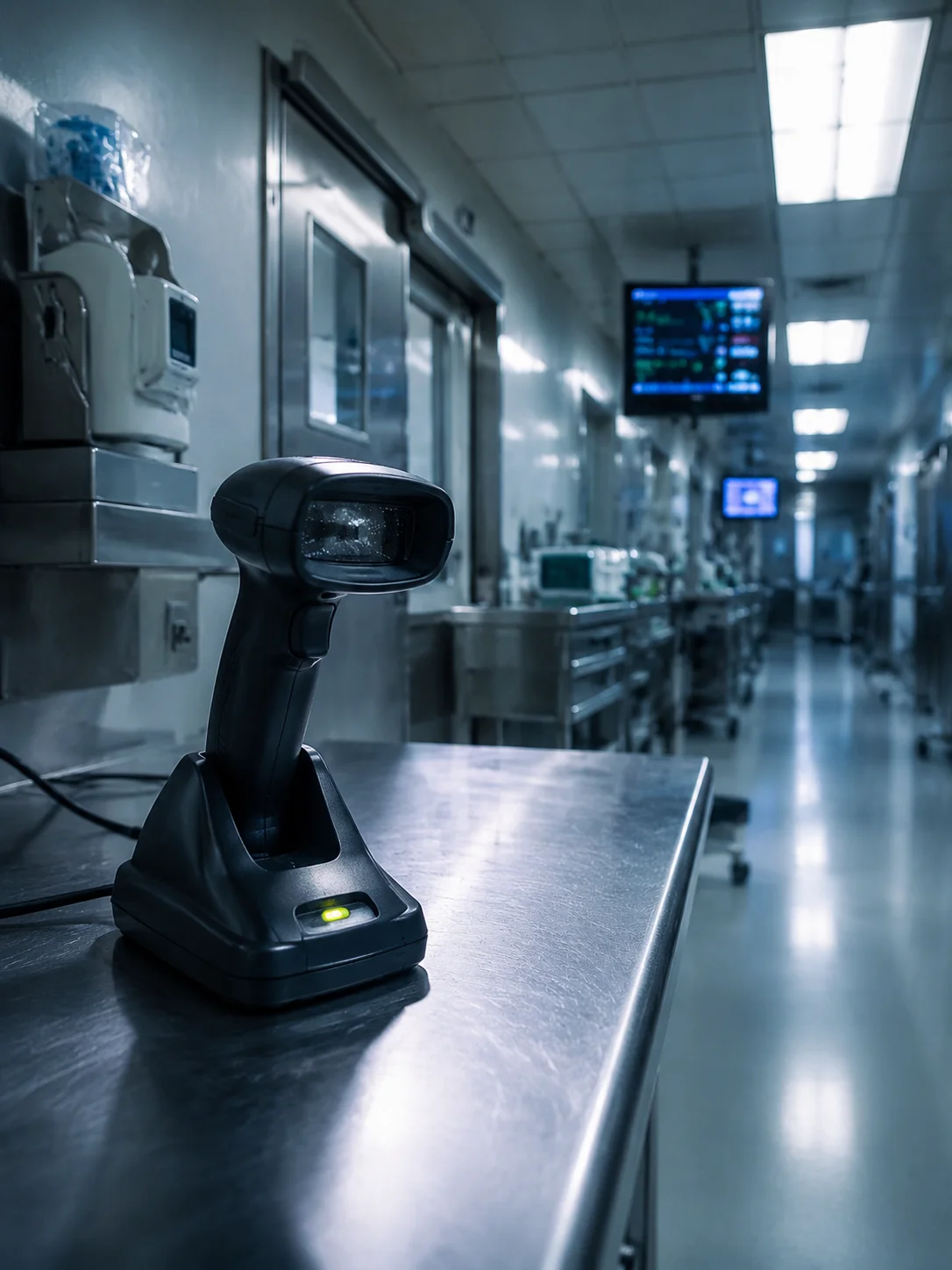
A cold draft carries the faint, sharp scent of ozone and antiseptic wipes as you cross the threshold into OR-2's sterile corridor. Your first visual impression is of relentless, flickering fluorescent task lighting casting sterile shadows across seamless stainless-steel counters. The ambient sound is the low, constant hum of air filtration units. A single barcode scanner rests in its powered cradle, its laser aperture lens beaded with condensed moisture.
 Crime Scene Environment
The operational envelope is a high-protocol medical environment under rigid automation. Lighting is uniformly clinical and high-intensity, eliminating natural shadow. Air humidity is low, temperature is maintained at a standard sterile 20°C, creating a perceptible chill. Acoustic density is dominated by the continuous, low-frequency hum of HVAC and electronic systems, with minimal conversational noise.
 Investigation Constraints
Modern integrated hospital systems: Electronic Medical Records (EMR), biometric access logs for drug dispensing cabinets (Pyxis/Omnicell), digital anesthesia machine event logs with timestamps, barcode scanning for surgical instrument and sponge counts, internal paging systems, and encrypted staff communication channels (SecureText).
✦ Related Cases ✦