The Swapped Ledger
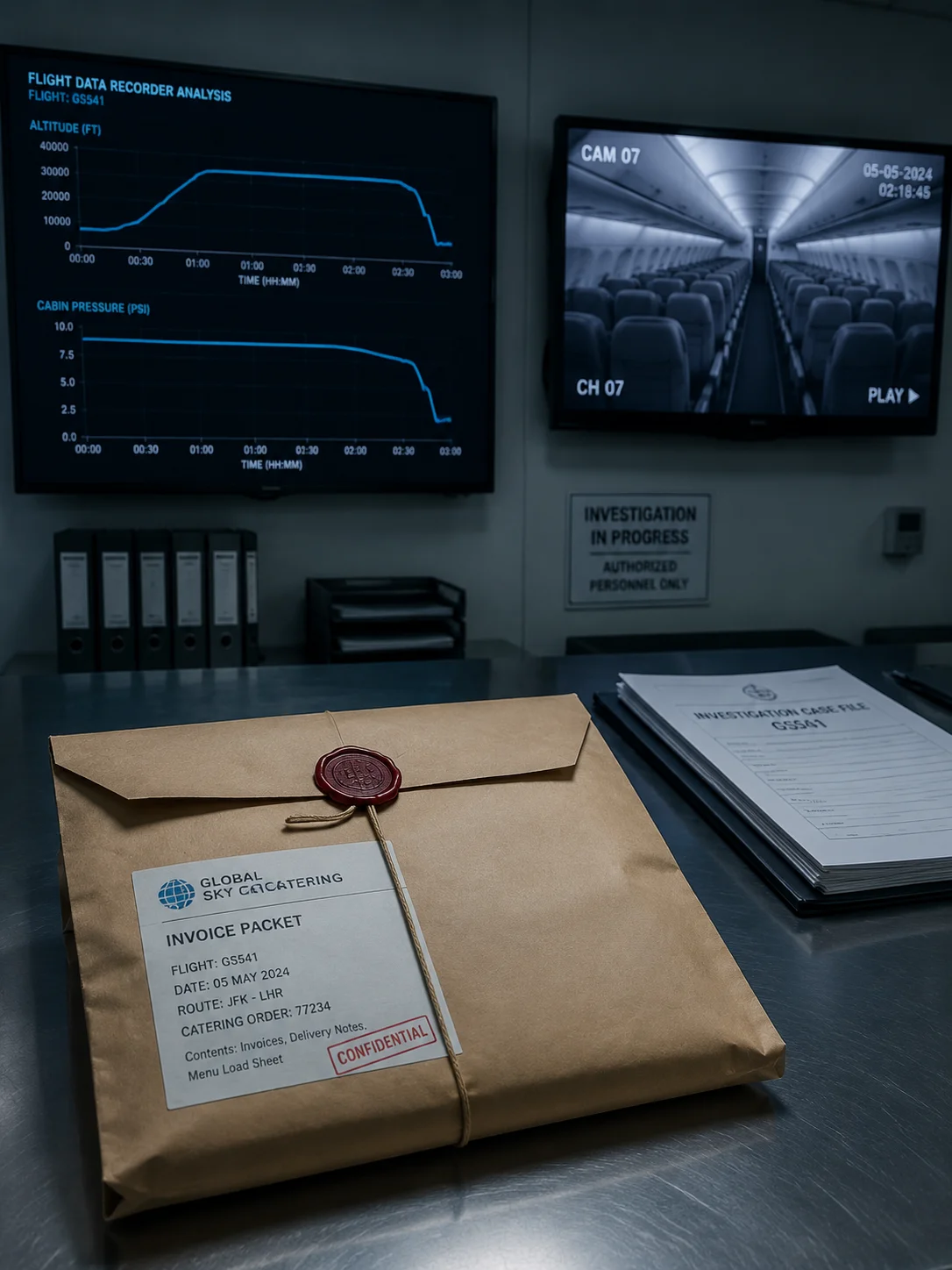
A multi-departmental audit of a Pan-Atlantic Airways flight reveals a complex web of procedural anomalies and timeline discrepancies. An investigator must untangle the competing narratives of corporate employees, each presenting meticulously documented alibis, to isolate a singular, underlying truth.
 Initial Crime Scene
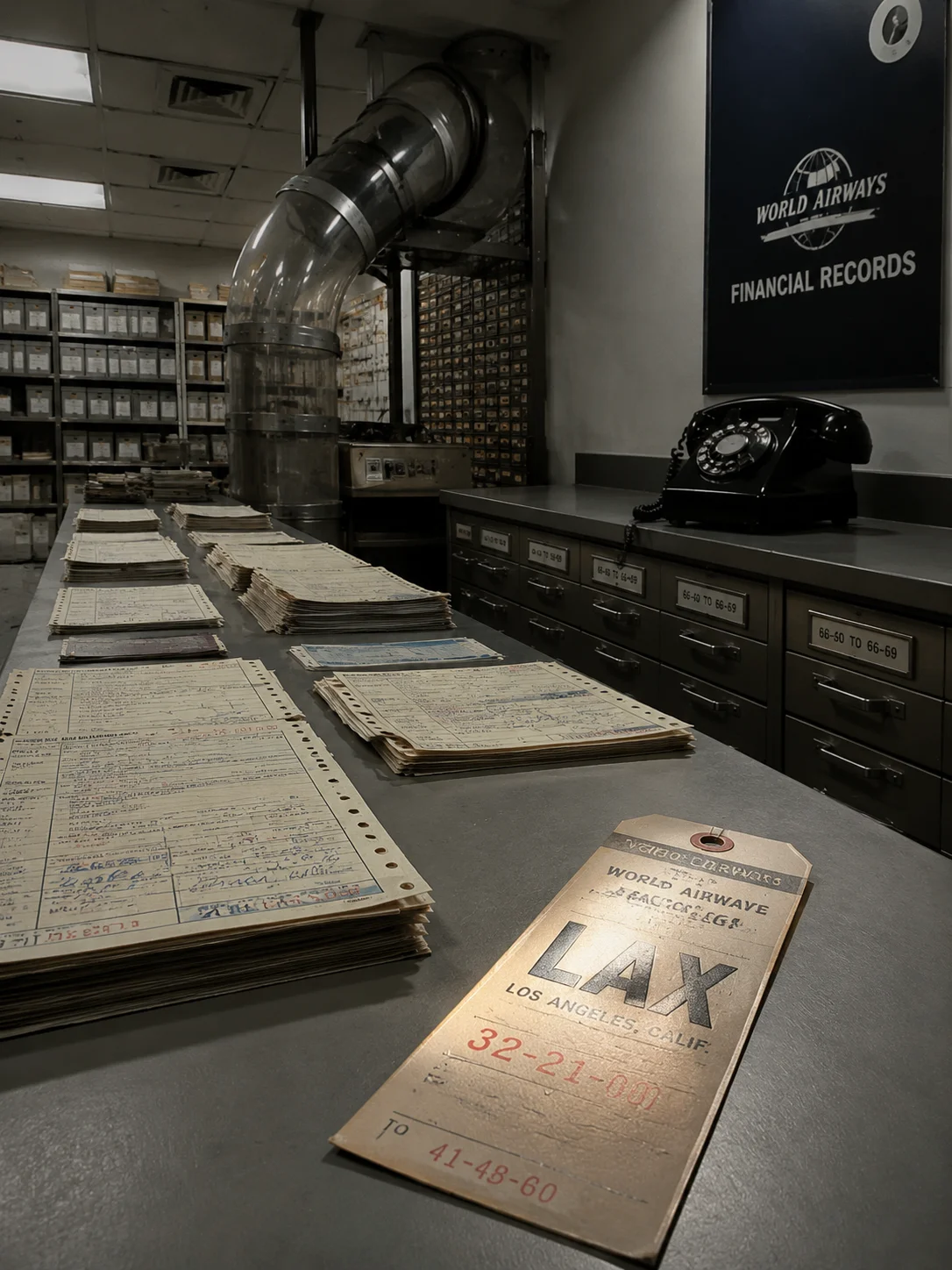
The fluorescent light of the terminal financial archive hums overhead, casting a sterile glare on the long table. Your nose catches the faint, dry scent of old paper and machine oil. The low, mechanical drone of the pneumatic tube system is a constant background vibration. Your eyes lock onto a stack of carbon-copy forms with perfectly aligned corners, a single, pressure-embossed baggage tag number glinting under the light, and the matte black receiver of a rotary-dial telephone resting on the counter.
 Crime Scene Environment
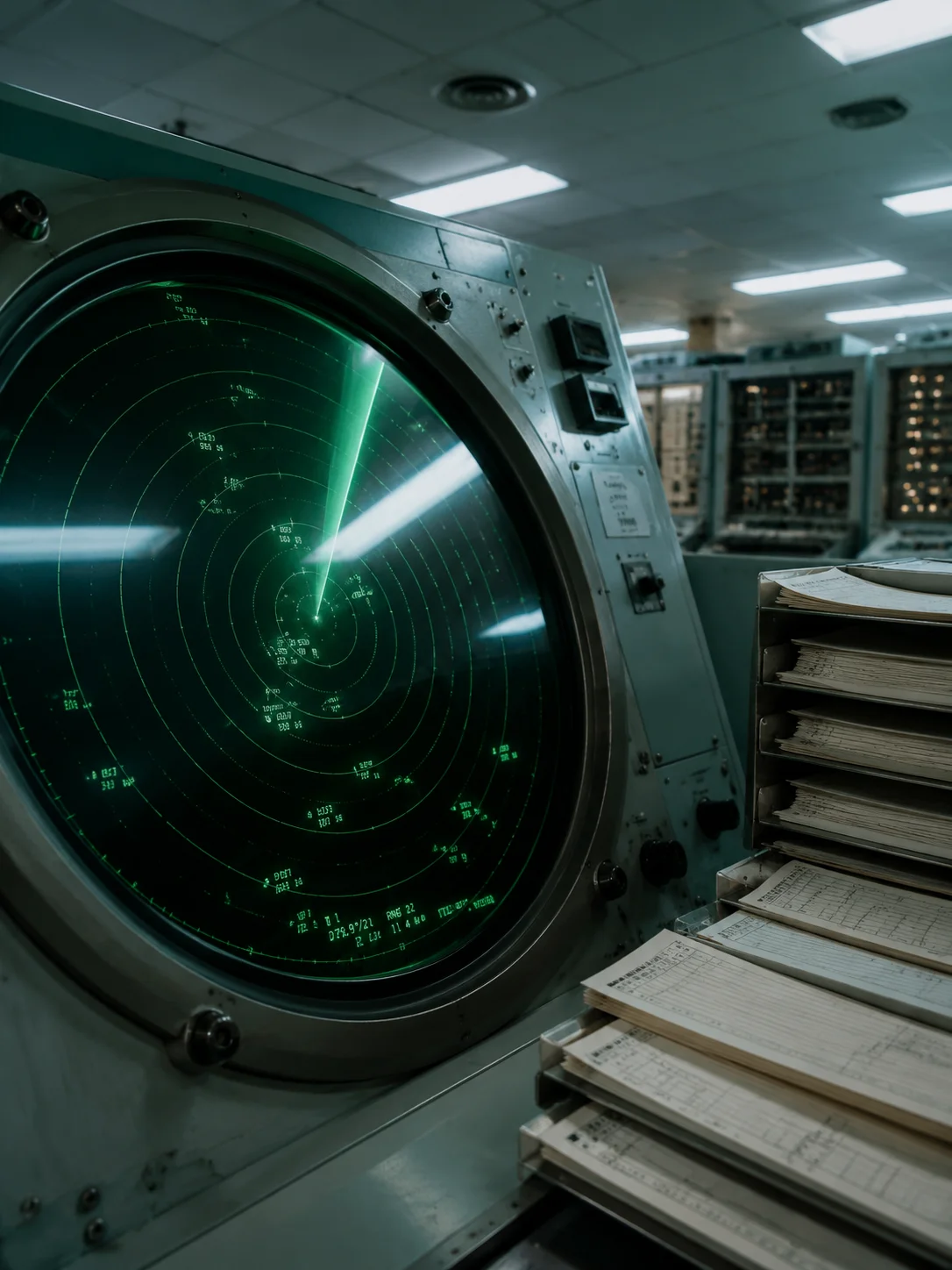
The sandbox is defined by a clinical, pressure-sealed atmosphere under a constant, humming fluorescent lighting profile. The air is cool and dry, carrying a sterile, bureaucratic quality. Acoustic density is low, dominated by the mechanical hum of file systems, the rhythmic sweep of chronometers, and the occasional, sharp click of a typewriter or stamp.
 Investigation Constraints
Analog flight data recorders (black boxes), pneumatic tube message systems between cockpit and ground control, electromechanical baggage sorting carousels with sequential tag stamps, carbon-copy flight manifests, rotary-dial secure telephones, microfilm passenger manifests, typewriter-generated crew logs, and magnetic-strip keycards for secure airport lounges.
✦ Related Cases ✦