The Systemic Anomaly
An independent forensic specialist is summoned to an urban medical facility following a patient fatality. The investigation examines a complex web of digital and physical anomalies within the hospital's clinical tracking, medication dispensing, and sample transport systems.
 Initial Crime Scene
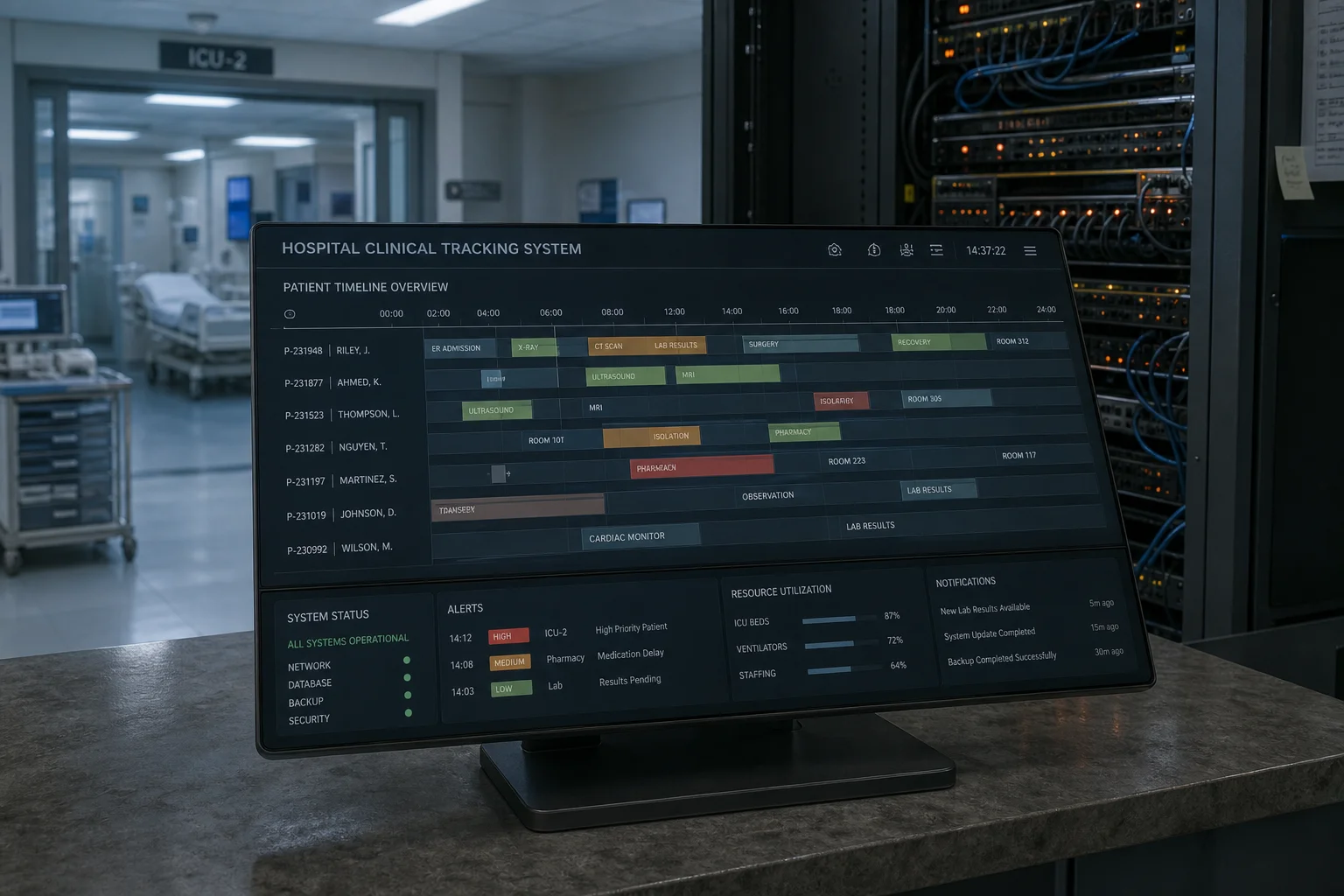
The sharp scent of ozone from overworked server fans cuts through the sterile, antiseptic air. A distant, rhythmic beep from a monitor pulses like a mechanical heartbeat. Your gaze is immediately drawn to the glowing timeline of the patient tracking board, a cascade of muted color codes against a burnished countertop. The muted hum of the ER's air circulation system is a constant, low presence.
 Crime Scene Environment
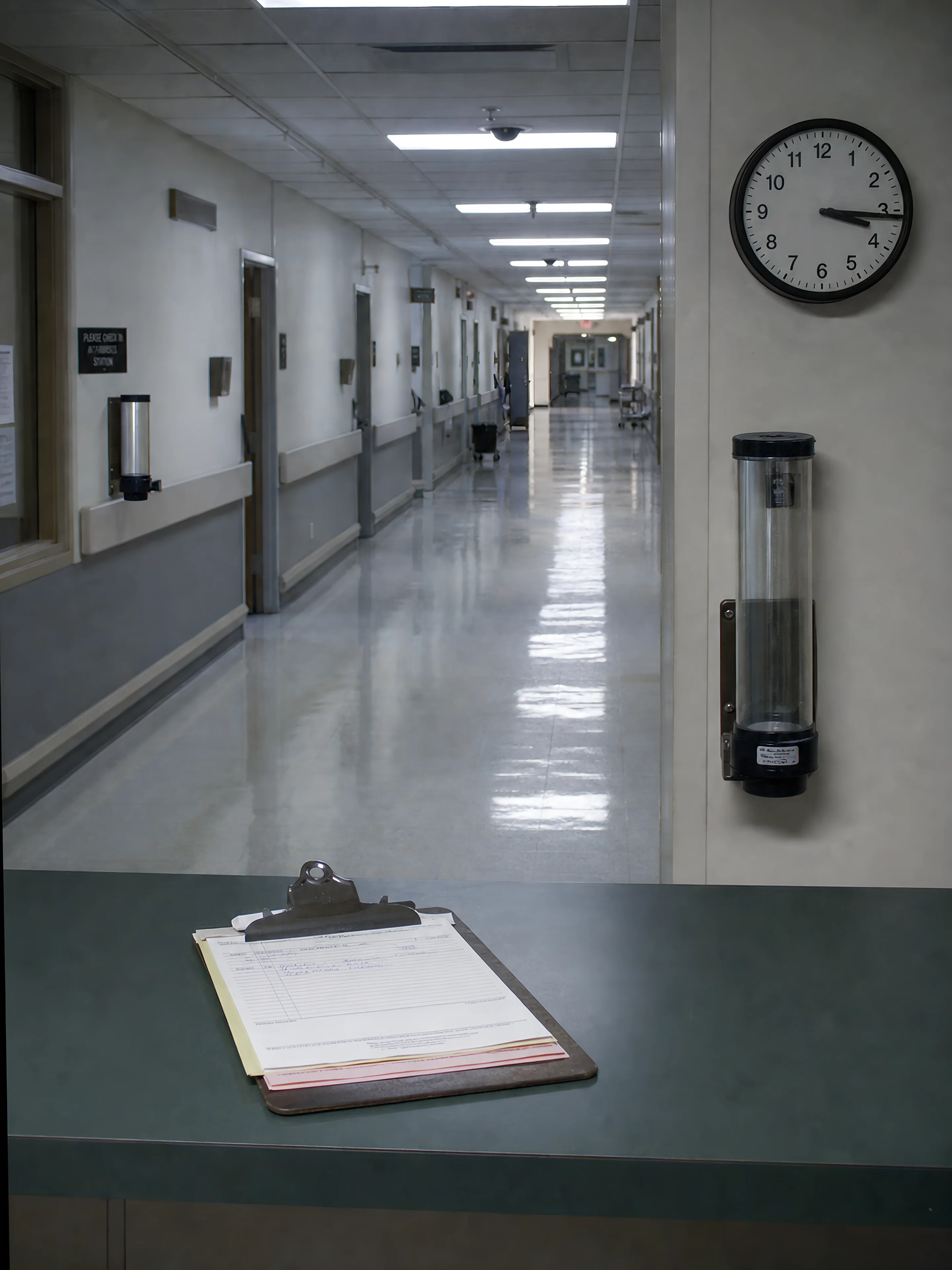
The sandbox is defined by a muted, clinical lighting profile, casting a uniform, shadowless glow on all surfaces. The air carries a constant, cool humidity with a sharp metallic tang, maintained by a sterile acoustic density where the dominant sounds are the low hum of refrigeration units, the distant beep of monitors, and the encrypted whisper of data transfers.
 Investigation Constraints
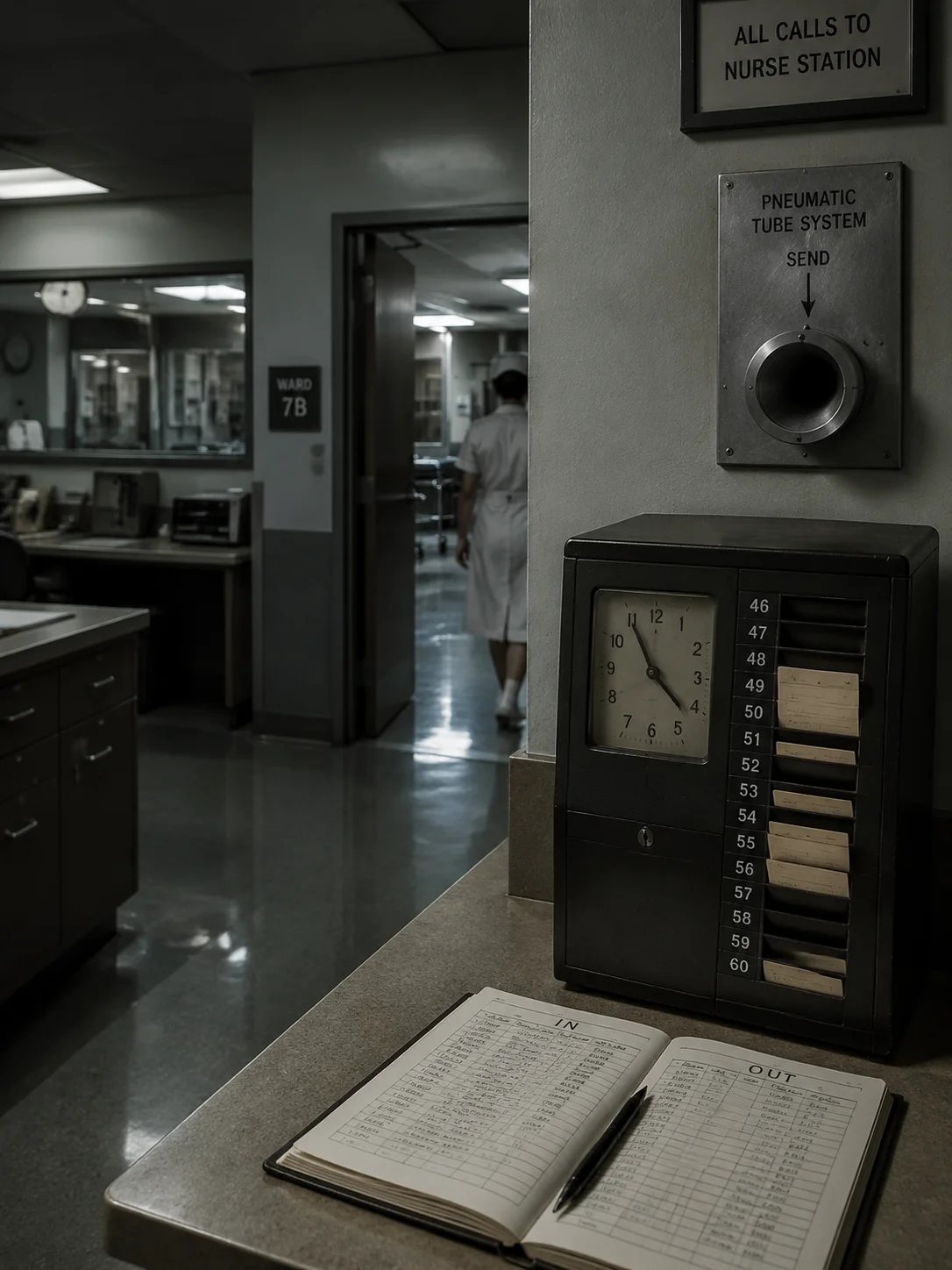
Modern urban hospital. Systems include: digital patient tracking boards (whiteboards with magnetic patient cards replaced by touch screens), electronic medical records (EMR) with audit logs, pneumatic tube systems for lab samples, medication dispensing cabinets (Pyxis) with biometric access, security camera networks with limited coverage, pagers, and landline telephones. No AI diagnostics or advanced robotics.
✦ Related Cases ✦